
Modern Gyms Are The New Clubs
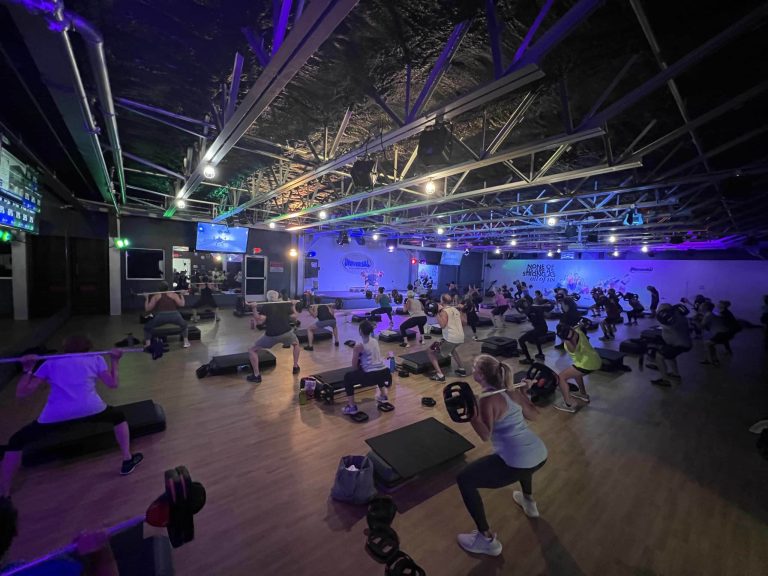
With society’s increasing focus on personal fitness, gyms have taken on the cultural significance once held by popular nightclubs. This shift is evident in the gym lifestyle, characterized by an obsession with designer fitness attire, prepared meals, supplements, subscriptions to online influencers, frequent posting of progress pictures on social media, and other time-consuming activities.
There is a dire need for society to become more fitness- and health-conscious, as unsustainable public health systems are mostly failing to educate their patients on wellness and preventive healthcare. Fitness will be key to restoring health for many.
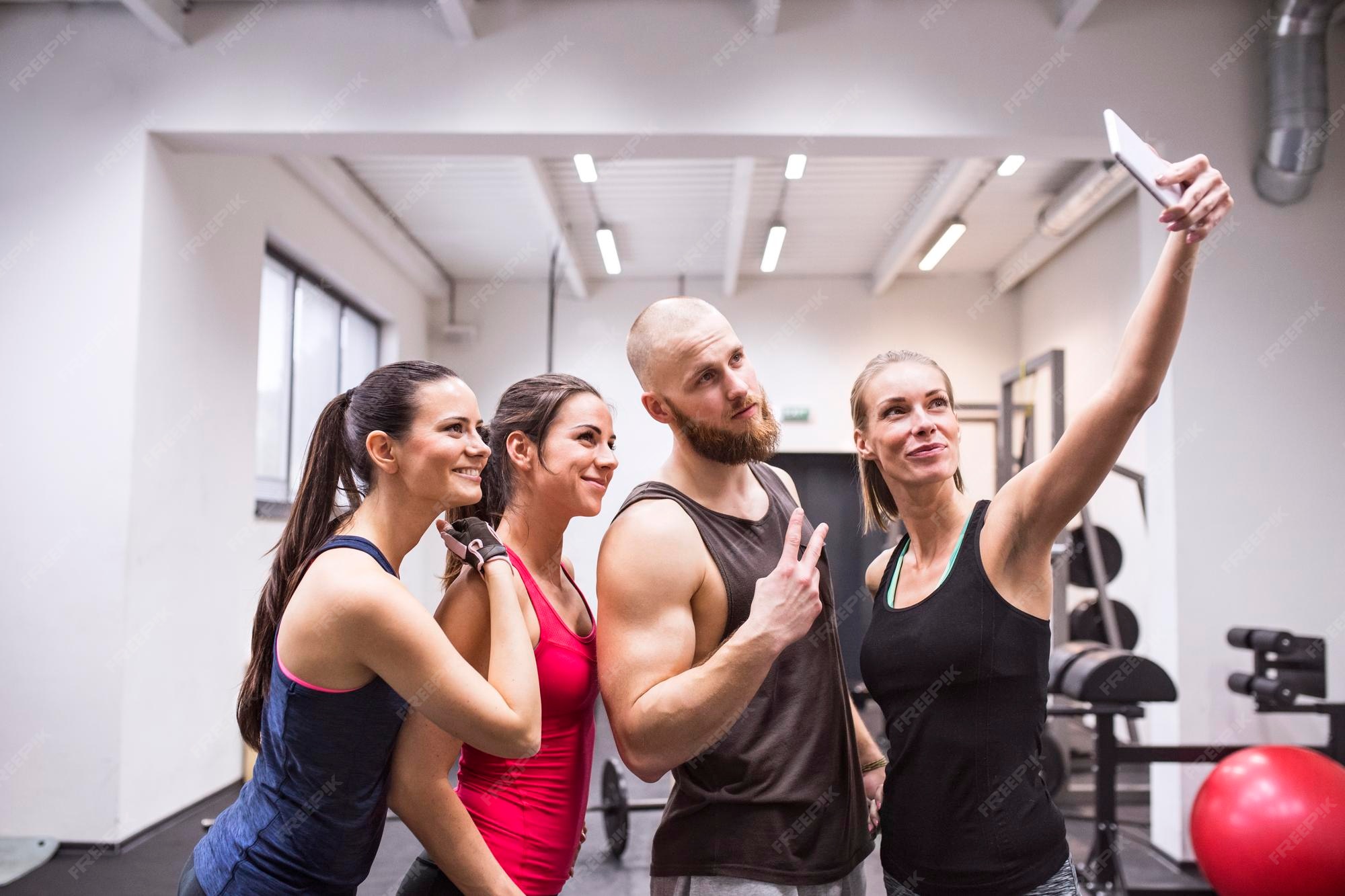
Gyms generally help clients get more focused on their fitness goals. The rising popularity of fitness with social media influencers has attracted a new demographic that sees fitness as a shortcut to fame and success. Gyms are now crowded with content creators and aspiring models taking selfies of their hard work for strangers online.
The original gyms of the 70s and 80s were mostly unattractive but helped young trainees stay laser focused on their goals and had less distractions of the typical gym of this decade (top 40 background pop music and sports media coverage on screens). Gyms of the past were also more practical in design and only to a very small niche of clientele.
Investing in gym memberships could be better spent on reliable home gym equipment, as you analyze it, and it may become a luxury standard in the near future.
Why Gyms Are Quickly Becoming Overrated
Shortly after the COVID-19 pandemic began worldwide in 2020, home workouts became a necessity for maintaining personal fitness. As people adjusted their routines, the demand for online personal trainers began to replace gym memberships, since owners found it difficult to staff trainers while complying with stricter government health and safety standards.
The Pandemic also changed individuals’ smartphone behavior, as more people relied on their phones for their livelihoods and for information from social media platforms during lockdowns. Once gyms began opening, the smartphone culture became prominent among gym members, who used their phones to record their workouts wherever they went.
This has created a ‘high surveillance’ atmosphere with gym members being recorded without consent and claims of sexual harassment rising on social media and making national television coverage.
Aspiring trainees are starting to have more anxiety because of gym bullying online that exists towards novices attempting to learn how to properly lift weights.
To avoid the hassle of overcrowded gyms with lax recording policies, some individuals will pay higher monthly fees in more luxurious or exclusive gyms.
The average gym membership these days is around $55 and includes most of the equipment needed to build a muscular, lean bodybuilder physique. Luxury gyms will start at $100 and can reach $400 with certain chains (Equinox or Lifetime Fitness). Cheaper commercial gyms range from $10 to $ 30 a month.
To have exclusive access to gym classes, certified instructors, cafes stocked with organic food, luxury amenities, Eastern medicine and aromatherapy, and physiotherapy, with more privacy, some individuals are willing to pay $4,000+ a month for this experience.
If luxurious amenities are your priority, this would be your best option, as you will have them to yourself at your gym.
Outside these two main reasons, gyms aren’t ideal for many people because the average person’s level of strength doesn’t require weight training. When challenged, the average person doesn’t have the functional strength to do 20 consecutive pushups or ONE pull-up:
Gyms are mostly beneficial for individuals who have developed strength through bodyweight exercises and have a general understanding of biomechanics for moving their bodies during exercise. Commercial gyms are not designed around this particular client.
For commercial gyms to maintain their appeal and nostalgia, gym owners should be designing gyms of the future that evoke the aesthetic of classic bodybuilder gyms in Venice Beach or Muscle Beach of the 1960s. These gyms had real equipment and were ahead of their time, being positioned outdoors in the sunlight:
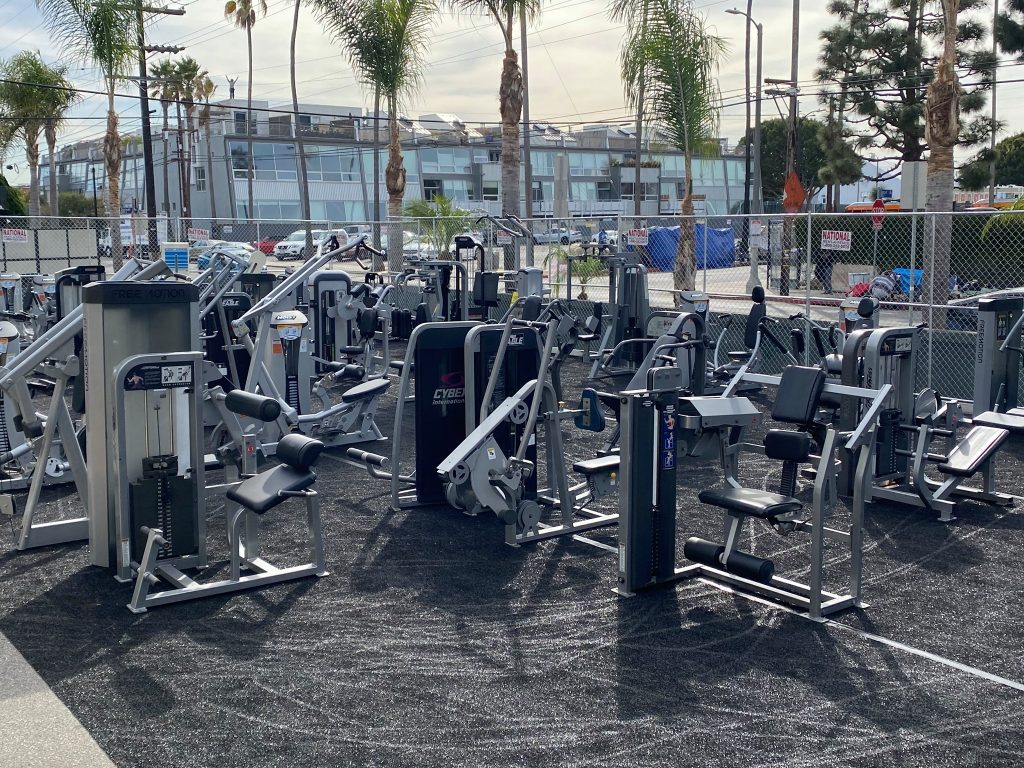

Exposure to sunlight during exercise increases vitamin D and serotonin levels, which are beneficial for testosterone and mood regulation throughout the day. Most gyms charge you to use crowded, air-conditioned indoor facilities with very small floor plans.
Solutions
The best gym you can have is one you ideally build yourself, especially one that suits your current needs.
For example, starting a strength program without any previous fitness training may only require a yoga mat and some push-up bars. After a few months, purchasing a set of dumbbells would be a wise choice to increase resistance for other bodyweight exercises.
Building a gym slowly is crucial, as it not only saves space in your home but also gives you time to see results in your physique before committing to a full set of equipment. It’s better to gauge what’s necessary based on your current living situation and fitness goals (see How to Design A Workspace for Your Home Gym).
The Wrap Up
The rise in popularity of gym culture is both good and bad, as society is acknowledging health and fitness as a standard for adults living in the 21st century. The intentions behind exercise have become more shallow and short-lived, as many are drawn to fitness culture for the attention and external rewards an outstanding physique can garner in the new online world. If this new culture isn’t something you’re accustomed to or care about, consider investing your hard-earned money in a gym you can claim for yourself and enjoy for many years to come.





One Response
Some really wonderful articles on this web site, thankyou for contribution.