
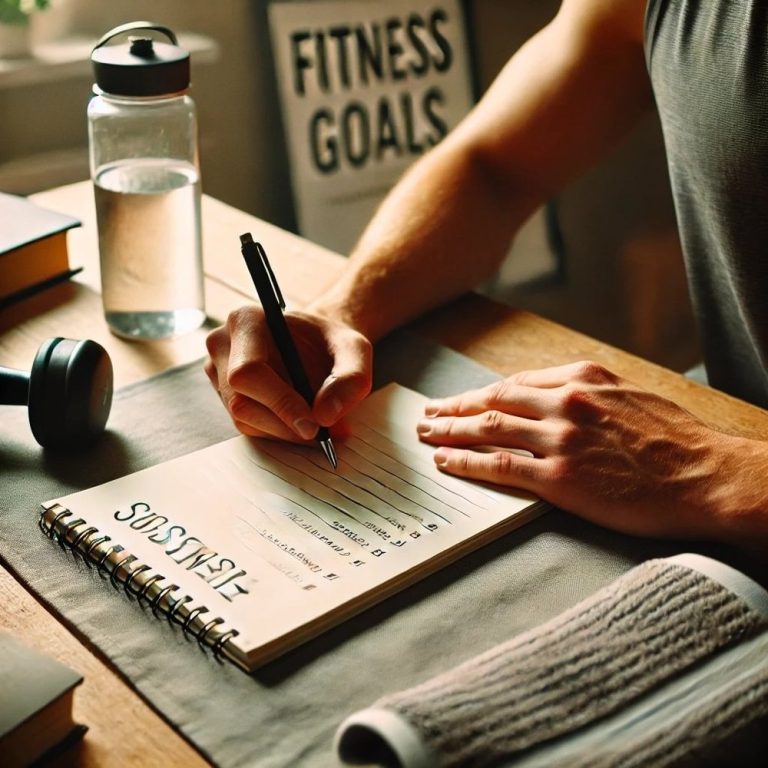
How Beginners Can Boost Energy and Confidence with Simple Well-Being Habits
For fitness beginners chasing muscle, leanness, and confidence, the hardest part often isn’t effort; it’s the well-being challenges no one warns them about. Body image struggles can make every mirror check feel like a verdict, while social media pressure turns progress into a comparison game that never ends. Add nutrition misconceptions, fear of carbs, guilt around cravings, and confusion about hunger, and even motivated beginners can swing between restriction and food addiction. The missing piece is often mental health awareness, because energy and confidence start with a steadier foundation.
Understanding Holistic Well-Being
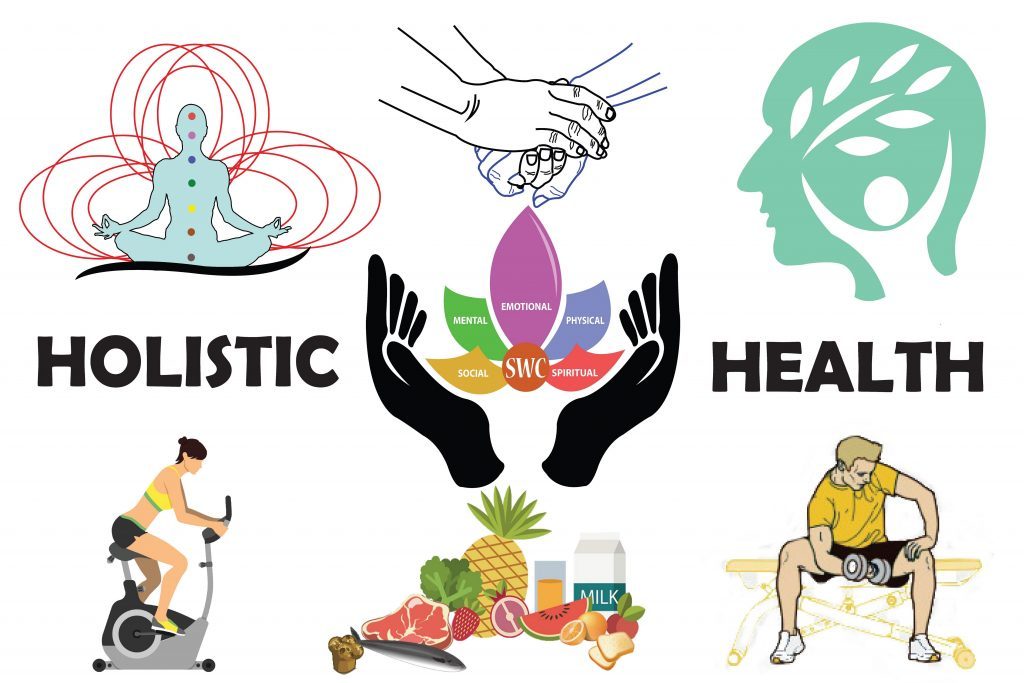
Holistic well-being means your energy and confidence come from a few connected systems working together, not one perfect workout or diet. A holistic well-being framework looks at the whole person, so training, food, and mental support all count.
This matters because many beginners think pushing themselves harder will fix everything, only to wonder why they still feel flat. When your meals are steady, and your mind is supported, workouts become lighter, and results feel more authentic. Even just getting quality sleep can completely shake up cravings, boost recovery, and elevate your mood.
Think of it like a three-legged stool: exercise builds strength, balanced nutrition fuels it, and mental health keeps you consistent. If one leg is shaky, the whole thing wobbles, even if the other two are strong.
With a strong understanding of this framework, choosing and maintaining simple, effective habits becomes much more manageable right away.
Try These 8 Quick Wins for Energy and Confidence
To gain energy and confidence, focus on holistic well-being: move, fuel, and calm your body. These wins are simple enough to start today and powerful enough to build momentum over time.
1. Do a 12-minute full-body workout: Set a timer and cycle through 8 bodyweight squats, 6 incline push-ups (hands on a bench or counter), 10 hip hinges or glute bridges, and a 20–30 second plank. Repeat as many quality rounds as possible, leaving 1–2 reps in the tank so you finish feeling stronger, not exhausted. This builds consistency and a muscle-building pattern your body responds to.
2. Hit a daily movement minimum after meals: Take a 10-minute walk after lunch or dinner, or pace during phone calls. Daily movement helps regulate mood, boost focus, and lower stress, making it easier to stick with training and nutrition. If walking isn’t possible, do 3 rounds of 20 marching steps and 10 wall push-ups.
3. Build one protein-anchored meal today: Pick one meal you already eat and add a clear protein “anchor” (aim for a palm-sized portion): eggs/egg whites, Greek yogurt, chicken, tuna, tofu, lean beef, or beans plus a grain. Protein supports muscle repair and keeps hunger steadier, which helps you avoid random snacking that drains energy.
4. Use the “1-2-3 plate” for easy nutrition: At most meals, use 1 protein, 2 fists of produce, and 3 “thumbs” of carbs/fats (like rice, potatoes, oats, olive oil, nuts). This balances your plate without calorie math and supports both physique and mood. If you lift, eat most carbs around your workout.
5. Hydrate with a trigger rule: Drink a tall glass of water when you wake and another before each main meal. Adequate hydration supports mental alertness, stable energy, and cognitive performance, which are important before training. If workouts feel flat, add a pinch of salt to one glass or include a broth or salty snack with a meal.
6. Try a 2-minute “downshift” when stress spikes: Box breathe (inhale 4 seconds, hold 4, exhale 4, hold 4) for four rounds, then relax your jaw and drop your shoulders. This quick shift helps you make better food choices and show up to workouts with more control.
7. Create a 20-minute sleep runway: Set an evening alarm and repeat these nightly: dim lights, prep gym clothes or lunch, read or stretch for 5 minutes. Better rest aids recovery, appetite control, and confidence. Many find that goodsleep habits make it easier to exercise and eat well.
8. Add one weekly “confidence hobby” session: Pick an activity that builds mastery, such as lifting technique, cooking a high-protein meal, a beginner sport, dance, or a short photography walk. Hobbies give your brain a win outside the mirror, reducing stress and boosting consistency. Keep it short: 30–60 minutes, scheduled like an appointment.
Stack two of these for the next seven days and get ready—you’ll notice the difference: more stable energy, sharper focus, and that boost of confidence that comes from keeping promises to yourself.

Habits That Build Energy and Confidence Fast
To keep these gains going, try these repeatable practices that help lock in your progress and maintain your momentum.
Motivation fluctuates, but routines help you show up for training, nutrition, and calmer eating. These habits make bodybuilding feel manageable, steady your energy, and boost confidence through small wins.
● What it is: Put shoes and a water bottle by the door before bed.
● How often: Daily.
● Why it helps: A clear cue reduces friction and increases follow-through.
● What it is: Write one improved rep, set, or technique note after lifting.
● How often: After each workout.
● Why it helps: Progress becomes visible, which boosts confidence quickly.
● What it is: Start the day with 25 to 35 grams of protein.
● How often: Most days.
● Why it helps: It steadies hunger and reduces later snack spirals.
Plan Tomorrow’s “Default Meal”
What it is: Choose one simple meal you will eat if cravings hit. Save this in a note on your phone or use a meal planning app for easy access.
● How often: Nightly.
● Why it helps: Decisions are easier when you are tired or stressed.
● What it is: Does even 10 minutes of mindfulness make a positive difference?
● How often: Daily or when cravings spike.
● Why it helps: It creates space to choose food and training calmly.
Whichever habit you choose, remember to adapt it to your family’s schedule for the best fit.
Common Beginner Questions, Answered
If you’re having doubts, remember—you’re definitely not alone!
Q: What are effective ways to manage food cravings and avoid food addiction while improving my nutrition?
A: Start by eating regular, protein-forward meals and keeping “default” snacks (fruit, yogurt, nuts) ready so cravings do not make the decision for you. If urges feel intense or out of control, take them seriously and ask a professional for support, since women are over twice as likely to develop food addiction compared to men. A simple next step is to track one belief to challenge, like “I already messed up, so I may as well keep eating.”
Q: How can I build a positive body image and overcome body dysmorphia during my fitness journey?
A: Shift your scoreboard from appearance to function: strength, energy, sleep, and mood are real wins. Limit mirror-checking and comparison-scrolling, and consider talking to a counselor if your thoughts feel consuming. Knowing millions of Americans living with body dysmorphic disorder can help reduce shame and stigma.
Q: What practical exercises and routines are best suited for beginners looking to start bodybuilding?
A: Use a simple full-body routine 2 to 3 days per week built around squats or leg press, a hinge like deadlifts or hip thrusts, a push, a pull, and a carry. Keep most sets at 6 to 12 reps, and stop 1 to 2 reps short of failure so you recover well and stay consistent. Write down one technique cue each session to build confidence with practice.
Q: How can I create a balanced daily routine that includes self-care, exercise, and healthy eating without feeling overwhelmed?
A: Choose one anchor habit for each area—a 10-minute walk, a planned meal, and a short wind-down routine. Use a “minimum day” version for busy times so you stay on track without guilt. Set a small weekly target and let it be enough.
Q: What strategies can help me stay motivated and find direction when I feel stuck in my personal well-being goals and want to learn from others’ success stories?
A: Pick one focus for 14 days, like showing up for workouts, and measure it with a simple yes or no checkmark. Be skeptical of online noise because 5% of sites scored well for accuracy and clarity in one review of weight-loss search results. For perspective, listen to a collection of motivating personal-growth stories, check out this collection of personal stories, and note one mindset you want to borrow. Small, steady actions beat perfect plans every time.
The Wrap Up
Build Energy and Confidence with One Week of Simple Habits
When motivation dips, and misinformation gets loud, it’s easy to overthink every meal, workout, and mirror moment—but you’re not alone. A positive mindset and sustainable well-being strategies, built on small, repeatable choices, help you trust your body and fuel your growth. Stick with this game plan and notice how your energy steadies, decisions get easier, and your fitness confidence shows up everywhere. Little habits, done daily, bring big wins! For the next 7 days, jump in: pick one exercise, try one nutrition change, and choose one self-care ritual to repeat each day. Consistency week by week builds real resilience, health, and long-term success.


One Response
The article is good and detailed. The site is useful and consistent.