Frustration From Lack of Sleep
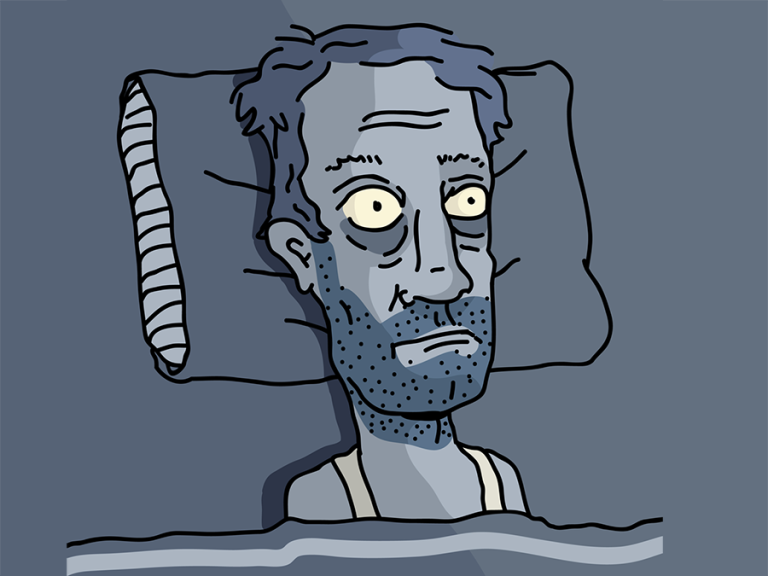
Occasionally, experiencing complete wakefulness while trying to get good rest is common among many individuals.
Poor sleep quality is common, as many millennials report feeling groggy or mentally foggy upon waking.
Why do we feel irritable and tired even after aiming for 8 hours of sleep?
Some habits may hurt your sleep quality, even if you spend enough hours in bed. These include where you sleep, when you go to bed, and what you do right before sleep.
Measuring these sleep-related habits can help you identify patterns and make more effective changes to improve your sleep quality.
Keep reading to discover actionable tips for better sleep and take control of your nightly rest.

How To Get Better Quality Sleep
As discussed, your sleep quality depends on three key areas:
Where You Sleep:
The key words here are cool, dark, and quiet. Your room should be 60 to 69 degrees, never warmer than 72. Our thermoregulators produce sweat to cool us when we’re hot.
If the room is too humid, sweat cannot evaporate, so you’ll wake up drenched. If it is too cold, you’ll shiver in your sleep, disrupting your rest.
Next, your mattress. If it’s older than 10 years, throw it out. Even the most expensive, well-designed mattresses start to sag and sink in the middle after about 7 years.
Replace pillows annually for the same reason.
Lastly, our minds form psychological associations with the spaces we inhabit. If you use your bed for activities other than sleep or sex, you may find it harder to fall asleep.
When You Sleep:
When you sleep depends on consistency. If you struggle to fall asleep late at night, it’s likely your body isn’t ready yet.
Frequent travelers know switching time zones disrupts circadian rhythm, as daylight signals when to wake.
Sleeping at inconsistent times every night disrupts your body’s usual rhythm of being alert during specific hours and at rest during others.
To avoid staying awake when you know you should sleep, try to go to bed at the same time every night.
Bad Habits Before You Sleep:
The worst bedtime habit is using electronic devices right before sleep. Because technology is pervasive, people are now accustomed to using devices throughout the day, even at bedtime.
Research has found that this isn’t the best for us, since electronic devices emit a “blue” light that reaches the back of our retinas, which can prevent the brain from entering a sleep state.
Blue light reduces melatonin in the brain, making you feel more alert when you use light-emitting devices before bed.
Certain foods and drugs can stimulate alertness in the evening when consumed. The biggest culprit is caffeine, which should be avoided at least 6 hours prior to sleep.
Alcohol is classified as a depressant by the FDA, which is why it is often mistakenly seen as a way to achieve quality sleep. In fact, alcohol is among the worst substances to consume before bed because it disrupts the brain’s natural sleep cycles.
The first phase of deep sleep, known as REM (rapid eye movement), is vital for the brain to sort and organize the previous day’s memories. This is also when hormones that repair cellular damage can be released to support recovery.
Drinking alcohol in the evening can induce sleep; however, alcohol triggers the release of cortisol, a hormone produced during fight-or-flight responses. When cortisol is released, REM sleep is disrupted, leaving you feeling unrested by morning.
Other poor habits include late-night eating. This often stems from insufficient calorie or macro intake during the day or from overcoming a food addiction (see Top 6 Signs You Might Have A Food Addiction).
Avoid large evening meals, as they can cause indigestion, cramps, or insomnia.
The Wrap Up
Your sleep habits, bedroom environment, and lifestyle significantly impact your sleep. To improve sleep quality, review neglected areas yourself or with a sleep specialist. If you experience ongoing insomnia, a sleep therapist may identify the underlying causes.
What else do you want to know?
Why Sleep Is Important for Training
How Alcohol Affects Your Sleep
Why We Should Be Aiming For 8 Hours of Sleep