Desire For Pleasurable Foods
With the wide variety of foods available to the public at a moment’s notice, it’s not surprising that the average consumer becomes addicted to the products they consume. The standard diet promotes eating 3 or more times a day, which can become habit-forming when overdone. To break this pattern, take control of what and how often you eat.
The masses tend to have a compulsion to eat certain foods more than others, which starts to mirror the tendencies of an addiction (see Top 6 Signs You May Have a Food Addiction). Addictive foods aren’t bad because of what they are, but because of what they’re made of: often an insidious mix of sugars, salts, and fats.
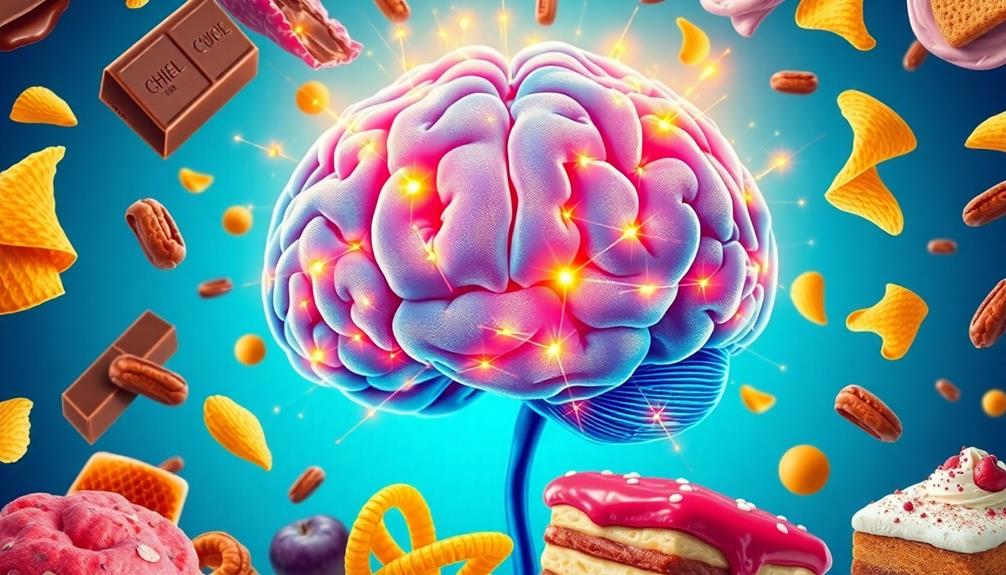
These are better known as palatable foods, and these addictive foods tend to stimulate regions of the brain responsible for pleasure and satisfaction. When the brain fires off positive signals in response to food, it creates a feedback loop that drives the search for more of that food.
Moderating these foods is key, but it’s often easier said than done, given how our brains are wired. Instead of relying on moderation and willpower, it’s more effective to replace the most pleasurable foods with foods that provide the same taste and/or satiety response.
Feeling satisfaction and overall enjoyment from food is key to making healthier eating a normal part of a sustainable, long-lasting lifestyle.
The Most Addictive Foods to Give Up
The foods that are hardest to give up on a diet are often the ones you crave most, and most of them are bad for your health in more ways than one. Instead of reaching for a bowl of carrot sticks and hummus, you might reach for a snack with more salt or fat to keep your mind and stomach satisfied.
These foods that you crave are the ones marketed to consumers the most, and the average person doesn’t have control over the content that they consume daily from marketers. Watching a television program can cue dozens of images of food that never would have reached audiences were they not watching them (see Why You Experience Hunger During The Day)
These are some of the most familiar culprits of food that most have a challenge moderating in their diet:
Cookies

Cookies are a guilty pleasure because of the wide variety of types and flavors, and they’re also the best dessert to eat on the go. Cookies can be quite addictive because they’re usually small and contain high amounts of sugar in the small servings in a typical batch. The high sugar content comes from the refined flour, which breaks down into glucose very quickly in the bloodstream (refined flour has a higher glycemic index than table sugar).
Store-bought cookies often use high-fructose corn syrup to extend shelf life because it’s sweeter, cheaper, and more addictive than regular table sugar. High-fructose corn syrup drives hunger more than other addictive signals in the brain (see Why High Fructose Corn Syrup Is Just As Bad As Sugar). They also contain a decent amount of refined fats that aren’t naturally produced, as with many other store-brand cookies.
Chocolate

Chocolate contains fat, sugar, and compounds in the cacao product that trigger deep cravings when your sweet tooth calls. Chocolate is also considered an emotional food as it can affect mood throughout the day. It’s harder to resist chocolate because of its high sugar and polyphenol (antioxidant) content, which can boost mood.
To avoid bingeing on large amounts of unhealthy chocolate, it’s wise to avoid milk chocolate, as it contains most of the sugar-laden ingredients. Higher amounts of cacao (70% and above) have more of the good properties of cacao and less of the unnecessary sugar. Darker chocolate has higher amounts of fiber, copper, manganese, iron, and magnesium.
Chips
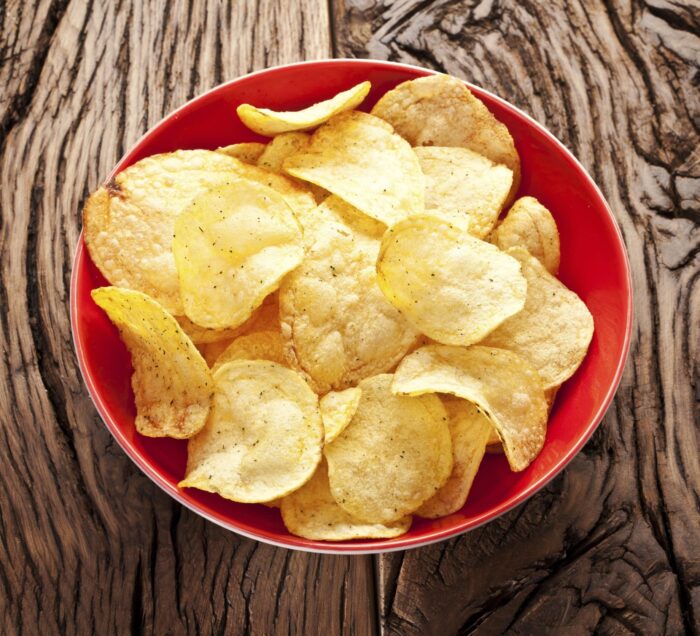
Unlike other snack foods that keep you full for long periods, chips stimulate pleasure differently. Refined fats, salt, and starch enhance a chip’s taste, making each crunch better than the last. The potato or starch texture creates a strong mouthfeel and reaches the brain’s pleasure center. Salt is what truly makes chips addictive, as the brain prefers it as a survival signal.
The body loses large amounts of salt when perspiring and needs to replenish sodium from the diet. Because salt was essentialto our ancestors’ survival and was used to preserve food for a long shelf life, chips are among the most addictive foods on the market. Chips can be much more enjoyable to eat than whole-food sources, such as boiled potatoes, which do not trigger cravings as strongly as Lay’s Potato Chips.
Ice Cream

Ice cream has all the palatability of cookies, with the added reward of its texture. Eating ice cream provides satisfaction from its high fat content, which gives the dessert a smooth texture. The fat also prolongs the dopamine reward signal, meaning the brain’s pleasure sensors are stimulated for longer. Store-bought ice cream can be dangerous, whereas ice cream from a parlor is less risky, because it’s tempting to eat larger servings from your freezer.
Pizza
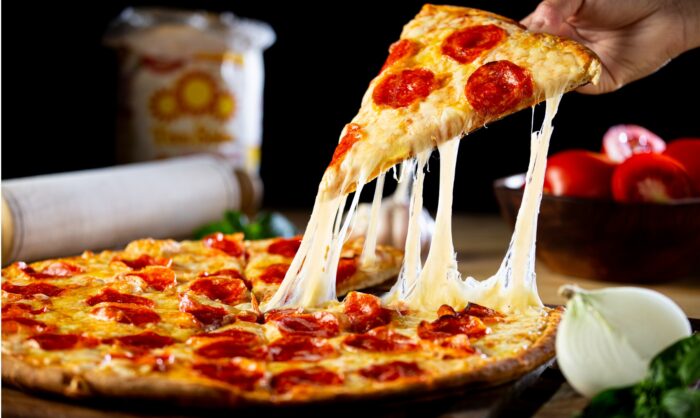
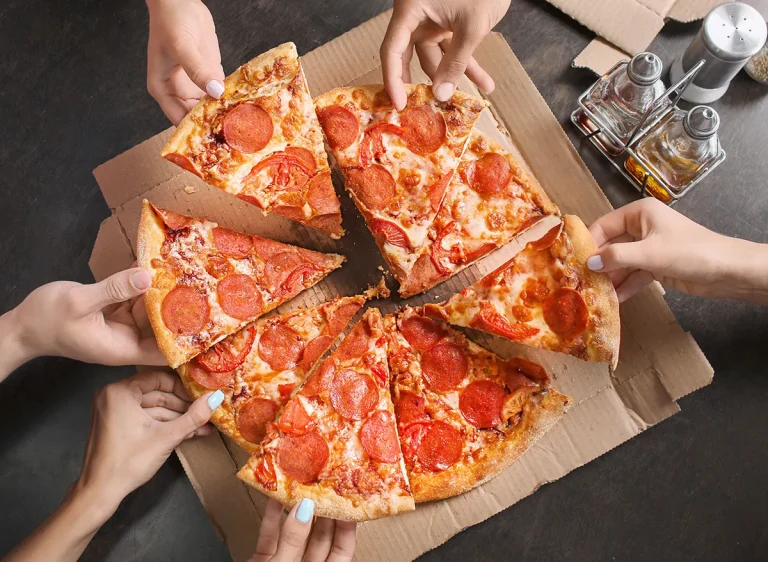
One of the staples of Western culture is pizza. Pizza contains hidden amounts of sugar in the tomato sauce and in the dough from all the refined flour. The thick layer of cheese makes the food extra fatty and adds more sodium, enhancing the flavor of the other ingredients.
Unlike other addictive foods, pizza has almost no soluble fiber (unless you add toppings). While it’s extra high in calories from saturated fat, it offers very little satiety and doesn’t keep you full, even in smaller portions. For the calories you ate, you could have had a couple of regular meals with more nutritional value.
Food companies want the public to consume all of these highly processed foods for one simple reason: profit. The more often people buy these cheaply produced foods, the more revenue these large corporations generate.
Big Tobacco Involvement With Food Conglomerates
By the 1950s, it became well known that cigarettes were highly addictive and were linked to cancer thanks to the Surgeon General and several other health researchers. Articles were written about the long-term effects of cigarettes, and the public started to acknowledge that this product was hazardous to their health.
After the Surgeon General’s report in the 1960s, tobacco sales began to decline around the mid-1970s, and Big Tobacco companies like Philip Morris and RJ Reynolds grew worried about shrinking profit margins as consumer demand fell.
Tobacco companies played defense and released propaganda claiming their products were not harmful to health. These companies then pivoted into the food industry by purchasing large food corporations to entice a new generation of customers.
RJ Reynolds purchased canned food companies like Del Monte and Nabisco, and Philip Morris bought Kraft and General Foods during the mid-to-late eighties for billions of dollars. With the United States population consuming 70% of its food from processed sources, a new large market opened up for them.
Big Tobacco eventually decided to chemically engineer these foods to elicit cravings and light up the reward centers of the brain, similar to the products they were selling to people with an addiction to cigarettes. This was done with the help of food scientists, also known as flavorists, who classified new ingredients as safe with the label ‘generally recognized as safe’ (GRAS for short).
With the help of food scientists, the food conglomerates were able to produce highly palatable foods, or foods with a specific mix of ingredients that were more enticing to consume than any single natural ingredient. This is why it’s easier to eat fewer servings of natural foods than highly processed foods sold in stores.
When studies examined the effects of food companies that Big Tobacco purchased, they found these foods were much more palatable than foods from corporations not bought by tobacco giants. Today, these companies have rebranded and sold off parts of their businesses to remain in the food industry and avoid the stigma of their reputation as cigarette producers.
How to Stop Addictive Foods
Moderation is key to controlling how much you eat; however, it can only slow compulsive eating so much. The best strategy for smarter food choices is to replace foods that trigger strong cravings with satisfying, flavorful options.
A bad dieting strategy is eating a bunch of foods that you don’t like to get results that will only make you feel good temporarily. Swapping bad foods for good ones can be a slow progression toward foods you can enjoy eating regularly.
The main reason the foods on the list mentioned earlier can lead to overeating is that they lack a key component: fiber. Without fiber, food doesn’t keep you satisfied, and hunger comes back sooner rather than later.
Fiber is crucial for gut health, as the bacteria in your gut (known as the microbiome) use it as an energy source to function and support the body. Good bacteria in the gut release chemical signals to the brain, producing healthy effects throughout the body.
They also keep the body’s defense system strong and prevent harmful bacteria from overgrowing and damaging the stomach and digestive lining (known as SIBO, or small intestinal bacterial overgrowth).
The following list of foods has some of the highest amounts of fiber and can be substituted for some of your favorite snacks and treats present in your diet:
Legumes
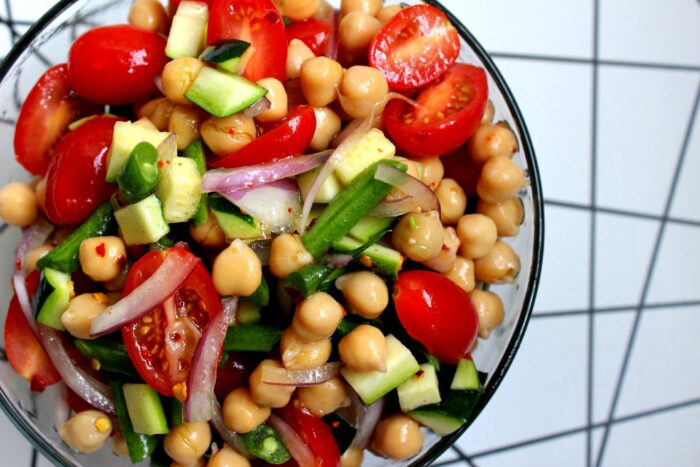
Legumes contain both insoluble and soluble fiber, which supports the good bacteria in the gut. Good legumes to add to meals include chickpeas (salads or soups), kidney beans (chili), and pigeon peas (with rice).
Onions/Garlic
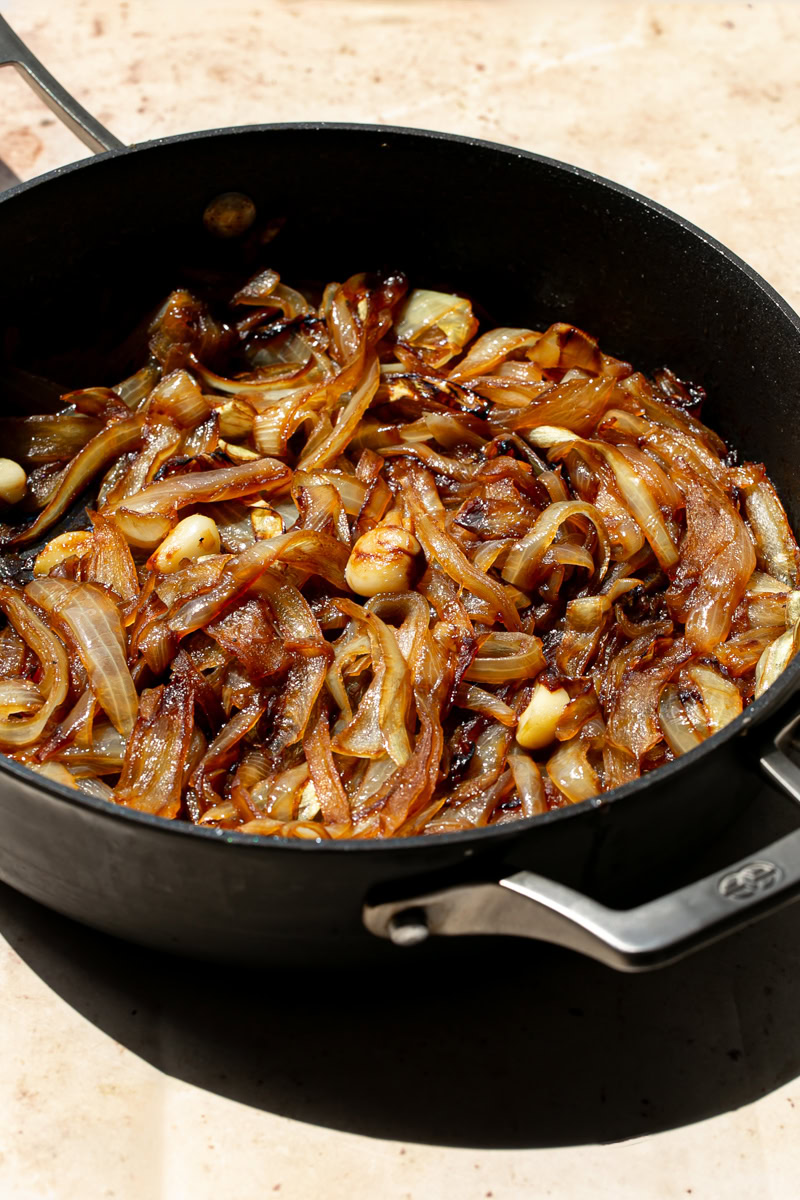
Onions and garlic contain significant amounts of fiber and dramatically change a meal’s flavor profile. These vegetables contain short-chain fatty acids that can reduce inflammation due to their high fiber content.
Kimchi/Sauerkraut

Kimchi is a staple Korean side dish that’s made with fermented cabbage or radishes with spices. Fermented vegetables offer the benefit of added probiotic bacteria, which introduce large amounts of good bacteria through the food you eat. Sauerkraut has the same effect and is great as an addition to high-protein meals such as steak or bratwurst to enhance the flavor profile.
Popcorn
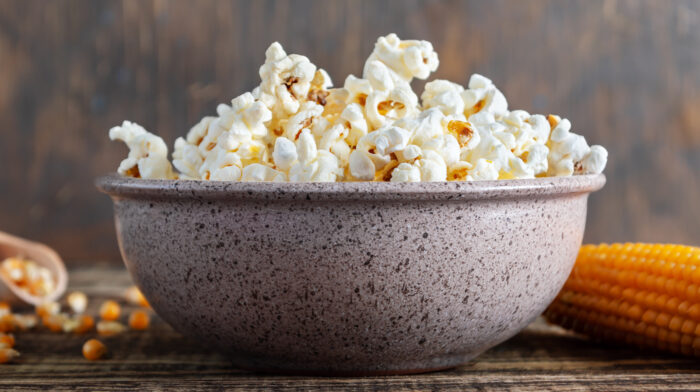
Popcorn is a great post-meal addition when you’re craving a salty, crunchy snack. It’s less healthy only when you add additives such as excess fat, salt, sugar, or artificial flavorings. Popcorn is a great substitute for potato chips because it’s more satiating thanks to its higher fiber content per serving.
Green Bananas
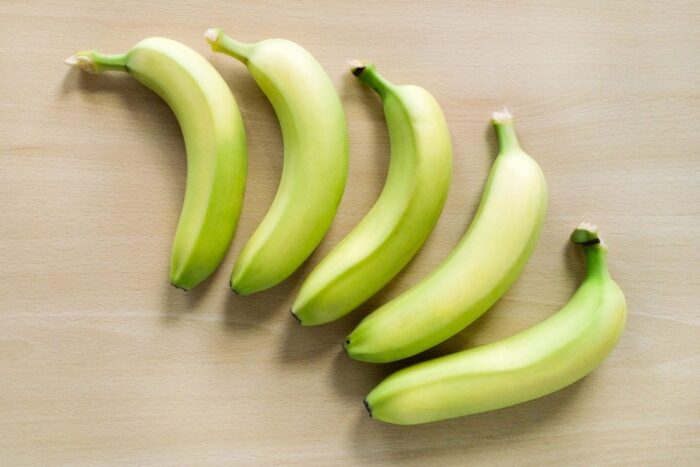
Green bananas don’t taste as appealing as yellow bananas because most of the resistant starch hasn’t converted to sugar yet. However, adding a green banana or two once a week can provide enough fiber to reduce cravings for palatable foods over time. Green bananas have 3 times as much fiber as ripe bananas, which helps gut bacteria signal greater fullness to the brain.
The Wrap Up
A majority of addictive foods are not addictive because of what they are, but because of how and what they are made with. When food lacks natural ingredients, artificial chemicals do not produce satiety for long, leading to overeating. To address food overconsumption, add certain high-fiber foods to the diet and eventually replace the hyperpalatable foods that have become a habit over time.