Preparing Meals With A Purpose
For home cooks juggling busy schedules and big health goals, the hardest part of eating well often isn’t motivation; it’s the daily friction that builds up around meal prep, snacking, and cleanup.
When a kitchen layout makes fresh food hard to see, tools hard to reach, or cooking a chore, those nutrition and wellness challenges quietly steer decisions toward whatever is fastest. The impact of a kitchen renovation goes beyond style, as a space designed for a healthy lifestyle can make better choices feel natural and repeatable.
Over time, those small, easier decisions can add up to long-term health benefits.
Understanding Health-Focused Kitchen Design
Health-focused kitchen design means arranging your space so the healthy choice is also the easy choice. Kitchen layout design, appliance selection, storage solutions, and material choices should work as a single system, not as separate upgrades. A kitchen should be functional so that daily cooking habits feel simpler, not more demanding.
This matters because most of us don’t fail at healthy eating; we get slowed down by tiny hassles. When tools are within reach and ingredients are visible, you spend less time searching and more time cooking. That lowers decision fatigue and makes balanced meals more likely on busy nights.
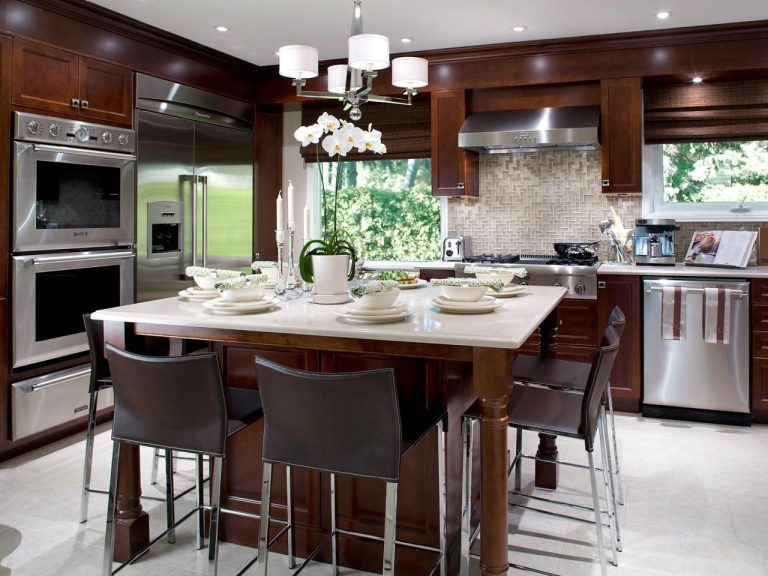
Picture a weeknight when you’re tired and hungry. A multifunctional kitchen island becomes your one-stop spot for rinsing produce, chopping, and plating. With clutter contained and cleanup faster, cooking feels doable again. A smarter sink setup can remove even more friction from prep, rinsing, and reset routines.
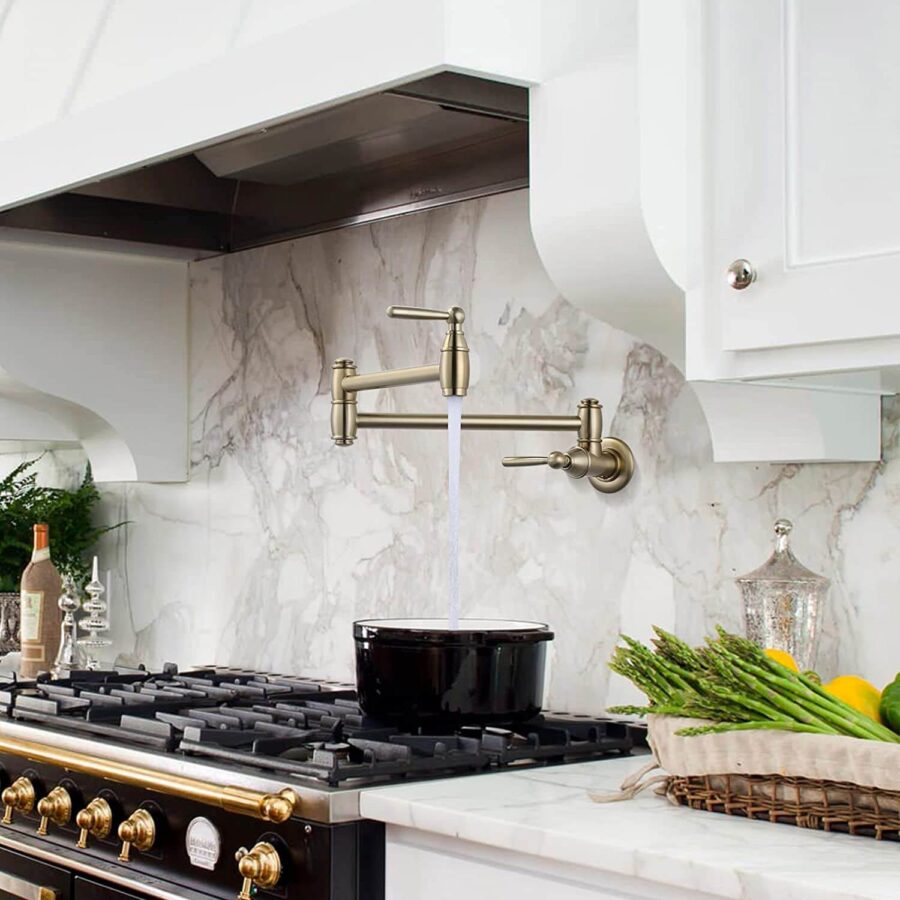
Upgrade Your Sink Area to Speed Prep and Simplify Cleanup
When your kitchen is designed to support healthier choices, the fastest wins often come from reducing everyday friction where you work the most, right at the sink. A high-efficiency sink with a pull-down sprayer can make washing produce, rinsing grains, and quick-cleaning cutting boards far easier, so fresh prep feels less like a chore.
Adding a pot filler lets you fill large pots right where you cook, reducing heavy lifting and extra trips back and forth that can sap motivation on busy nights. And upgrading to a water filtration system makes it easier to access clean-tasting water for cooking and drinking, supporting healthier habits you’ll actually keep.
Because these upgrades touch your home’s plumbing and get used multiple times a day, it’s worth sourcing professional-grade parts from a reputable supplier. Quality fittings and fixtures can make the difference between a smooth remodel and nagging repairs. If you’re comparing options, have a read about plumbing supplies to help you understand what to look for as you plan.
Use This Kitchen Health Upgrade Checklist
A healthy kitchen isn’t about perfection; it’s about removing the little daily “frictions” that make cooking feel hard. Use this checklist to guide renovation choices that support easier prep, smarter storage, and better food habits for the long haul.
1. Map your real-life workflow first: Spend a few busy days paying attention to where you get stuck, crowded corners, awkward drawer placement, or the “where do I set this down?” moments. The idea behind bottlenecks and inefficient workflows is simple: if your kitchen forces extra steps, you’ll cook less. Once you’ve seen the pattern, place the prep zone between the fridge and sink, with a clear landing spot for groceries and a dedicated space for rinsing and chopping.
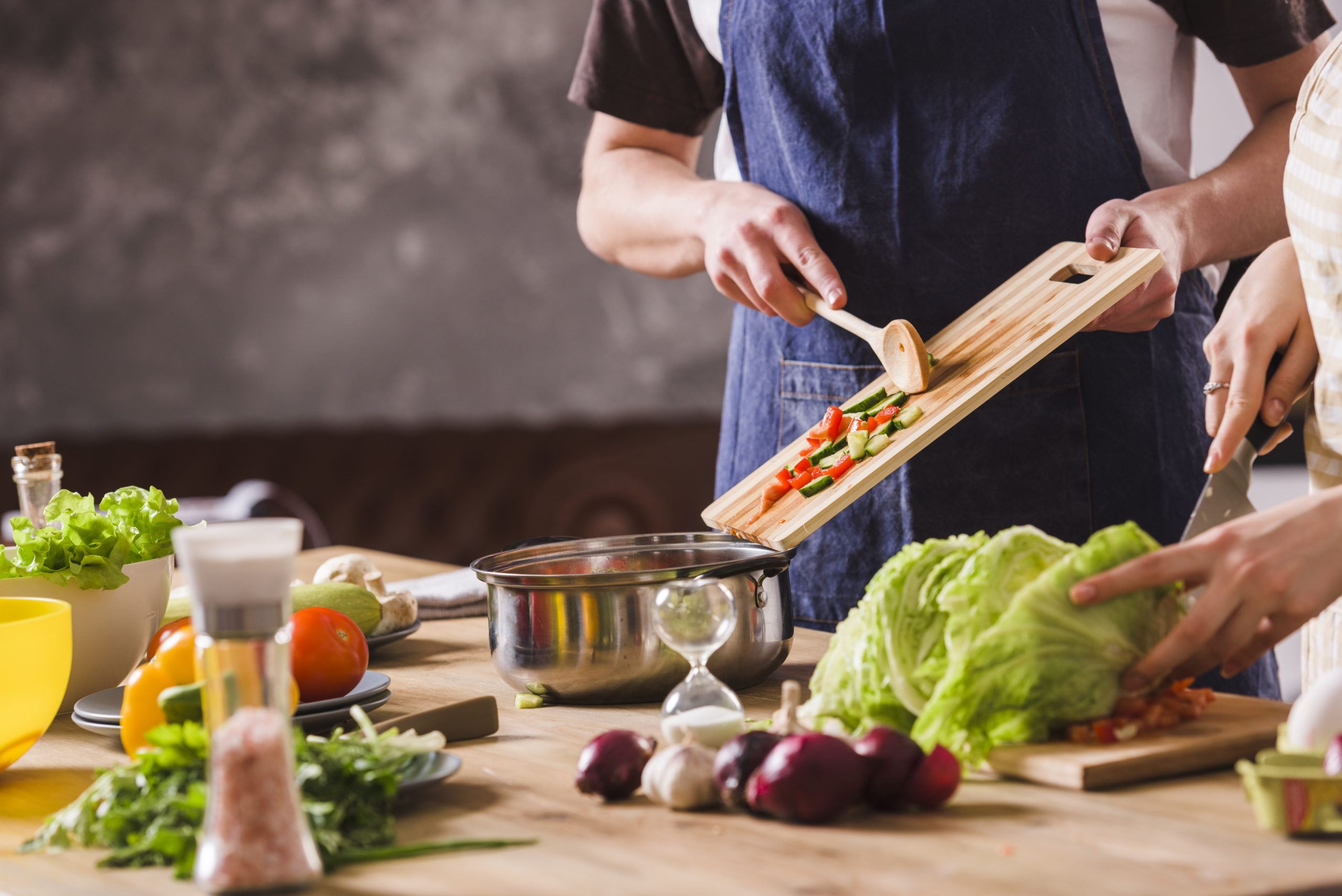
2. Build an ergonomic prep station around your sink upgrade: If you’re improving the sink area, make it the command center: add 18–24 inches of open counter on at least one side for washing and chopping, and keep knives, cutting boards, and mixing bowls in the nearest drawer. Choose a pull-out trash/recycling bin within one step of the sink so scraps disappear quickly (and cleanup doesn’t derail dinner). A stool or slim anti-fatigue mat can also help if you prep for longer stretches.
3. Create “healthy defaults” in your layout: Put everyday nutritious items where your hands naturally go: fruit bowl on the counter, whole grains and canned beans in the easiest cabinet, and your go-to pan on a low-access shelf. Reserve the highest or hardest-to-reach spots for occasional gadgets and treats. This is less about willpower and more about making the better choice, the fastest choice.
4. Upgrade to energy-efficient appliances that support cooking at home: When replacing appliances, prioritize ones that help you cook simply, reliable burners, an oven that holds temperature well, and a fridge with consistent cooling. The stat that energy-efficienthome appliances can reduce home energy use by 30% is a nice bonus, but the daily win is that efficient, dependable appliances make weeknight cooking feel easier and more predictable.
5. Set up organized food storage with clear zones: Use “first in, first out” zones: a front-and-center bin in the fridge for foods that expire soon, a dedicated shelf for leftovers, and a snack drawer for grab-and-go items. In the pantry, store cooking basics at eye level, then group by use (breakfast, lunch, dinner) so meal building is fast. Label just a few high-impact containers, flour, rice, and nuts, so you stop buying duplicates.
6. Choose natural, low-fuss materials where it counts: Aim for surfaces that are durable, easy to sanitize, and pleasant to use daily, especially near the sink and prep area. A smooth, non-porous counter and backsplash reduce places for grime to hide, while solid hardware and cabinet finishes hold up to frequent wiping. If you’re torn between looks and practicality, prioritize functionality in the zones where you chop, wash, and store food.
7. Design for food preservation techniques (not just cooking): Add one “preservation shelf” near the fridge: jars/containers, labels, a marker, and a small tray for cooling foods before storing. If you freeze often, dedicate a freezer basket for pre-portioned proteins and chopped veggies so you can assemble meals quickly. If you’re into canning or fermenting, plan a heat-safe landing area near the sink for washing jars and a dark cabinet spot for storing finished goods.
Healthy Kitchen Design Questions, Answered
Q: What’s the simplest renovation change that supports healthier eating?
A: Improve your main prep surface before anything else: add bright task lighting and keep 2 to 3 feet of clear counter near the sink or cooktop. Then store knives, cutting boards, and mixing tools in the closest drawer. When prep feels fast, you cook more often.
Q: How can I design for nutrition without buying all new appliances?
A: Keep what works and focus on placement and access. Put a fruit bowl where you naturally drop keys or mail, and move whole grains and proteins to the easiest shelf. Even small changes in visibility can shift what you reach for first.
Q: Can a “healthy kitchen” still include treats?
A: Yes, the goal is balance, not banning foods. One practical guideline is that healthy people should limit added sugar to 6 teaspoons for women and 9 teaspoons for men per day. Use higher cabinets or opaque containers for sweets to keep them intact.
Q: Should I expand my kitchen to make it healthier?
A: Not necessarily, since better flow can outperform more square footage. Still, it helps to know NKBA professionals expect kitchen footprints to grow as families prioritize function. If you cannot expand, widen aisles, and add a dedicated landing spot for groceries.
Q: When should I prioritize storage over style during a remodel?
A: Prioritize storage anytime clutter is blocking your counters and making cooking feel like a chore. Add deep drawers for cookware and a labeled pantry zone for grab-and-go staples. You can always upgrade finishes later, but daily ease pays you back immediately.
The Wrap Up: Turn Kitchen Design Into Daily Healthy Habits That Stick
It’s easy to want healthier meals while living with a kitchen that makes the best choice the hardest choice. A motivating kitchen design starts with a simple mindset: treat the space as a sustainable wellness strategy, where health-focused remodeling supports the routines already happening every day. When the layout, lighting, and storage align with how meals are made, long-term kitchen benefits follow: less friction, more follow-through, and a positive lifestyle change that feels doable. Design the environment, and the habit gets easier. Choose one change you can commit to now, one upgrade that removes a daily barrier and reinforces the behaviors you want. That small decision builds steadier energy, resilience, and connection around food for years to come.