Commercial Gyms Becoming Obsolete
Regular exercise as a hobby should be convenient, affordable, and motivating, which may be why home gyms are becoming more popular than training at local commercial gyms.
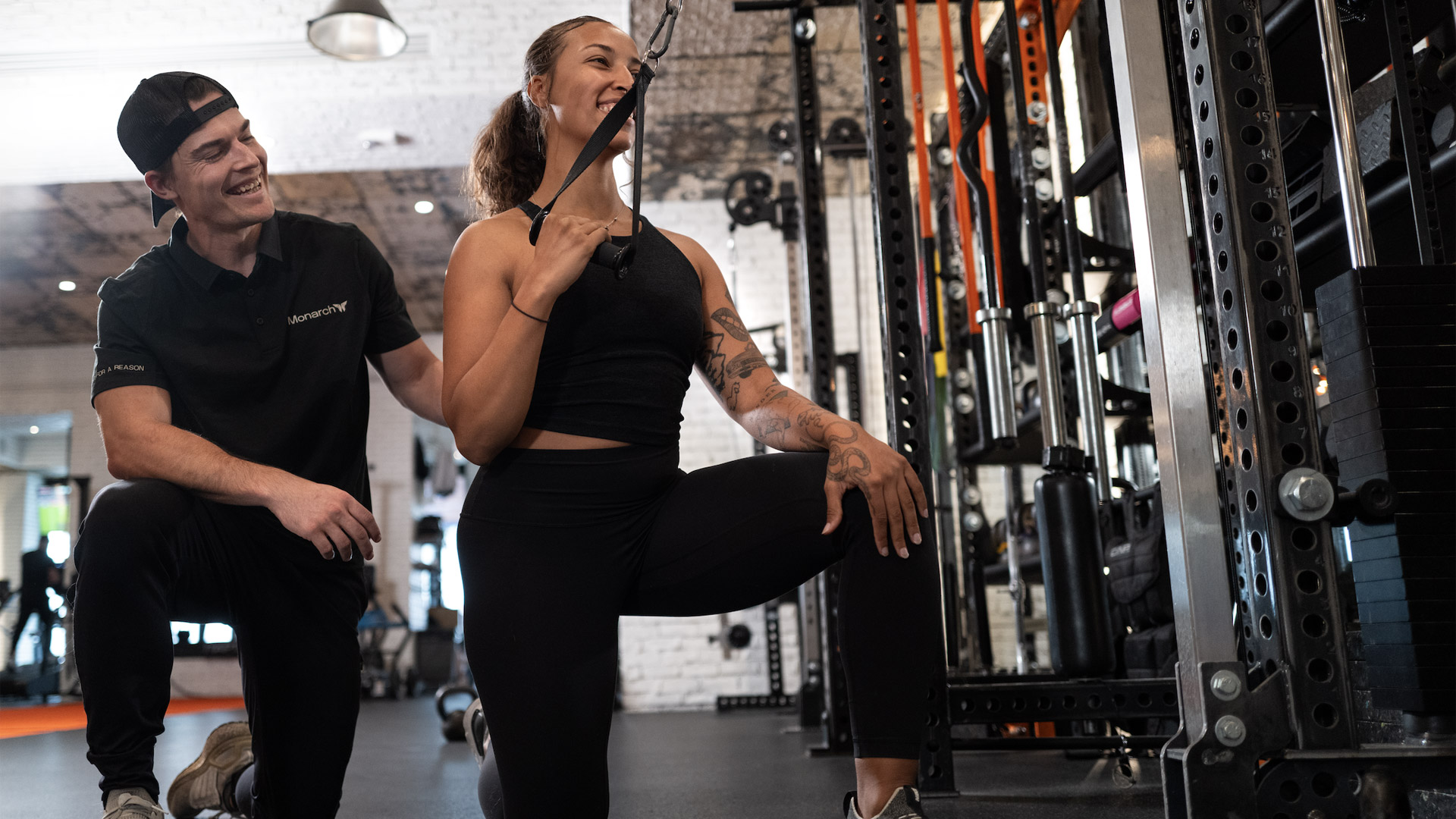
While some people benefit from accomplishing their fitness goals with more human interaction, many are deterred from regularly using gyms due to the frequently changing rules and regulations.
Fitting time in your schedule to work out usually involves getting to the gym at peak times when it’s least convenient. Sharing gym equipment in a facility at full capacity is challenging enough, especially for longer training sessions.
Fitness enthusiasts get accustomed to the minor inconveniences of training at a commercial gym when weighing the costs of setting up a home gym. The second factor in hesitation is the need for a large space for equipment.
It’s very easy to write off home gyms as a luxury when considering these constraints, but a home gym can be both flexible with your budget and fit your current living space.
The annual costs of a commercial gym membership can be reinvested in a workspace customized to your training and individual preferences.
How to Design a Workspace For Your Home Gym
Making a decision to design a home gym can be intimidating when thinking of the many options of designs and equipment that’s required to get started.
Before buying equipment, decide what type of training you want to do. For example, you might focus on powerlifting, general fitness, CrossFit, or gymnastics training.
The type of training that you mainly perform is important because it will determine the minimum viable product, or the least amount of money to spend for a good return on your investment.
The next step is to get a rough estimate of the available space in your living quarters that you can dedicate to exercise. Available workspaces come in three general categories: minimal, small to medium, and large.
A minimal space would be the half or corner of a bedroom or living room. Small to medium spaces are spare rooms that can be completely cleared out for gym equipment.
Here are some examples of home gyms that could be designed for various rooms in your home:
Home gym within a bedroom
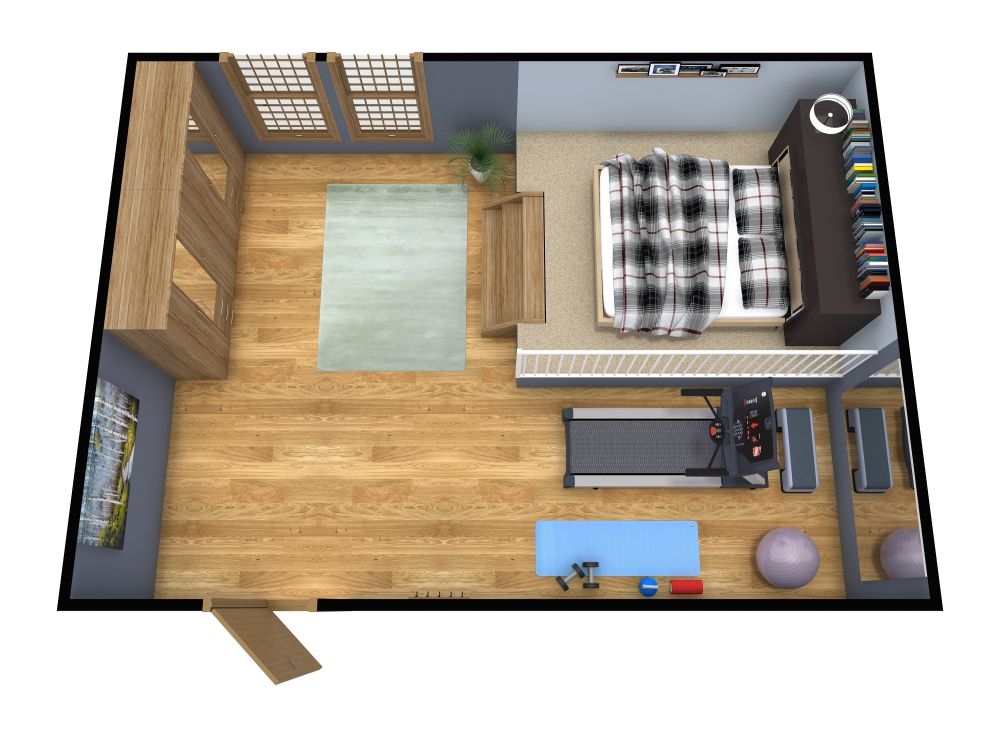
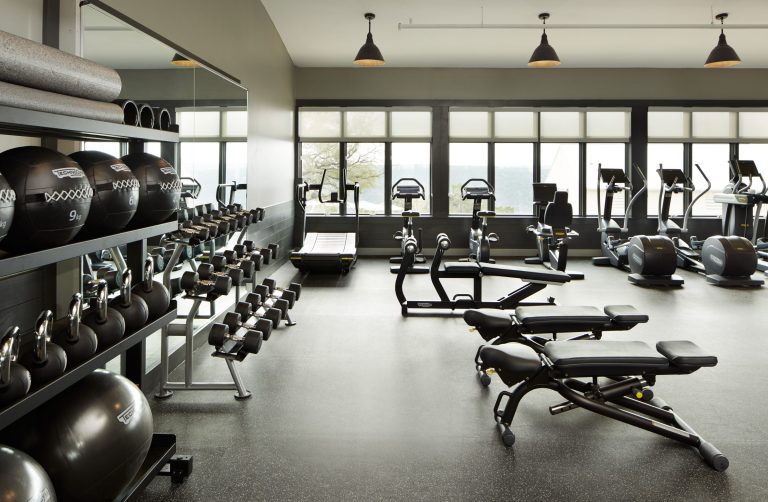
Spare bedroom/den home gym with cardio and weight equipment
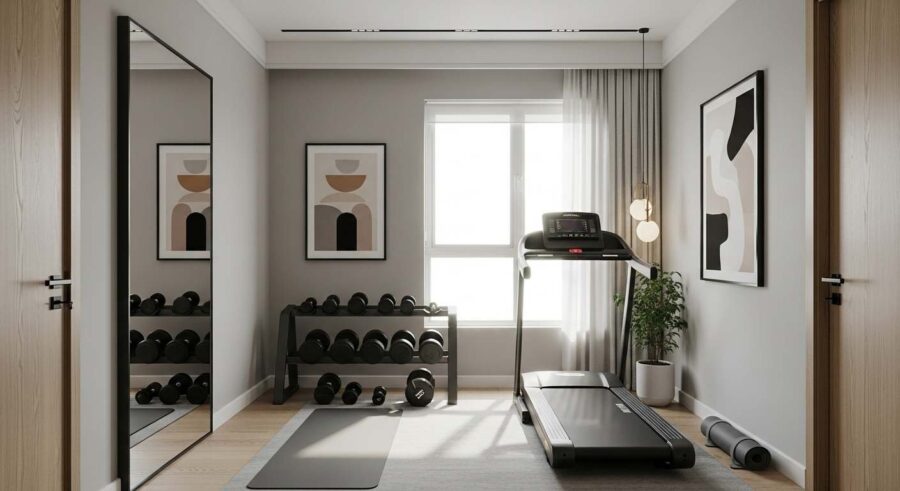
Spacious basement gym with machine and cardio equipment
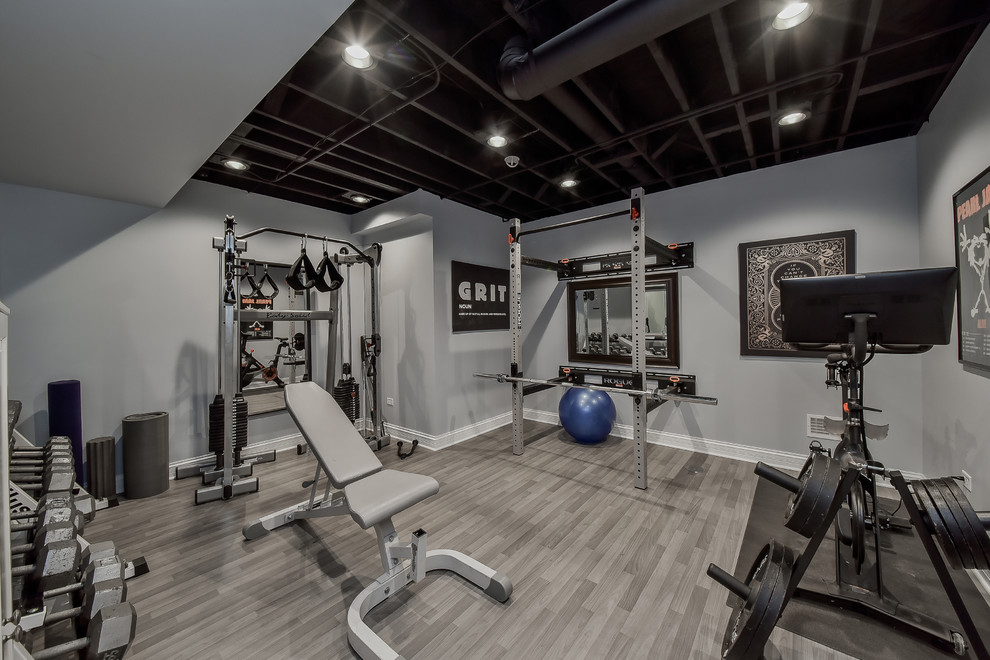
Large spaces give you the most options for equipment and can have multiple persons working out simultaneously. Common large spaces are garages, basements, pool houses, or vast outdoor spaces on the property.
After picking out your workout space is when you want to make decisions on the equipment that you’ll need.
To narrow down your options you’ll need figure out a budget for how much you’re willing to spend.
Basic home gyms can be assembled for about $1,000, or less if you have limited space or use mostly bodyweight exercises. A larger budget and space allow for more machines, cardio, and multi-gym equipment.
You can also save money by buying used equipment or by building your own, if you’re a little creative. If you’re buying used equipment, it’s wise to shop for quality manufacturers that offer products that can withstand years of wear and tear.
Essential Workspace Items
The essential equipment for a weight-training workspace includes a bench, a barbell, weight plates, free/adjustable dumbbells, and a squat rack. The area of your workspace will determine how much and what types of compatible equipment you can store.
Floor tiling for your home gym is also important, as it protects your floor and equipment from damage when dropping weights. The best types are rubber tiling, such as horse stall mats or rubber sheet rolls, which you can lay yourself with relative ease.
Lastly, is the options that can accessorize your workspace to make it comfortable and welcoming as possible. This equipment is not necessary but will make your workout experience as similar to the commercial gym that you’ve become accustomed to for all these years.
Mirrors should be part of your exercise area to monitor form and progress, and to make your workout area appear larger if you’re exercising in a small room. Bluetooth speakers connected to screens, such as a SmartTV or a tablet, can add visual and audio motivation with surround-sound music in your gym.
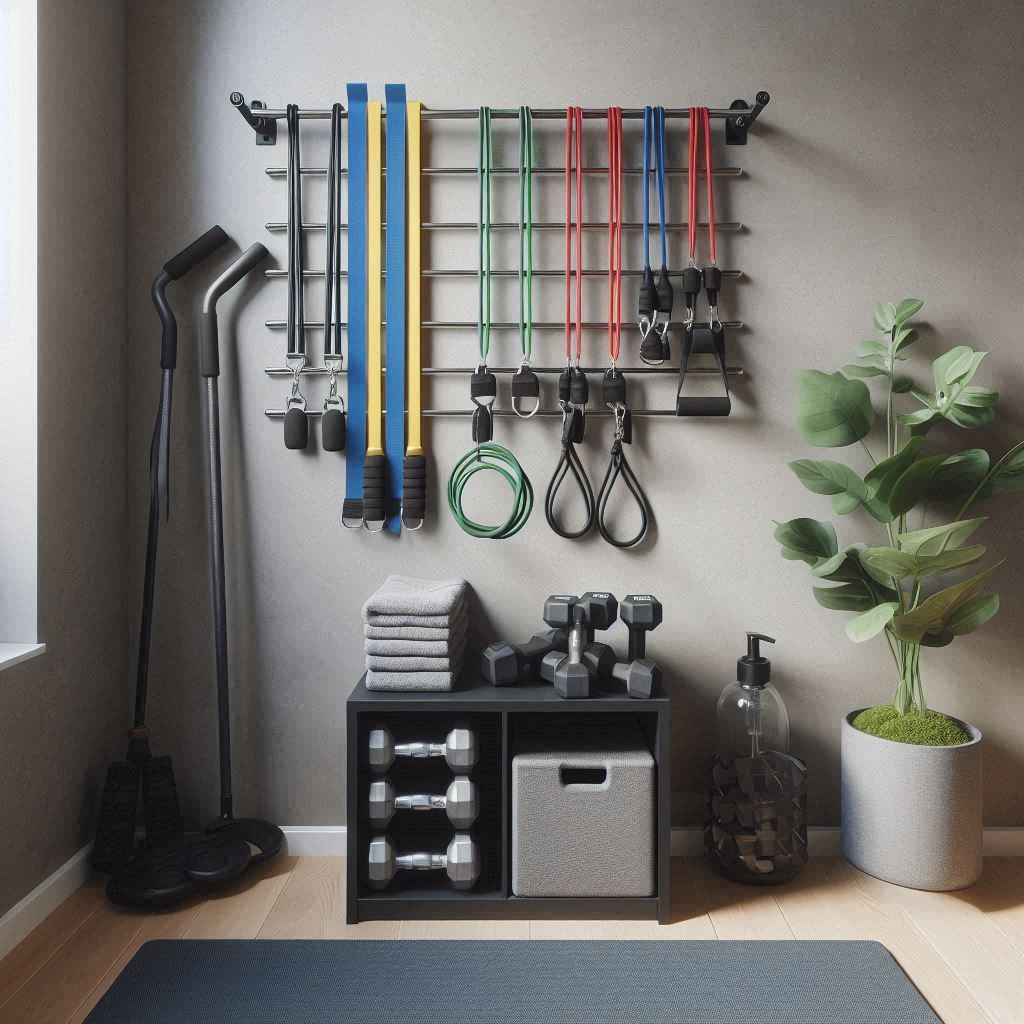
Decor on the walls of the workout space can also be visually motivating while you exercise. These can be old sports medals, jerseys, and inspirational posters. Try to keep your gym tidy with peg walls or notch shelves to store your free equipment and gym roll-up mats.
The Wrap Up
Designing a workout space for your home can be simple if you know the training you need and the resources available to you. A gym can be designed for almost any living space, regardless of budget, provided you plan everything beforehand. The investment in a home gym can be both an accessory to your current training or a personal retreat for exercising in privacy.