
Fearful of Eggs
Eating more than a couple of eggs a day causes some to have anxiety over whether they are causing harm to their health. For years, medical authorities have been advised against consuming large quantities of eggs due to high levels of cholesterol that are correlated to higher mortality and cardiovascular disease.
This previous knowledge also includes data that high cholesterol foods, such as eggs, cause dementia because they can create blockages or damage to the nervous system. Eggs have also been linked to increased cases of diabetes.
The public has yet to realize that these studies were handpicked to subject fear into individuals and steer them towards foods that had more of a financial incentive. Studies such as this one, linked saturated fat and cholesterol from eggs with cardiovascular disease as far back as the 1950s.
Because of decades of constant exposure to this propaganda, many people are afraid of consuming high amounts of cholesterol from eating whole eggs. Eggs are considered fattening and unnecessary for most diets.
On the contrary, eggs have very high nutritional value and benefit the body by producing hormones that lower health markers for disease.
Cholesterol actually plays a vital role in our bodies and is well-regulated when higher amounts are introduced into the diet. Eggs are also more beneficial for producing tissues with high-quality protein that cannot be found in other food groups.
Doctors have not advocated enough for this highly nutritious and affordable food, which can support an individual’s health in many ways. If they did, their patients would shower them with praise for providing them with eggs rather than apples.

Why An Egg A Day Will Keep The Doctor Away
Eggs are not considered completely damaging when separated into their two different parts: the egg white and the egg yolk. The egg white has a majority of the protein, while the egg yolk has almost all of the saturated fat and cholesterol.
This is why you often see bodybuilders bulk up on tons of egg whites in their diets, either in omelets or by adding egg whites to their protein shakes. Avoiding the yolk is considered smart, as it reduces the amount of saturated fat calories.
Throwing out the egg yolk can be one of the biggest mistakes to make in a nutritious diet, as the yolk contains most of the micronutrients that are missing from a majority of foods being consumed. Vitamins and minerals (that are usually added synthetically in packaged foods) are included in the egg yolk.
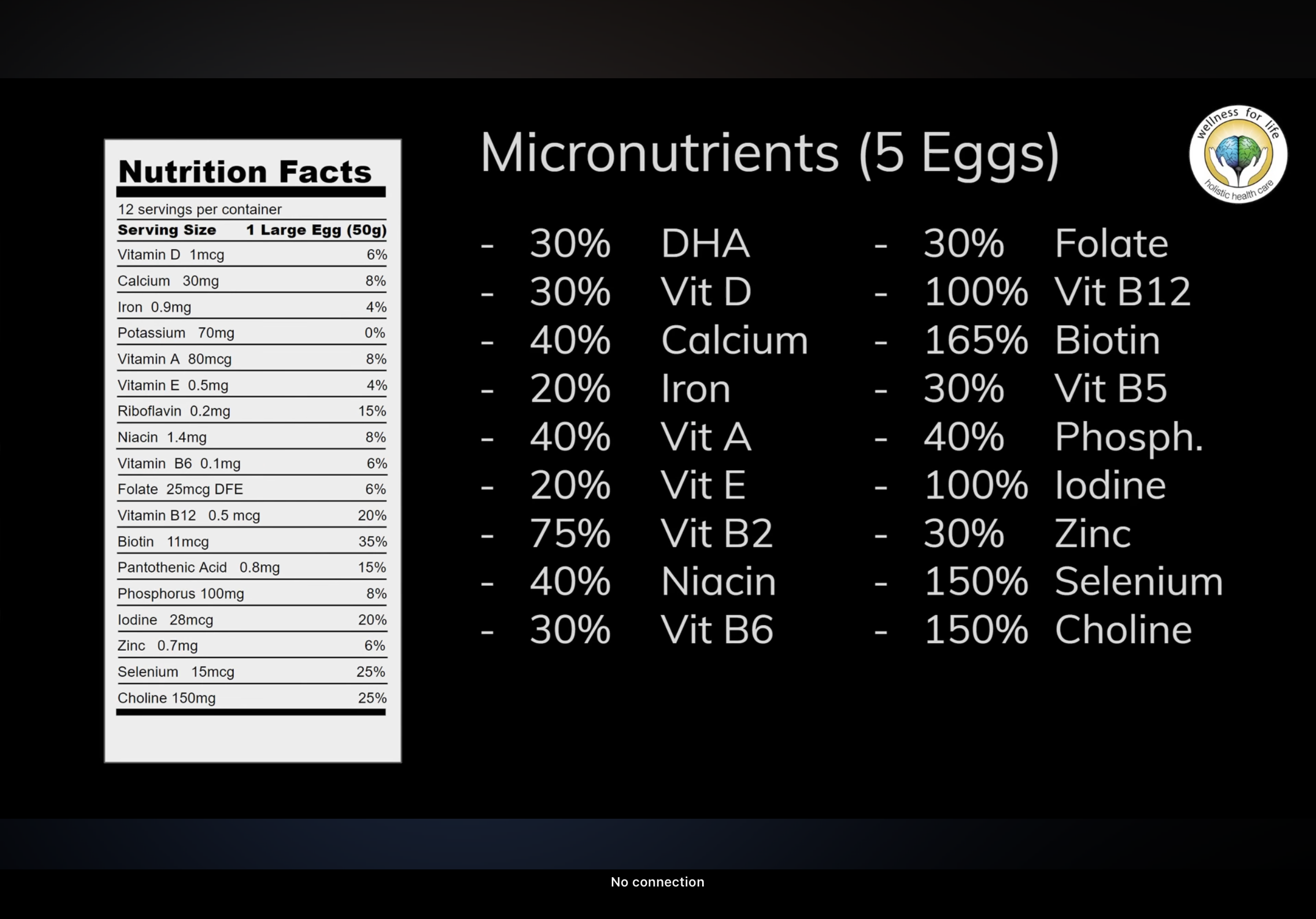
The egg yolk is also widely vilified for its high cholesterol content, which exceeds the daily recommended amount. The maximum daily recommended dose is 300 milligrams, and 3-4 eggs would put an individual over 900 milligrams.
When you eat eggs or cholesterol-rich foods, your liver produces less cholesterol, and HDL (good cholesterol) levels remain the same. The body makes 1000-3000mg of cholesterol daily, which puts the 300mg recommended amount well under the threshold for what the body can produce.
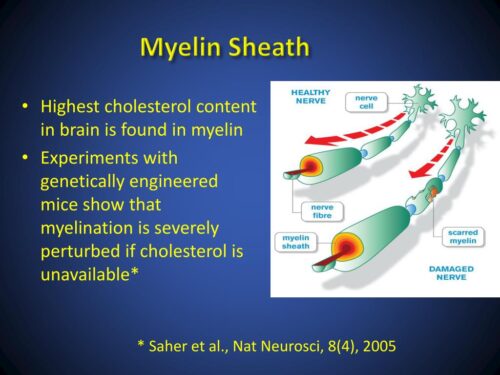
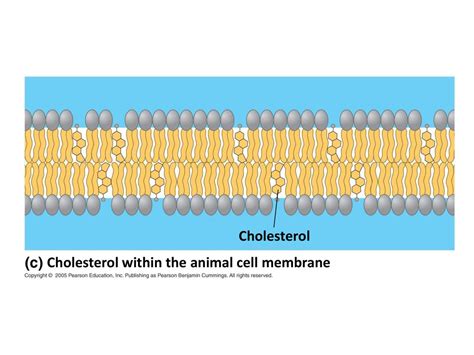
The body produces this much cholesterol because it’s vital to the protection of the nervous system. The covering of nerves is called the myelin sheath, which is composed of cholesterol. The cell membrane is also composed of cholesterol, which plays a role in processing billions of bits of information and in allowing nutrients in and out of the cell.
The only health markers that matter for cholesterol are LDL sizes (large is good, small is bad) and higher levels of good cholesterol (HDL) going up. Triglycerides are a marker that should go down with good health.
The Power of Eggs
Not only is cholesterol beneficial to the function of the body’s cells but they also aid in the balance of our hormones. It helps produces vitamin D (immunity hormone) and testosterone production in men.
The many nutrients from eggs help lower the risk of NAFLD (non-alcoholic fatty liver disease) by helping lower insulin resistance within the body’s cells. Insulin resistance is the precursor to diabetes and metabolic syndrome, which will eventually lead to heart disease.
Eggs are also a good source of omega-3 fats, including DHA and EPA, which support brain health. DHA has a calming effect on the brain by stimulating the prefrontal cortex, helping to inhibit stress and anxiety.
EPA minimizes inflammation caused by oxidative stress from foods and cell degeneration. When both of these omega-3 fats are present in the bloodstream, they have better effects than antidepressant medications by bringing the brain more into balance, instead of interfering with the balance of neurotransmitters in the brain.
High amounts of choline in eggs is associated with arousal, focus, and learning, and neuroplasticity. These particles are responsible for the creation of acetylcholine, which helps rapid eye movement (REM) sleep, providing a feeling of being more well rested.
It’s also uncommon knowledge that eggs are precursor for antioxidants, which help fight free radicals and lowers bad amino acid buildup in the body. This amino acid is known as homocysteine and is an indicator for higher risk for cardiovascular disease in the future.
Eggs help convert this homocysteine to methionine, a precursor to the body’s main antioxidant, glutathione, that helps keep immunity strong.
High Quality of Egg Protein
The protein from eggs is considered one of the highest quality compared to most other sources found in nature. This is because proportion of useable protein found in eggs in higher ratio than other food sources.
The protein that we eat can do one of the two things: become tissue or energy. The better the protein or amino acids are in balance to our body tissue, the greater percentage of that can be used by the body.
Protein is broken down into amino acids in the body where it later assembled into various tissues (skin, hair, muscle, stem cells). The protein that is not used is converted into glucose, where later the glucose is used for energy or converted into fat if not immediately used.
An example of poor protein utilization is with plant protein, as plant protein has 17% utilitized for tissue and the remaining 83% being used for energy. While 17% is not an insignificant amount of protein that be converted for rebuilding body tissue, a large portion of protein will be converted to glucose because the essential amino acids are not close enough in similarity to the body.
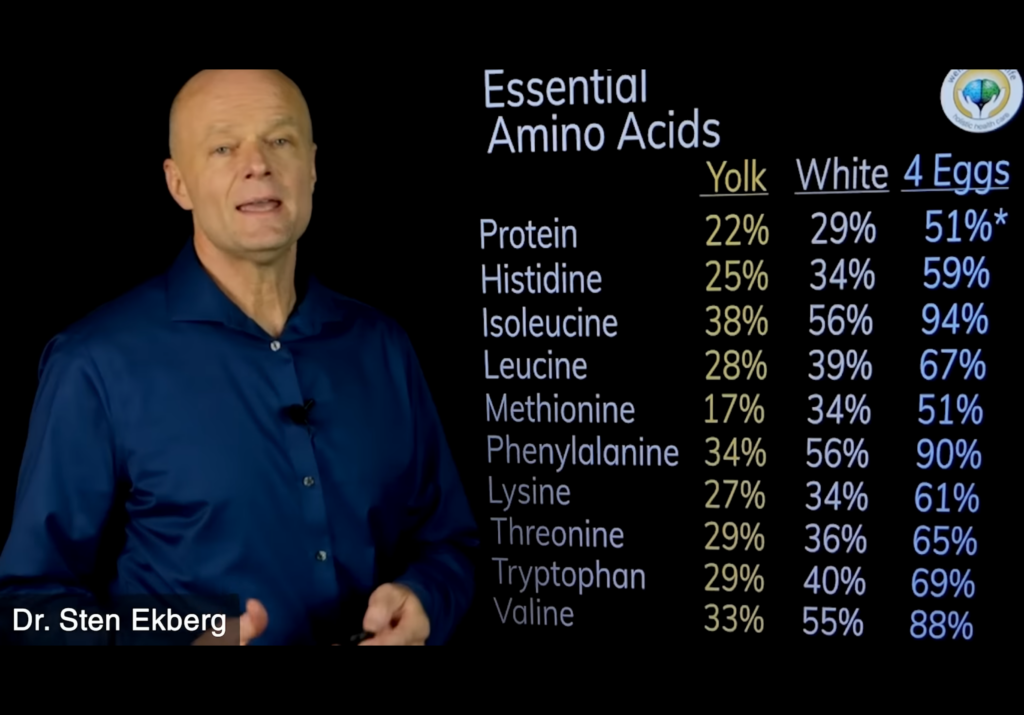
In comparison, protein from eggs have some of the highest utilizations rates, with 49% converted to tissue and 51% being converted to energy. This is also another reason why the eggs yolks should be consumed with egg whites, as the amount of essential amino acids go up significantly in percentage when the egg is eaten as a whole.
The Wrap Up
Eggs are not given enough credit as a vital source of nutrition because high-saturated-fat and high-cholesterol foods are often vilified. Despite misinformation about the dangers of eating large amounts of cholesterol, the micronutrients in eggs have benefits. They can lower the risk of metabolic syndrome and other long-term health problems. Add more eggs to your diet to help regenerate body tissue and support recovery. Notice any improvements in your energy and health.