The Root Causes of Poor Male Health
Frequent doctor visits among young men are often due to preventable issues that go unaddressed. However, the reasons for these repeat visits are seldom clarified or explored.
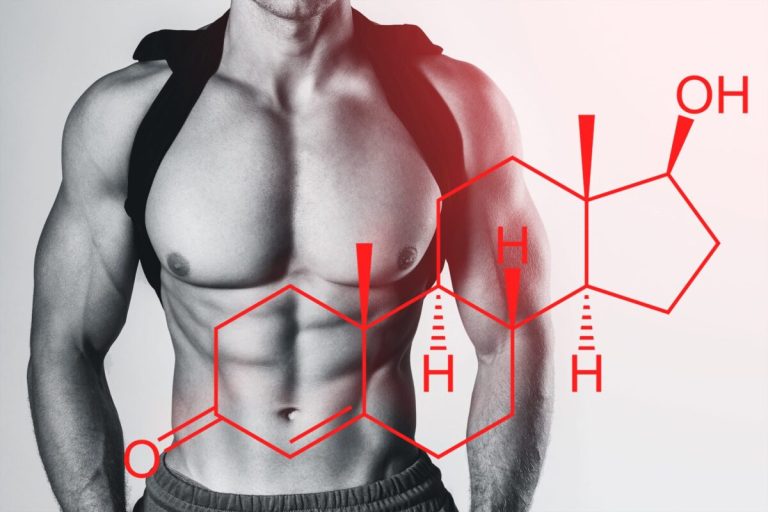
Endocrine disruptors are environmental pollutants that alter hormone levels and even gene expression. Whenever there are significant changes in your hormone production, they can affect everything from your physiology to your overall mood and metabolism.
When an individual encounters any of these health issues, their doctor is the person they seek out for medical advice to remedy the situation. Doctors who specialize in hormone production (endocrinologists) can test for unbalanced hormone levels and offer treatment options, but they can rarely pinpoint the causes of their patients’ symptoms.
Without this knowledge, the average person is bound to the advice of experts who are themselves susceptible to environmental pollutants. The blind leading the blind.
Exposure to pollutants can come from a range of sources, including cooking with certain kitchenware, bottled and tap water, cleaning products, hygiene products, paper, and a majority of our food supply. People are ignorant of much of this information because the products that create hormonal problems are those frequently marketed on television and radio broadcasts.
This brief article provides a quick reference to some of the most common sources of pollutants to which the average male is exposed in the 21st century.

Top 5 Male Endocrine Disrupters to Avoid
Think of the body’s hormone production system as much similar to the engine block of your automobile that you drive. There are typically 6 to 8 cylinders that work together to regulate the flow of oxygen and gas to propel the vehicle forward.
The human body is like an engine, with various hormones acting on organs to maintain a state of balance or equilibrium (homeostasis). Without homeostasis, the body cannot function properly, and health starts to deteriorate.
Endocrine disruptors are recognized by the body as hormones, which can confuse the body when we consume large amounts of these pollutants. Once enough pollutants accumulate, the body expresses this imbalance through common health symptoms that go under the radar. Oddly enough, health deterioration is often first recognized as lower libido or erectile dysfunction in males.
These hormonal changes not only affect the reproductive organs but also the immune system and behavioral patterns. Until the source of these disruptors is identified, change rarely happens:
Plastics are one of the biggest pollutants on Earth, which is why there are around 270 tons of plastic lying in the planet’s bodies of water.
Plastics are also harmful pollutants because of the chemicals they contain, including BPA, phthalates, and parabens. These chemicals accumulate along with other pollutants, such as heavy metals, pesticides, and pharmaceuticals, that are disposed of into our water supply.
Plastic chemicals are released when they’re heated, breaking down and leaching into water and food containers. Food that is microwaved in plastic often tastes different and is contaminated with these chemicals when consumed.
Environmental changes have become a challenge for doctors who are now screening men at younger ages for hypogonadism, which negatively affects the sex organs in the womb and causes low testosterone levels.
This could explain the recent rise in TRT treatment in men under 25 over the past few years. Similarly, plastics also have an effect on the food signal receptors in the brain and can alter the hormones responsible for hunger and satiety.
Plastic Products:
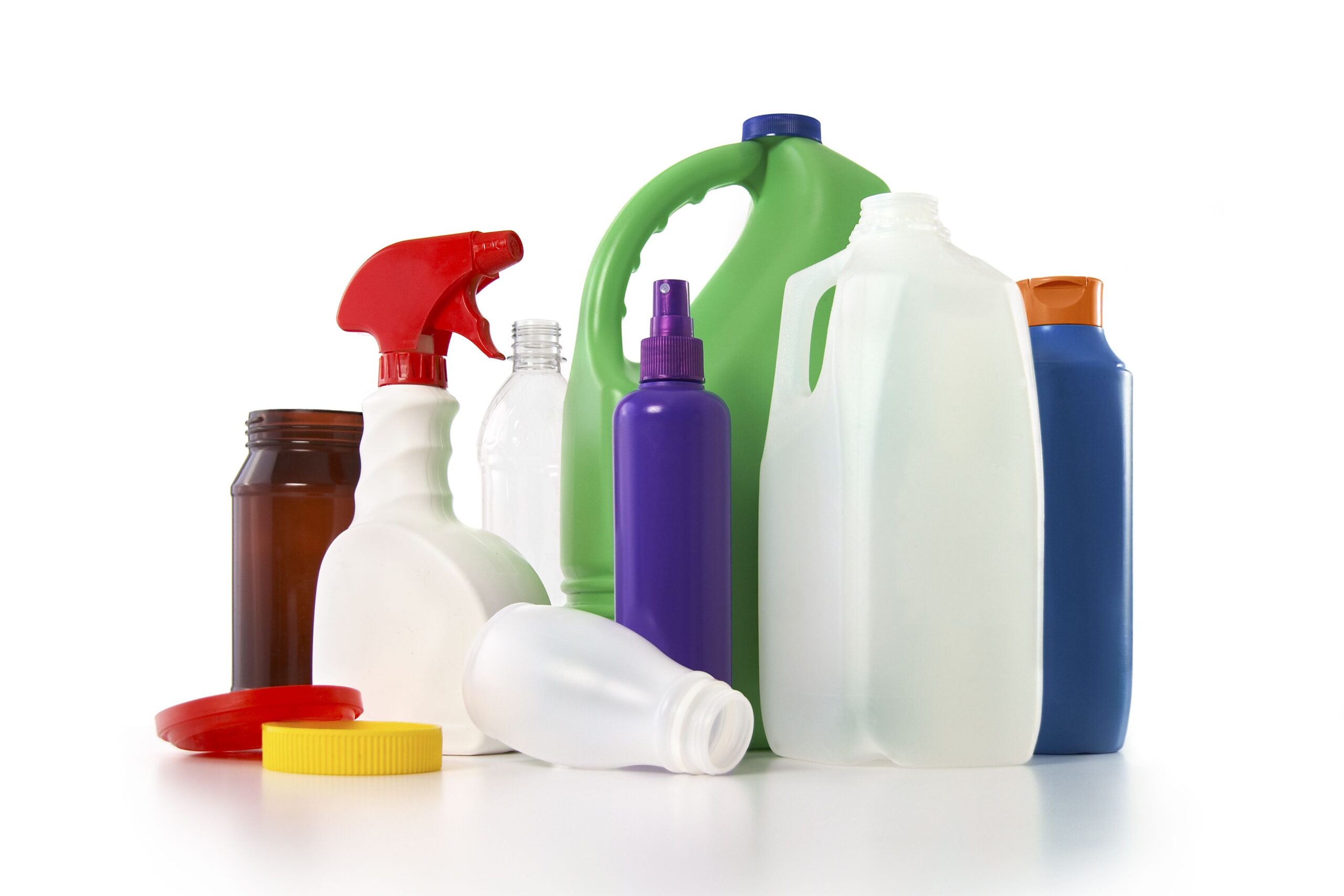
Plastics are among the most common synthetic materials used, with most food wrapped in plastic for storage and convenience. Plastics contain harmful chemicals that break down into microplastics, contaminating almost everything we consume. In a typical year, the average male consumes close to 10 credit cards’ worth of plastic from the products he uses and the packaged food he purchases.
Avoid or replace the following plastic products in your kitchen: cutting boards, condiments (ketchup/mustard/sauces), plates, cups, and utensils.
Snacks:
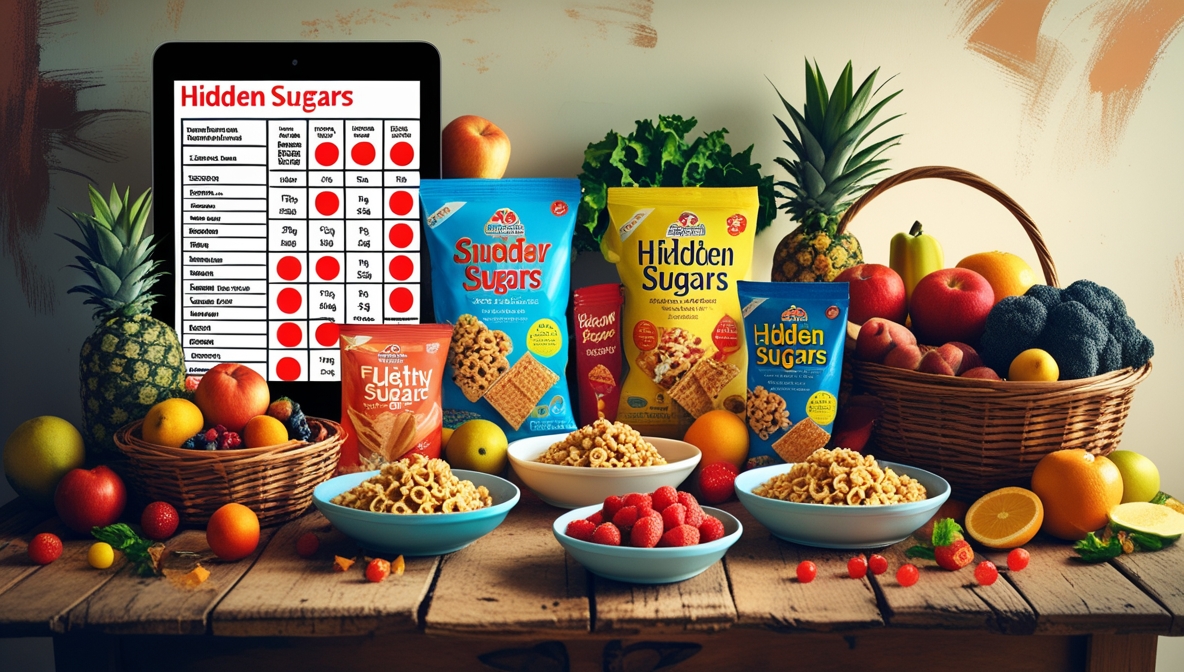
Snacks are really food products that are more often marketed to us than sought out for their health benefits. When a snack is marketed as healthy, it’s usually a processed food wrapped in fancy plastic packaging that entices consumers to buy it. You shouldn’t be snacking on any of these fake foods, and neither should your children. Try to avoid packaged snacks and foods whenever possible.
Fragrances:
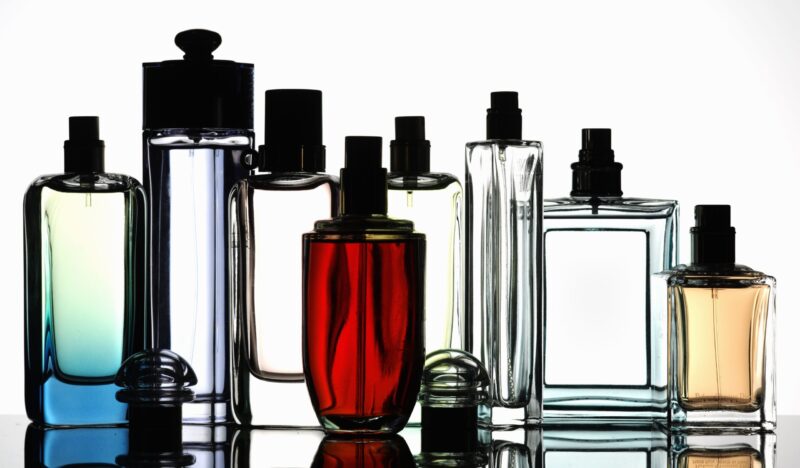
The first thought that comes to mind when thinking of fragrances for men is body sprays/cologne sold in department stores/online. Fragrances are also found in many of their hygiene products, including soaps, shampoos, conditioners, and lotions. These fragrances contain chemicals known as phthalates, which help fragrances last longer and make plastics more flexible.
Fragrances can be a problem for males because of the number of products that use them and the many fragrances they apply to their skin on a day-to-day basis. Opt for organic or natural fragrances, such as essential oils or incense, for your home.
Toilet Paper:

Toilet paper products were seen as more than a commodity for the first time 5 years ago, and had people in droves at stores fighting for rolls. Toilet paper is a relatively new invention made from processed pulp, like regular paper. The difference is that this paper is lined with PFAS, chemicals that soften paper and make it more durable. Toilet paper also contains formaldehyde, BPA, and phthalates that lead to cancer and reproductive problems.
Using this product repetitiously over one of the most sensitive areas of the body isn’t smart and risks exposure to many of these toxic chemicals. Avoid using it whenever possible and/or find alternative toilet paper products that have been screened for these chemicals.
Sugar Free Foods/Drinks:

When sugar became vilified in the media over 30 years ago, there began a steady rise in the popularity of sugar-free food products. Sugar is seen as a toxic, empty calorie, and sugar-free products have taken its place as a pleasurable substitute. While sugar alternatives can taste similarly to the real sugar (sometimes), they also contain rebranded chemicals that were first experimented on rodents for product testing.
Humans are the latest test victims for the food industry, and many males are addicted to diet sodas and 0-calorie maple syrups. These food products contain dangerous sugar alternatives that could destroy gut bacteria, alter satiety hormones, and create an insulin like response in the bloodstream. This can affect your metabolism and your balance with other hormones.
Solutions
Endocrine disruptors are the new fear porn for the health/wellness industry because of the thousands of different compounds that have an impact on our environment. The industry has made them the new target culprit, just like saturated fat, sugar, carbs, or excessive protein.
Instead of fearing hormone-altering chemicals that are in the air, water, and food supply, it’s wise to focus on what you can control. It’s impossible to completely avoid poisons from various sources, but you can become aware through your purchasing power.
Plastics aren’t necessary; purchasing glass/wood as an alternative is always the best solution. These materials also last longer and do not break down as easily as plastic products.
You can also start by reading labels more often. Reading labels has become more common for food products on shelves, but it should also be consistently done for all hygiene and home-cleaning products. Organic, simple-ingredient products can be found by researching recipes you can make at home in your kitchen.
Doing any of these preventative methods helps avoid unnecessary exposure and gives you the advantage of consuming less poison than the average person.
The Wrap Up
Worldwide, males are struggling with the rising presence of endocrine disruptors in the environment and the lack of awareness of what’s causing their health problems. Seeking treatment for health symptoms does not address the root cause and will lead to frustration towards professionals who are not knowledgeable about this information. Although pollutants are a concern for many adults, replacing harmful products that you’ve become familiar with healthier alternatives can be the start to removing excess poisons from your body.