Uncontrollable Food Urges
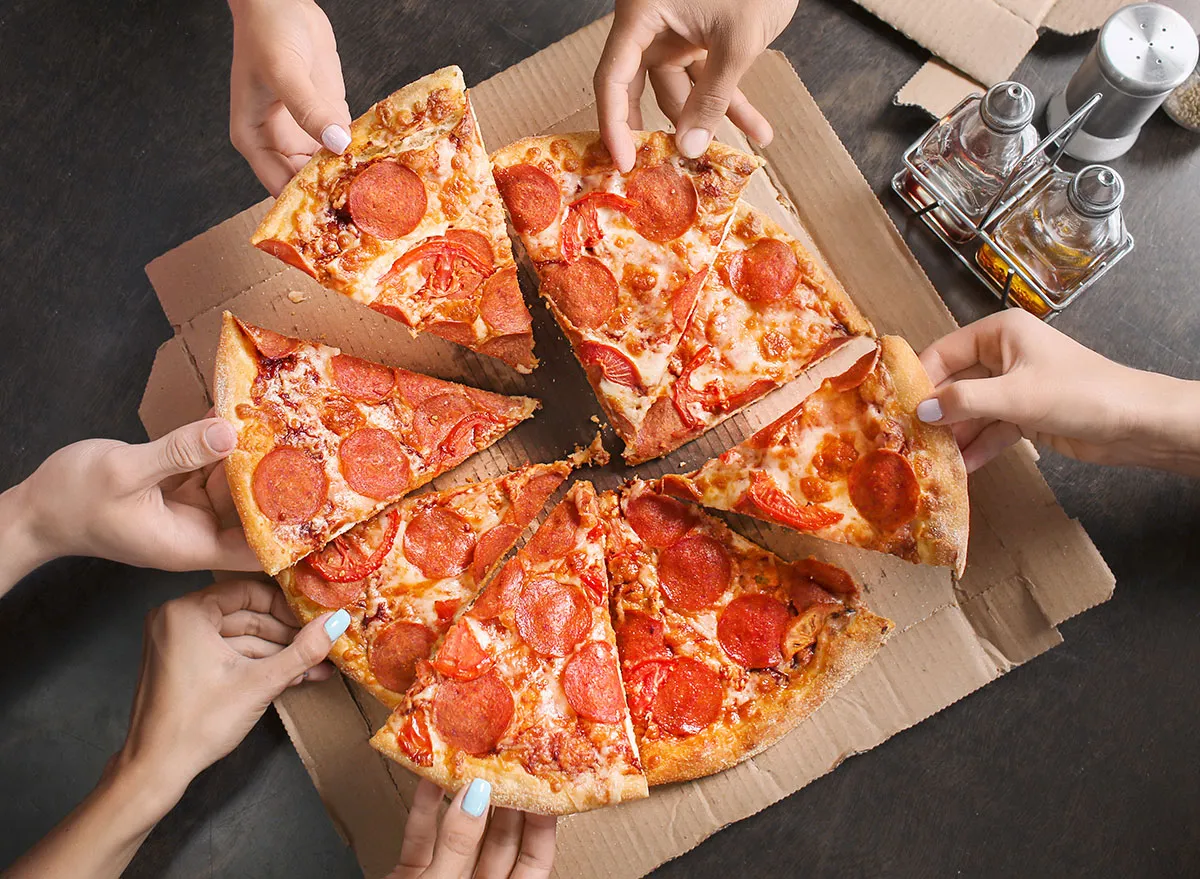
Eating snacks throughout the day has become a common habit. Whether on the go or staying sedentary indoors, this holds true. This is even more apparent due to the current state of the world.
The COVID pandemic has made us accustomed to being confined to our homes, where there’s easy access to food pantries and refrigerators full of the foods we enjoy.
In America, the three meals a day model has been replaced by frequent snacking patterns as it’s perceived as more convenient than preparing food.
The average person now has about 4-5 snacks in a day, with another 3-4 beverage snacks included between meals.
Long-term habits often transform into lifestyles, and snacking can have hazardous health consequences if someone becomes addicted to it permanently.

Why Snacking Should Always Be Avoided
The food industry has been observing the growing trend of snack foods becoming a staple within the diet over the past decade.
The snack industry is currently valued at $427 billion and is set to grow steadily over the next 5 years as demand remains strong.
Demand for snacks has changed significantly over the past few decades as the population has become more health-conscious. Healthier snacks are now heavily promoted, such as yogurt, berries, exotic fruits, seeds, and nuts.
These ‘healthier’ foods might be better for you because of nutrient content or levels of satiety from consuming them, but the marketing for these products can fool even wise consumers.
Understanding how the hormone insulin works, it’s elevated in the blood upon the digestion of almost any type of food. Consuming a small snack causes an insulin spike that creates a drop in blood sugar, which stimulates feelings of hunger and low energy shortly afterwards.
Repeatedly elevated insulin levels can be a precursor to insulin resistance. Insulin resistance is strongly tied to metabolic syndrome and other dysfunctions in the body. This is why snacking should be avoided; frequent eating disrupts hormonal balance, counteracting the benefits of the healthy snacks being consumed.
How to Avoid Snacking
As mentioned earlier, the average person consumes 4-5 snacks between meals throughout the day. There are various types of snacks available, but the ones that have been growing popular are functional snacks.
Functional snacks are processed but have healthier macronutrients and ingredient origins than your typical snack. This would include high-protein bars, organic & non-GMO, gluten-free, and low-carb snacks found in most convenience and supermarket aisles.
These foods can become a good supplement to an otherwise healthy diet, but can ruin your health if consumed too frequently. Instead of keeping them as snacks, it would be better to add them to one of your meals in the day.
Adding healthy snacks to your meals not only gives you a more well-rounded nutritional profile, but also leaves you feeling more satiated with little to no blood sugar crash afterward.
The second method to eliminate snacking is to just get them out of the house, out of sight, out of mind. Clear your pantry of foods that are big temptations that will cause you to binge on empty calories.
If you’re living with someone who keeps a lot of snacks while you’re attempting to eat healthier, keep the snacks away in a cabinet where they’ll be out of your eyesight.
The best way to avoid snacking is to stay busy and keep productive. Keep a to-do list nearby so your mind stays focused on accomplishing tasks rather than on eating. Boredom is often confused with hunger.
Lastly, if you want to stop snacking, try to avoid watching TV, especially for long periods. The reason for this is because of the TV’s signals that are emitted to the brain when you watch it. Watching TV puts the brain into an Alpha wave state within 30 seconds, which makes you highly susceptible to suggestions being transmitted.
This is why TV commercials are placed in all your favorite programs and broadcasts; food cues are placed in your mind that you’ll later act upon. Individuals who watch TV tend to consume more food than those who don’t.
The Wrap Up
Snacking is a common habit that many people consider part of a healthy lifestyle. Snacks can be healthy, but the habit of snacking isn’t, since it creates dependency on food for comfort, energy, and stress relief. Combining snacks into balanced meals is a much healthier option, as is eliminating behaviors that create those bad eating habits.