Fighting Temptations With Food
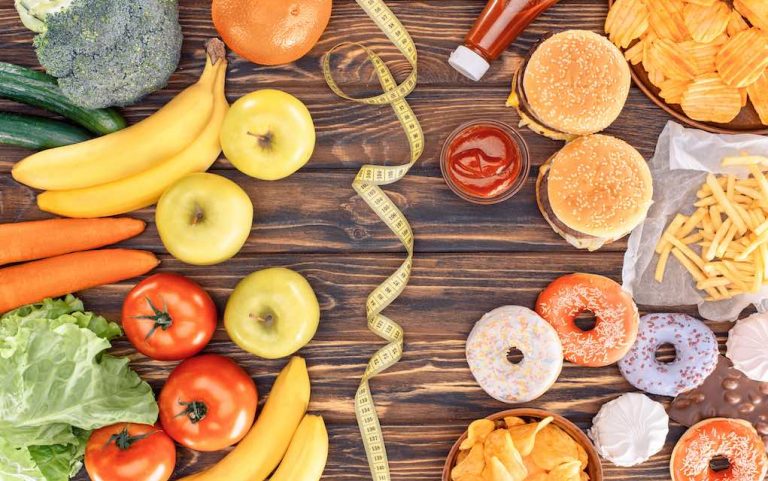
Making healthy dieting choices seems easy to commit to on paper, but people often make poor food choices that sabotage progress towards their goals.
We can hold the image of the body we’re trying to achieve, but bad eating habits are very difficult to break if they’ve existed for a long time.
People rarely see results from diets because they often fail to replace old patterns with new ones. Replacing old behavior patterns will help prevent cyclical weight gain and loss.
Without understanding these underlying behavior patterns, reliance on the newest diet fads becomes the norm for individuals trying to lose weight.

Why Staying Committed With Most Diets is So Difficult
Starting any diet requires meticulous planning, preparation, and commitment to succeed for any period of time. Many popular diets found on the market have strict guidelines in terms of what to eat and vague restrictions on how much food you should consume.
As a result, many dieters find themselves overeating healthy foods because of the amount of food they believe they have consumed throughout the day. In a 2012 study, when scientists controlled the amount of soup served to a group of volunteers, the group with the perceived lower amount reported hunger sooner than the group served larger amounts.
While this desire for a constant supply of food served human ancestors well in their hunter-gatherer lifestyles, it’s a significant disadvantage for many living in a society with abundant food options. Since humans no longer need to store fat for long periods before the next large meal, losing fat today is much more challenging than we wish.
Excess calories from consumed food are stored in our fat cells, which produces an appetite-suppressing hormone called leptin. While this hormone prevents individuals from gaining too much fat, leptin is released in greater amounts in obese individuals. If too much leptin is released, the obese individual becomes leptin-resistant, making losing body fat an uphill battle from the start.
Another appetite hormone, ghrelin, affects the amount of food we consume by making us feel hungry after meals when insulin levels are at their lowest. When an overweight individual goes on a weight-loss diet, their body fights them by releasing less leptin and increasing ghrelin levels in the bloodstream.
The longer you’re in a calorie deficit, the more your appetite will increase while your meal satiety decreases.
Importance of Photo Logging Food
In many first-world societies today, the average person consumes far more food than royal families did over 100 years ago. As a result, it isn’t uncommon for a person to consume quantities of food that would have been served to a family of three in one day!
This is why I regularly recommend that my personal training clients keep a meticulous log of the meals they eat throughout the day to track their calories. Without a food log, it becomes easy to lose track of the small meals, drinks, snacks, and sugary foods that make losing fat much more difficult.
It’s also beneficial for those dieting, as they can moderate their calorie intake without giving up any of the foods they love. Dieting is a lifestyle, not a fad, because it requires a commitment of time to make it work.
With smartphone devices like the Apple iPhone, you can use the camera to track your meals and later record them in an online database or a plain composition notebook (see How to Use Your Smartphone to Track Your Meals).
The Wrap Up
Staying committed to a diet sounds simple on paper, but it is more often than not a battle of human psychology. The human brain was wired for the nomadic lifestyles of our ancestors; however, the society we live in provides us with an abundance of food options regularly. To prevent our habits from getting the best of us, individuals should focus on quantity rather than quality to determine which dieting lifestyle is best for them.