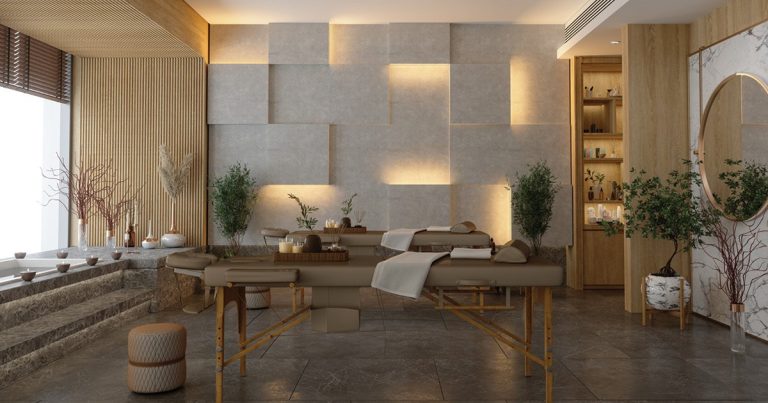
Create a Multipurpose Wellness Room That Boosts Health and Fits Your Space
Busy parents juggling work and wellness, and homeowners in smaller layouts, often face the same limited-space challenges: there’s no room for a treadmill, a stretching corner, or a quiet place to decompress. The real tension is balancing fitness and recovery: getting a solid workout, supporting sore muscles, and protecting mental and physical well-being without turning the house into a cluttered obstacle course. Home wellness remodeling can feel intimidating when every square foot has to earn its keep, especially when one room needs to serve the whole household. A well-planned multipurpose home space makes wellness feel possible every day.
What a Multipurpose Wellness Room Really Is
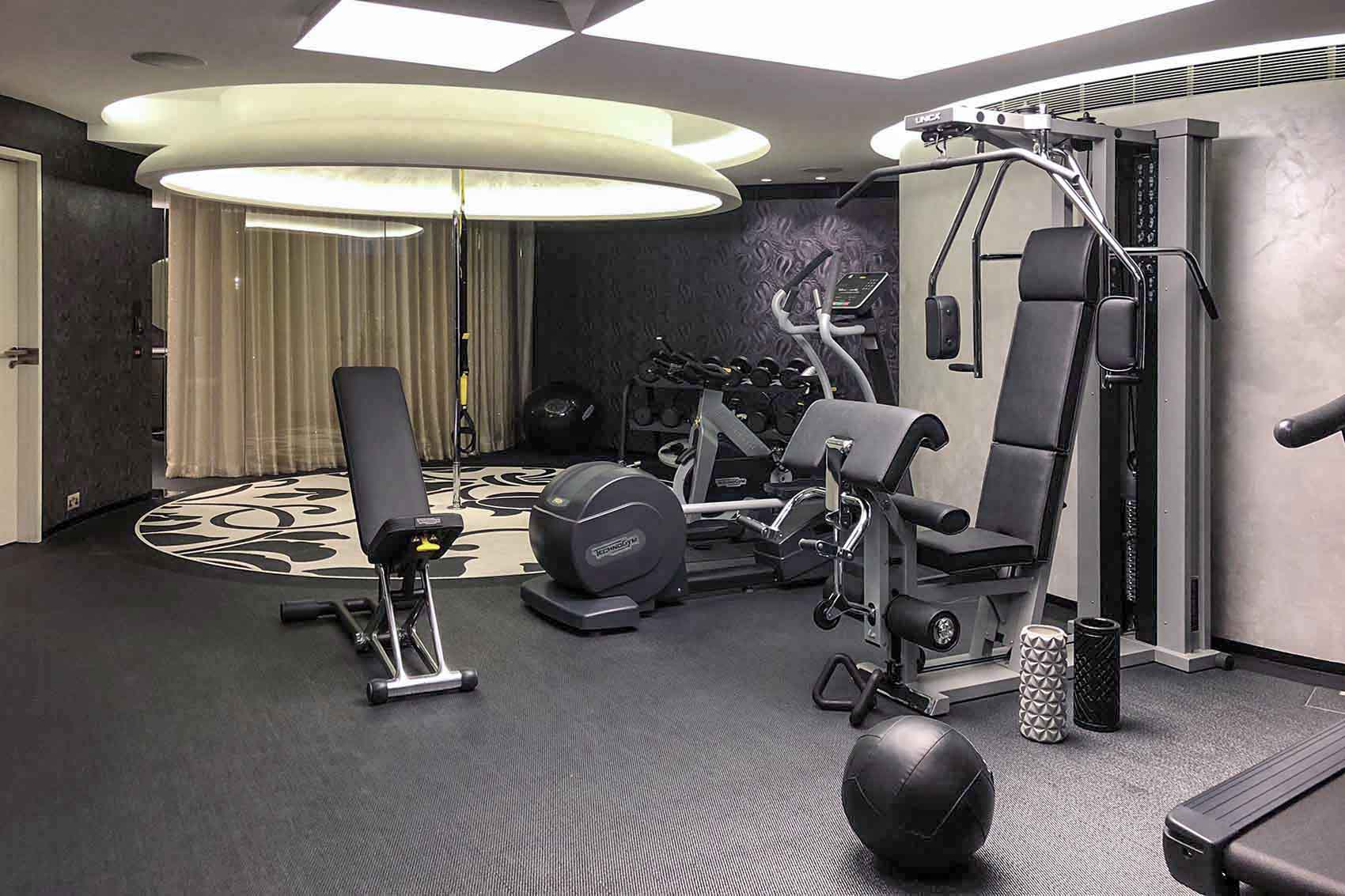
A multipurpose wellness room is one dedicated spot that can shift between movement, recovery, and calm. Think of it as a personal sanctuary that supports a quick reset, similar to a dedicated space designed for stepping away and returning steadier. Adaptable design makes that possible by using flexible zones and easy-to-store gear, so the room can change with your schedule.
This matters because your body and brain need different inputs across the day. When one space can handle strength work, stretching, and quiet breathing, you are more likely to stick with routines. That consistency can support renewed energy and focus without turning the rest of your home into overflow storage.
Picture a spare corner that starts as a yoga mat and bands in the morning. By lunch, the mat rolls away and the same area becomes a chair-and-lamp spot for five minutes of quiet. After dinner, it switches back for mobility work while the family winds down.
Protect Your Comfort Systems While You Remodel
Once you’ve pictured how one room can flex between workouts, recovery, and downtime, it’s worth thinking about what keeps that space comfortable and reliable behind the scenes. When you use a wellness room regularly, the systems that support it can work harder over time. Heating and cooling may run more often to keep the temperature comfortable during and after workouts, and electrical components can see heavier day-to-day use as the space becomes part of your routine. That kind of increased demand doesn’t automatically mean something will fail, but normal wear and tear does add up.
That’s why some homeowners consider a home warranty while remodeling: a home warranty service agreement can help cover repairs or replacements for essential home systems like heating, cooling, and electrical, making unexpected breakdowns less financially stressful. If you want some good information on how this type of coverage works, it can help you weigh the trade-off between peace of mind and potential out-of-pocket repair costs.
Use This 4-Part Plan: Layout, Storage, Lighting, Materials
A great wellness room isn’t about having more space; it’s about using the space you have on purpose. Use this 4-part plan to keep the room flexible for workouts and recovery, without sacrificing comfort systems or everyday function.
1. Sketch a “two-zone” layout (Move + Restore): Mark one open rectangle for movement (bodyweight, yoga, mobility) and one calmer corner for recovery (stretching, breathwork, reading). Keep the movement zone as clear as possible, think one larger mat area instead of several small stations. A simple rule: leave a clear walkway to vents, returns, and thermostats so your HVAC can breathe and you’re not blocking airflow during sweaty sessions.
2. Use a wall-first storage approach to protect floor space:Before you buy more bins, look up, hooks, rails, and wall-mounted shelves keep gear off the floor and make cleaning fast. Store frequently used items at chest height (bands, jump rope) and heavier items lower (weights) so you’re not lifting awkwardly. If you’re remodeling, plan outlets and clearances so storage doesn’t crowd your dehumidifier, air purifier, or access panels you may need for maintenance.
3. Create “one-minute reset” hiding spots for clutter: The fastest way to keep a multipurpose room usable is having a place to sweep things into at the end of a session. Try a closed cabinet, an ottoman with storage, or a lidded hamper for towels and small props, anything that takes 60 seconds to tidy. This is also where budgeting helps: reserving a little for durable storage and for the comfort-system protections you’ve planned prevents last-minute compromises.
4. Layer natural + ambient lighting for workout vs. wind-down: Put your brightest light where you’ll move, and softer light near your recovery corner. During the day, keep window coverings easy to adjust so you can reduce glare on screens or mirrors without making the room feel cave-like. At night, dimmable bulbs or smart controls help you shift moods quickly, going smart can also make it easier to automate routines like “workout bright” and “stretch dim.”
5. Choose sweat- and weight-friendly surfaces (and protect what’s underneath): For floors, prioritize water resistance and dent resistance, then add a large training mat or interlocking tiles in your movement zone to absorb impact. On walls, use a scrub-friendly paint finish where hands, bands, and shoes might scuff. If you’re placing heavy gear, add furniture sliders or a dedicated platform so you’re not grinding grit into the floor finish over time.
6. Build in noise and vibration control from the start: Even small steps matter: a thick mat under weights, soft-close hardware on cabinets, and weatherstripping on the door can reduce rattles. Position louder activities (jumping, kettlebells) away from shared walls when possible. This keeps the room more shareable, and avoids the “I can’t use it when others are home” problem.

How Much Does a Wellness Room Cost? Budget Tiers to Get Started
Costs vary widely because a wellness room can be anything from a mat and a lamp in a spare corner to a fully remodeled space with new flooring, lighting, and electrical work. Home gym cost guides are the closest published benchmark.HomeAdvisor estimates that building a home gym costs between $2,150 and $13,750, with most homeowners spending about $7,750, and Fixr lists a national average of $13,500 when equipment is included. A wellness room leans on mats, bands, and lighter gear rather than heavy racks and machines, so many households can land well below those averages. Use the ranges below as planning figures, not quotes, since prices shift by region, season, and the products you choose.
HomeGuide puts a small gym with essential gear at $200 to $500, a basic workout room at $800 to $5,000, and a premium room at $5,000 to $25,000 or more. Those tiers translate to a wellness room like this:
| Tier | Typical budget | What it usually covers | Best for |
| Test-run corner | $200 to $500 | Yoga mat, resistance bands, foam roller, light weights, a chair, a lamp, and wall hooks, with no construction | Trying the idea for two weeks before committing |
| Refreshed spare room | $800 to $5,000 | Cushioned or rubber flooring, wall-mounted storage, upgraded lighting, a dehumidifier or air purifier, fresh paint, a mirror, and modest equipment | Parents and homeowners who want a dedicated, durable space without major construction |
| Full remodel | $5,000 to $15,000+ | New flooring, recessed lighting, electrical or HVAC changes, a mirror wall, built-in storage, and soundproofing | Long-term homeowners converting a bedroom, basement, or garage |
| Item | Typical cost | Notes |
| Flooring | Rubber tiles run $4 to $17 per square foot | A 100-square-foot movement zone costs roughly $400 to $1,700. Foam tiles generally cost less. |
| Lighting | $700 to $1,700 for six recessed lights | Dimmable bulbs and lamps cost far less and still give you “workout bright” and “stretch dim” settings. |
| Mirrors | $250 to $500 for a 6 by 8 foot wall mirror | Full-wall mirror kits run $800 to $2,500. |
| Air quality | About $120 to $400 for a portable dehumidifier, and $50 to $350 for a room air purifier | Plan for replacement filters and a few dollars a month in electricity. |
| Storage | About $100 to $500 | Wall rails, hooks, shelves, and a closed cabinet or storage bench. |
| Mat, bands, and foam roller | About $50 to $150 | The core of a starter setup. |
Storage and small-gear figures are general retail estimates and vary by brand and store.
● Run the two-week test first. Tape out your workout footprint and use temporary hooks before spending on permanent changes.
● Spend first on what protects comfort and safety.Flooring, lighting, and air quality come before mirrors and built-ins.
● Buy used equipment. Dumbbells, benches, and kettlebells hold up well, and secondhand listings are common.
● Phase the project. Set up the movement zone first, then add the recovery corner and storage as your budget allows.
● Get at least three quotes for any electrical or HVAC work.
● Add a cushion of about 10% to 15% to your budget for surprises, a common remodeling rule of thumb.
Wellness Room Q&A Homeowners Ask Most
Q: What actually counts as a “wellness room” at home?
A: Think of it as a designated quiet area you can reliably use to decompress, stretch, or move. The designated quiet area idea matters more than size or fancy equipment. If it supports both effort and recovery, it qualifies.
Q: How do I keep it from turning into a clutter magnet?
A: Give every item a “home” that closes, like a cabinet, storage bench, or lidded bin. Limit yourself to one small drop zone for daily carry-ins so the rest stays clear. Do a 60-second reset after each session and you will rarely face a big mess.
Q: Can this room still work for guests or everyday living?
A: Yes, if your gear packs down quickly and the room reads like a normal space first. Choose foldable or stackable items and keep one wall or closet for stowing them. A rug, lamp, and a chair help it feel welcoming even when the mat is put away.
Q: How do I reduce noise so I am not bothering everyone?
A: Start with impact control: a thicker mat under jump work or weights, plus rubber feet or pads under benches. Add soft-close hardware and a door sweep to cut sharp sounds. If possible, place louder moves away from shared walls.
Q: Should I remodel now or try a “test run” setup first?
A: A test run is smart: tape a workout footprint on the floor, use temporary hooks, and see what you actually use for two weeks. If you love it, a remodel becomes more targeted and less wasteful, which matters when Americans spend an estimated $603 billion on home remodeling projects.
The Wrap Up
It’s easy to stall when the room has to serve multiple purposes and “perfect” still feels out of reach. A steady approach is a motivating home remodel mindset: build a flexible wellness setup that adapts day to day, so the space supports home fitness and recovery without taking over your life. When that happens, flexible wellness benefits show up in calmer routines, fewer barriers to training, and more long-term well-being at home. Progress comes from a flexible plan, not a perfect room.