Why Our Portions Are Out of Control
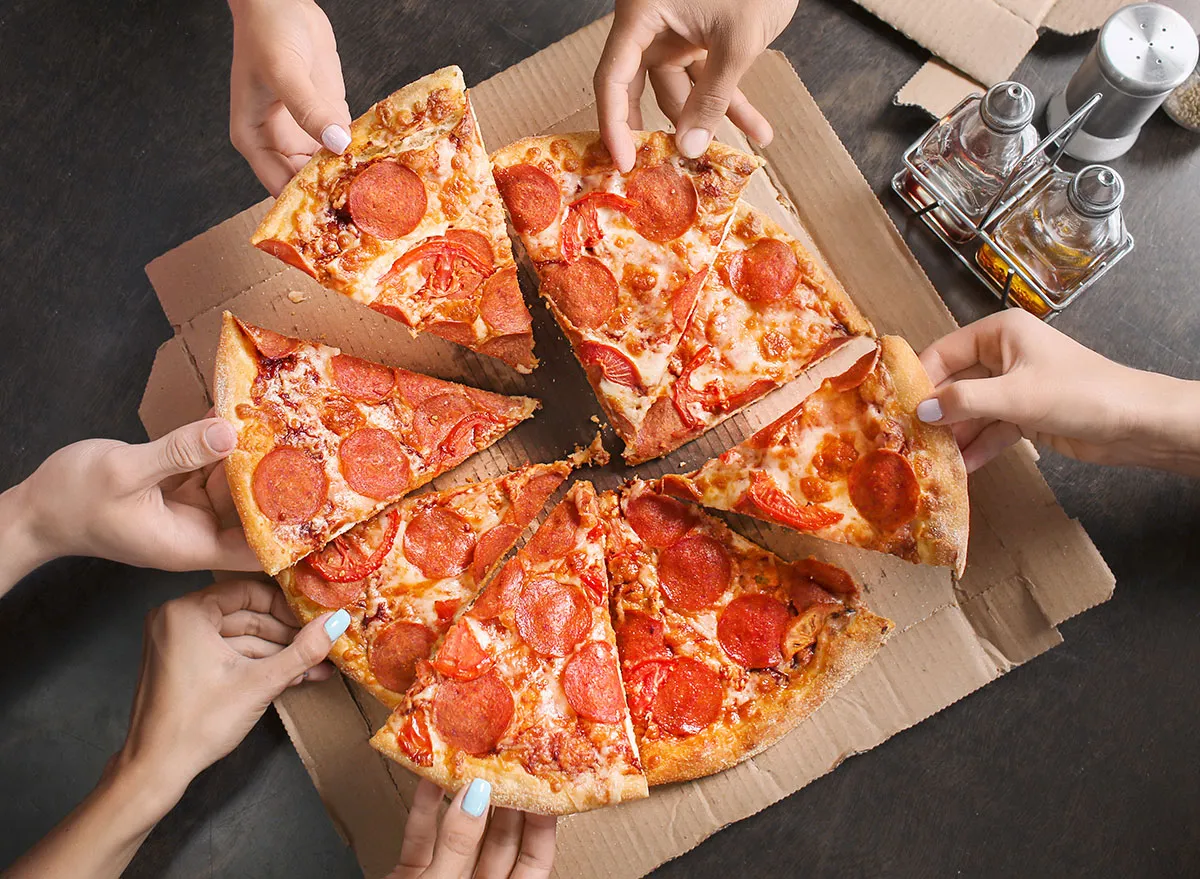
Whether you’re ordering room service, getting a meal for one, or eating at the local restaurant, food portions are getting larger.
The joke about pizza restaurants making salads orders from Family Guy comes to mind:
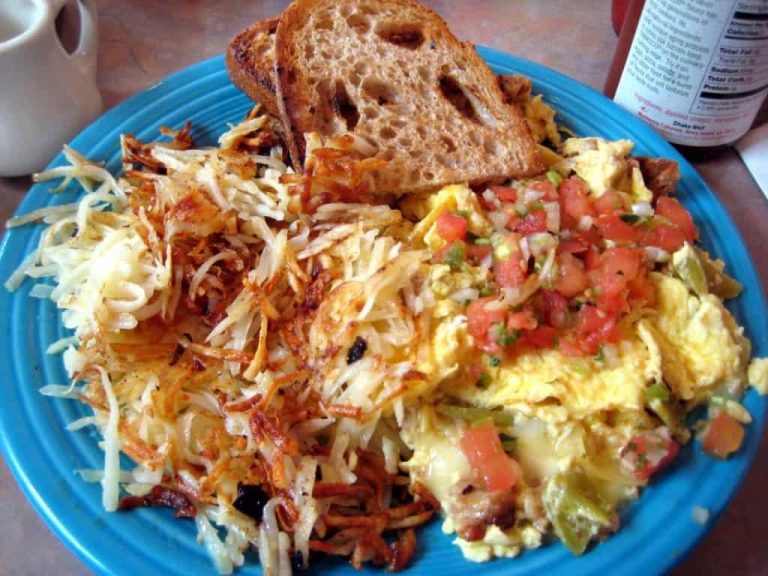
Prepared food from restaurants is often served on plates large enough for two people, easily doubling the number of calories for that particular meal. Choosing dessert after your entree would push you past your daily caloric intake.
Many restaurants still do not display servings sizes, which can mislead patrons into how many calories are being consumed.
In general, regularly eating food prepared outside your home can lead to unwanted fat gain.
With the power of today’s broadband internet and access to smartphones, we’re able to educate ourselves on dieting and nutrition information without the expertise of a licensed dietician or nutritionist.
With unhealthy food becoming more affordable over healthier options, portion control training is going to be needed to manage the obesity epidemic.
With nearly any diet you can think of, portion control will always have a higher priority over what kinds of foods you eat.
How to Use The Portion Sizing Method
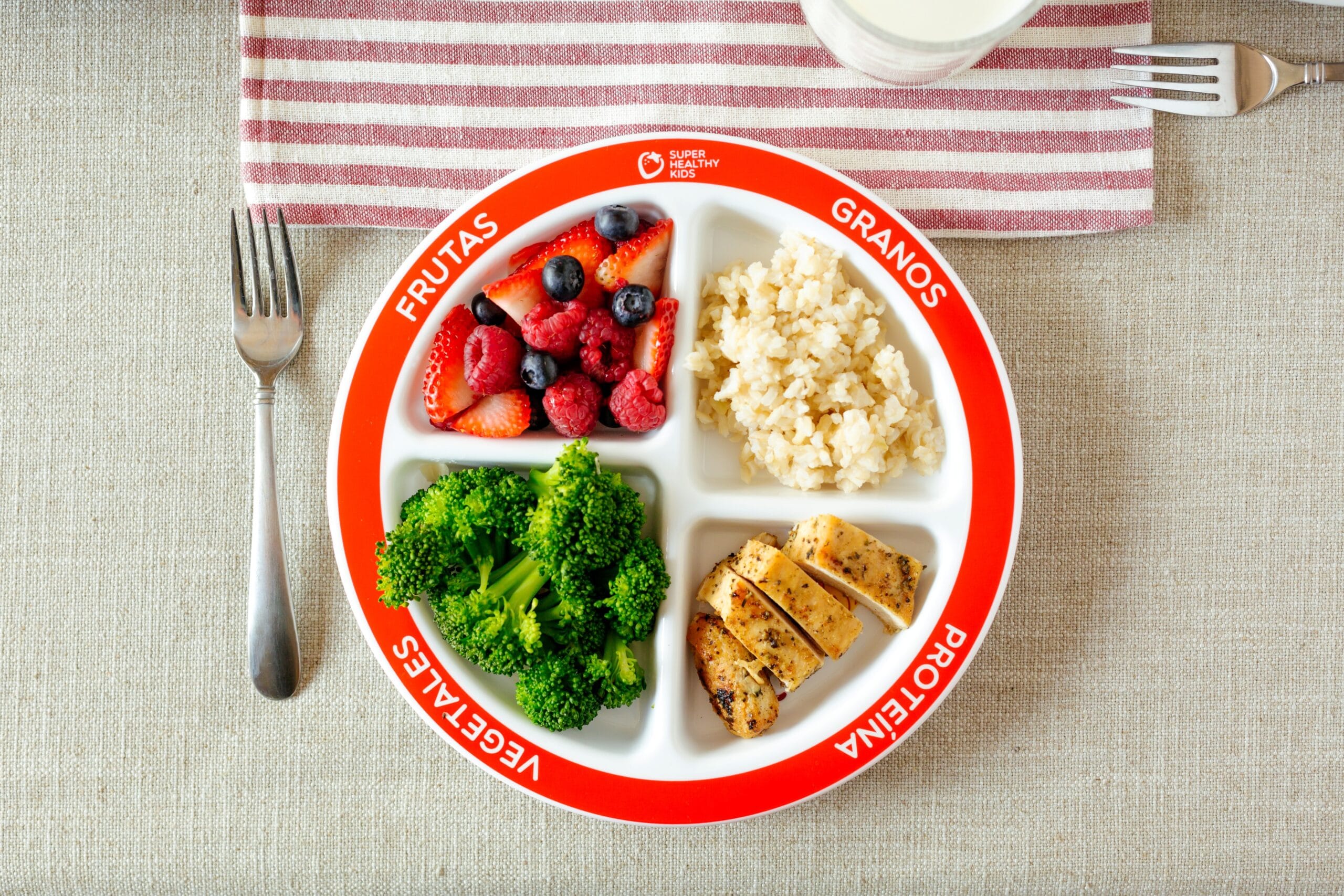
Before you can portion your food, you have to understand the basic food categories.
These are separated into either protein, carbohydrates, or fats
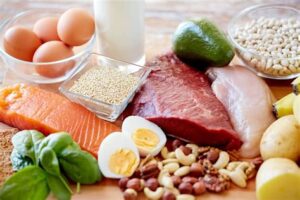
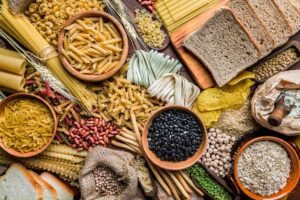
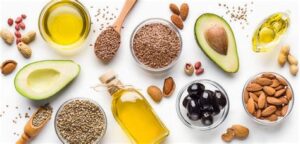
Now that we recognize the categories of food, we can associate the portion of food to a serving size. If we assign the food group serving to a sport object, it would help us calculate calories quickly:
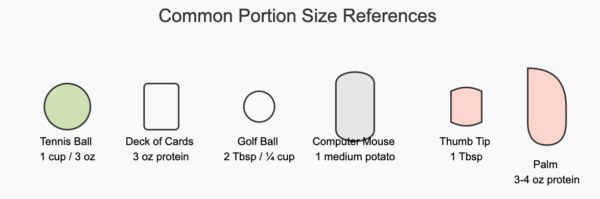
In the example above, carbs, fats, and protein are assigned to a sports object. You can rough estimate the amount of calories you consume by comparing the portion of food to the size of the sports object or your hand.
In the example above, a 3 oz. portion of meat can be compared to a deck of cards. If the portion of meat was twice the amount on the plate, that would be an estimate of two card decks or 6 oz of protein.
Estimating fats can be calculated by observing your plate for a fatty food (ex. cheese) and comparing the portion to size of your thumb. Each thumb tip sized portion is equal to 1 tablespoon.
Carbohydrates can estimated for serving size by comparing the portion to the size of a computer mouse, which is about the size of your palm.
Can you use visually cues to estimate the servings of food groups below?

Using visualization, you can use the sports cues to get a rough idea of how much you’re eating. When you look at the plate there two card deck amounts of steak (2 servings, 6 oz. protein), four computer mice amount of potato (4 servings of starch carbohydrates), and about 1 1/2 tennis ball portions of vegetables (1 cup of fiber).
Associating a sport object to portions of food can help you estimate your food calories when you don’t have access to a food calorie app.
Eating out often makes estimating calorie portions difficult, but can work wonders managing fat loss and controlling your appetite.
The Wrap Up
Portion sizes are still important to maintain excellent health and maintain lower body fat levels. When you feel like you’re gaining too much food from dining out, use visual cues to estimate how much food you need and what you should eat later. Keep practicing these visual cues until you get better with time.
What else do you want to know?
Why You Need To Have a Food Log
How 3-D Imaging Can Help With Fat Loss
How Much Protein Do You Need to Consume for Fat Loss?