
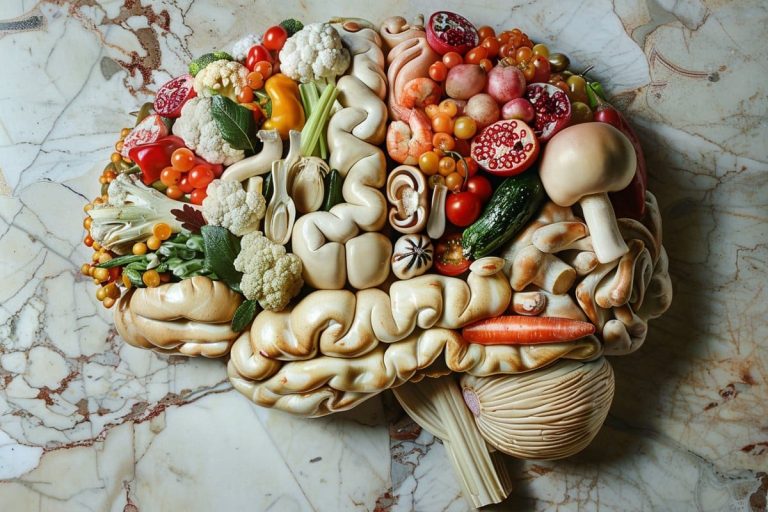
Food On The Brain
At any point in the day the brain sends powerful reminders of the next snack or meal that should be consumed. It can be kind of hard to determine whether these signals for food are really because we’re hungry or just craving food of a particular type.
Emotional eating is one form of consuming food based on negative or positive emotions, usually from stressors from the environment or a response to a stressful situation. Hunger gets confused for cravings because the two stimulate the same responses in the brain and can only be differentiated by observing your reactions these stressful situations.
Whenever you indulge on pleasurable foods, this sometimes can provoke feelings of guilt that causes individuals to binge or restrict themselves even further. This is the main reason why the confusion between appetite and cravings eventually leads to unhealthy lifestyles of food binging and irrational practices like the daily counting of calories.
Understanding why you experience hunger signals in the day can help you improve your relationship with food and keep unnecessary food binges from occurring when least expected.

Why You Experience Hunger During The Day
Hunger is stimulated by the body’s release of a hormone known as ghrelin, which is released in the stomach at the highest levels before mealtimes. After food is consumed, ghrelin levels are brought down to their lowest, which is when the body releases the hormone leptin to stimulate a feeling a fullness or satiety.
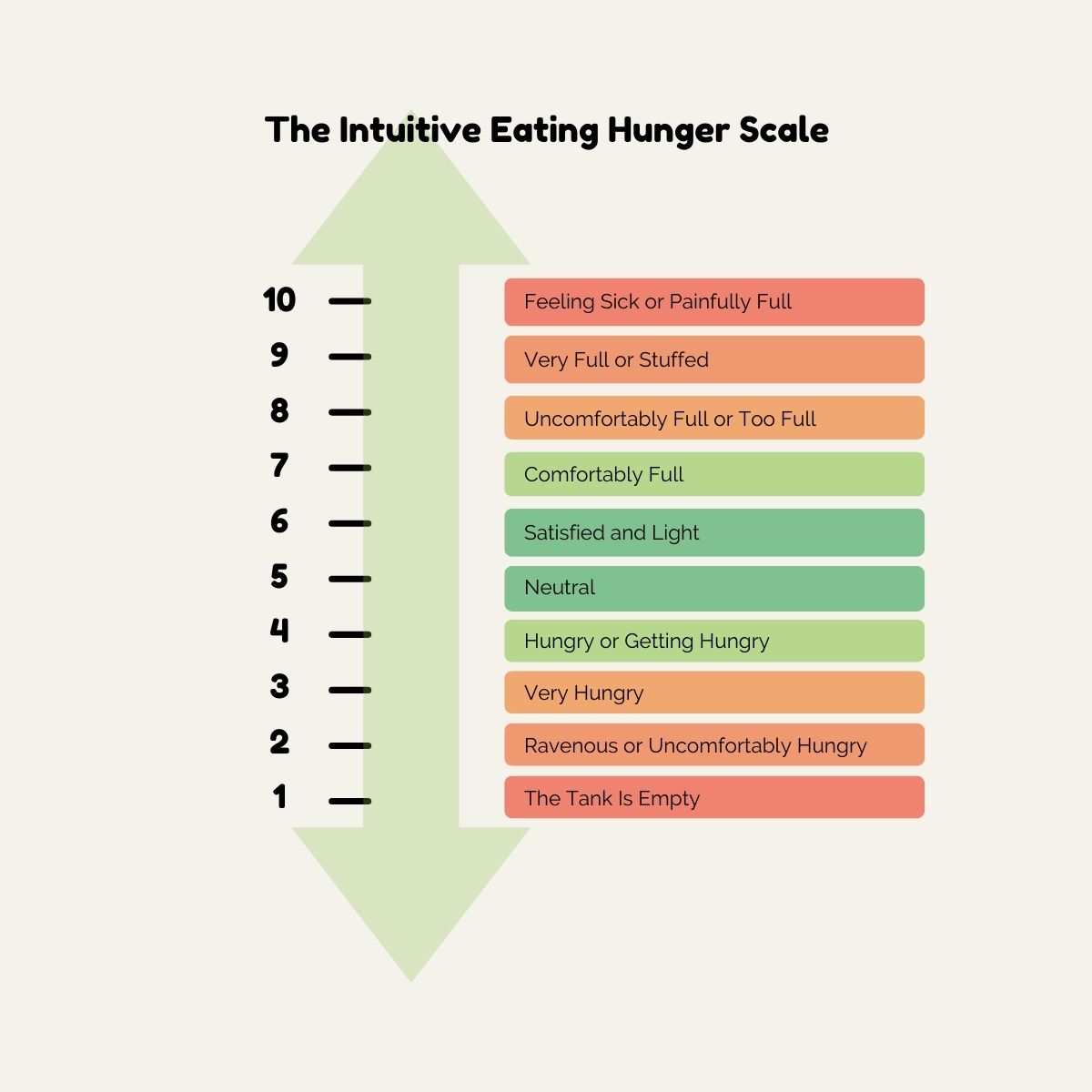
The feeling of hunger or fullness can vary on different levels, which can be identified accurately on the Intuitive Eating Hunger Scale. This scale ranks absolute hunger and complete fullness on a scale of 1-10 to assess hunger cues using one’s own judgement.
Knowing when to stop eating is just as important as knowing when to have that first meal to prevent feelings of low energy in the day. Being mindful of your body’s caloric needs is important as this prevents overindulging or hunger pangs that provokes unhealthy eating choices.
The foods rich in protein or fiber help maintain satiety throughout the day, which should always be part of well balanced meals that are consumed (see How to Prepare A Nutritious Meal). Maintaining high leptin levels to induce satiety will also be determined by the amount of rest and lowering stress levels in the daytime.
People often confuse the hunger that they experience in the day with their appetite for foods that induce cravings. The definition of hunger is a feeling of weakness or discomfort coupled with the desire for food.
Appetite is a desire to satisfy a physical or mental need due to emotional reasons, food cues, or mental restrictions. This is when the mind will stimulate food guilt, as its an indicator that the food consumed is not good for you or is not nutritious enough in value.
Coping With Hunger
There are times in the day when feelings of hunger come about unexpectedly or suddenly that are difficult to assess. Hunger cues are messages from the brain that shouldn’t be necessarily ignored, but may not indicate that you need to consume more food.
For example, the exposure to sunlight can block feelings of appetite in comparison to staying indoors for long periods of time. This is why overeating and food consumption is highest during wintertime months and during the holidays.
The speed of chewing and savoring meals is another factor that is neglected by many individuals consuming their meals during the day. When people are distracted during eating, this can steer them away from their natural hunger cues and cause overeating of extra calories during mealtime hours.
To avoid unnecessary hunger cues, try to consume food without the presence of television or electronic devices in your vicinity. Engaging in conversation with loved ones or low music in the background may be a better option if feeling hunger often is a problem.
Avoid fast food meals and snacks the home that stimulate cravings, as they will later stimulate addictive behaviors to crave similar foods. These foods stimulate dopamine pathways in the brain that create cravings that are hard to control the longer they’re continued.
The Wrap Up
Hunger and appetite is misconstrued often because of the relationship that we have attached to food. Sometimes hunger cues are necessary to ensure that enough nutrients are present in the body, other times we’re overindulging in food due to addictive cravings that have been developed over time. Maintaining a moderate amount of food in the diet starts with intuitive eating patterns and understanding the true difference between hunger and appetite.






One Response
Very interesting topic, regards for posting.