Dieting for Looks vs. Health
Improving physical appearance is a commonplace reason many people choose new diets to suit their lifestyle. If a diet can promise these results even more quickly than expected, it can become a phenomenon.
What makes most diets similar to others on the market is the emphasis on food quantity, whether it’s necessary to analyze calories, macronutrients, or portion sizes.
It’s well established that the net energy balance of calories is the most important factor in losing weight or burning fat, so this becomes the top priority among the many variables of weight management.
When food quantity is prioritized, the quality of the diet is often neglected, or misleading information is provided that can confuse dieters.
Deceiving consumers is not always intentional, but without a proper understanding of nutrition and the human body, any diet can be unhealthy in the long term.
The Deception Behind ‘Healthy Eating’
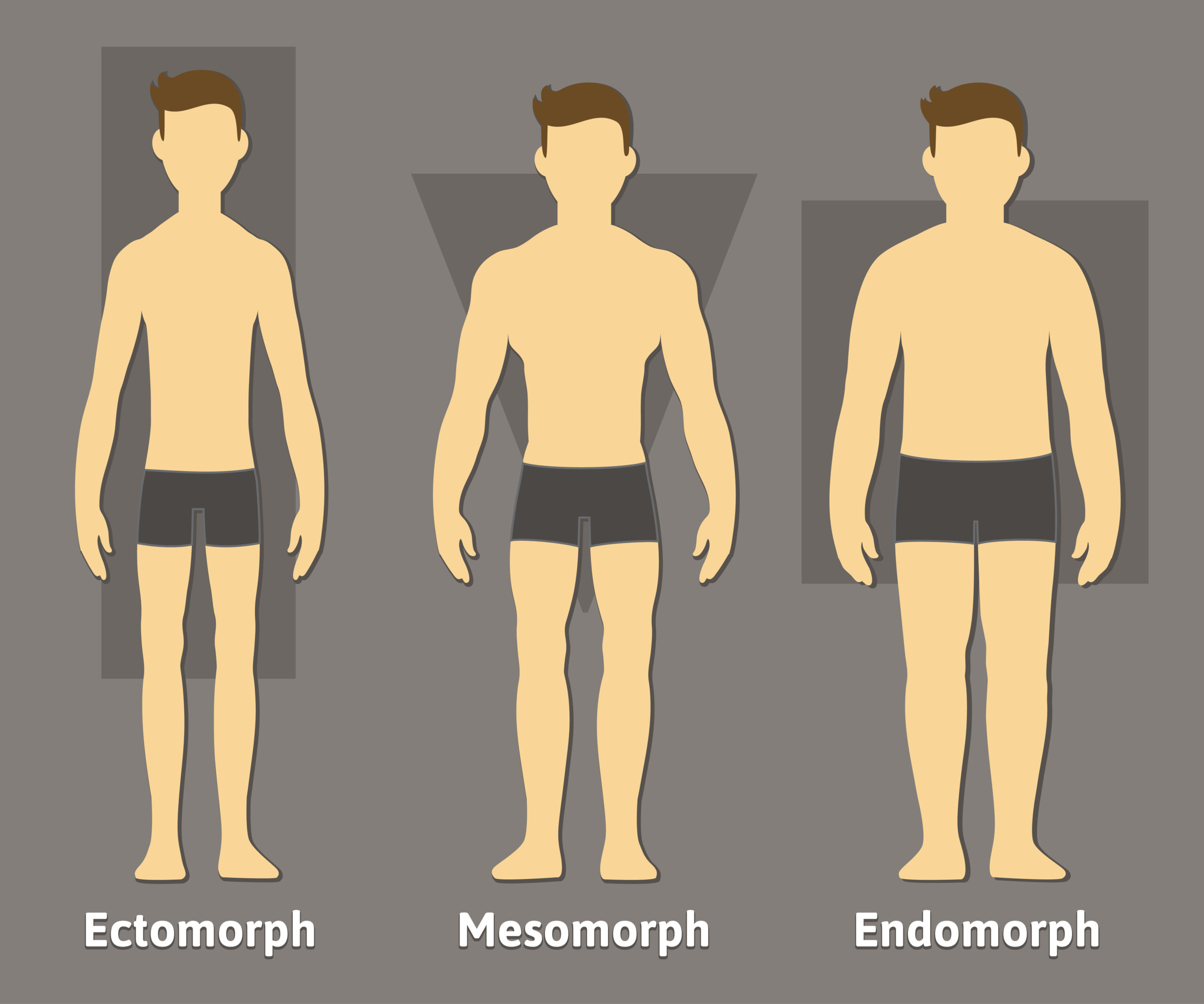
The term ‘healthy’ is broad, as it can be used in many different contexts. Someone can be healthy based on outward appearance, as measured by BMI (body mass index), a medical professional’s diagnosis, or the daily choices an individual makes regarding their diet.
Health is defined as freedom from disease and pain, so the decisions we make daily should lead to optimal health. This means we should be free from internal issues that cause poor health, such as digestive and inflammatory problems, hormonal deficiencies and imbalances, or poor-quality sleep.
Foods that promote good health are typically organic (pesticide- and herbicide-free), non-GMO, nutrient- and mineral-rich, satiating, and low in insulin response.
Guidelines of a Typical Trendy Diet
Trendy diets tend to attract individuals seeking novelty and simple concepts that deliver results quickly. Regardless of the diet’s extremity, the main focus is usually on rapid weight loss.
Following the food principles of energy balance, most of these diets work in the short term and become popular because of the wide range of testimonials. The main problem with many of these diets is the foods that are not restricted, which can lead to long-term health problems.
Foods and additives that create these health issues are processed vegetable oils, preservatives/chemicals, artificial sweeteners, and nutritionally/mineral-deficient foods (processed foods). These foods are usually included in the diet because of their low-calorie or sugar content and can therefore be marketed to consumers as ‘healthy’.
Some of these diets also have high carbohydrate macros, higher than amounts recommended in the Standard American Diet. Trendy diets typically encourage frequent eating throughout the day to boost metabolism and prevent dieters from binging.
One consequence of following guidelines like this is an impact on the body’s fat-storage hormone, insulin. Whenever food is consumed, insulin is released to shuttle nutrients to the cells and keep blood sugar levels low.
Individuals who frequently consume high-carb meals throughout the day become carb dependent, which can lead to mood swings from low blood sugar levels after spiking insulin.
Frequent eating throughout the day has a minor effect on TDEE (total daily energy expenditure), but it can encourage insulin resistance and visceral fat accumulation over time.
Insulin resistance is the main precursor that leads to metabolic syndrome (high blood pressure, stroke, diabetes, and atherosclerosis) and impedes long-lasting good health that we strive to maintain.
The Wrap Up
Diets that can promise you fast or guaranteed weight loss results can be damaging to long-term health if you’re misinformed about nutrition. There is a lack of education about the quality of the foods we consume regularly, and many popular diets fail to address this. Doing a little research before trying any diet that may interest you can go a long way and spare your long-term health.