
Building A Business Mindset In Fitness
Health entrepreneurs and career-changers drawn to coaching, nutrition, fitness, or holistic support often feel the pull from passion to profit. The tension is real: starting health-based businesses can feel meaningful one day and overwhelming the next, especially when wellness industry challenges like crowded markets, unclear positioning, and emotional labor show up fast. Many people want health and wellness careers that pay well, but they also want work that stays sustainable and aligned with their values. With the right focus, a clear business direction can replace guesswork with confidence.
Quick Summary: Build Your Health Business
● Clarify your target market so your health offer solves a specific, real need.
● Create a simple business plan that guides your services, pricing, and next steps.
● Choose marketing strategies that reach your ideal clients and build trust over time.
● Explore funding options early so you can launch, operate, and invest in growth.
● Focus on practical growth tactics that strengthen your foundation before you scale.

Build an Investor-Ready Health Business Plan
This process helps you turn a health or wellness idea into a simple, investor-ready business plan framework you can actually finish. It matters because a clear plan reduces guesswork, helps you price confidently, and makes funding conversations much easier.
1. Define your customer segments
Start with 2 to 3 specific customer groups you want to serve, such as “busy parents with stress” or “active adults managing joint pain.” For each segment, write their main goal, biggest frustration, where they currently look for help, and what they can realistically pay. This keeps your plan grounded in real people, not vague “everyone” marketing.
2. Run a simple market reality check
Use quick tools like a basic competitor scan, 10 informal interviews, and a shortlist of trends you see in your community and online. A practical market analysissummarizes what customers want, who else offers it, and why your approach will stand out. Capture your findings in a few bullets so they are easy to defend later.
3. Shape your wellness offerings into clear packages
Choose one “starter” offer, one “core” offer, and one “premium” offer, and name the outcome each delivers in plain language. List what is included, how long it takes to deliver, and what a client gets by the end. Simple packages make it easier to market, sell, and predict your workload.
4. Map operations from first inquiry to follow-up
Write a one-page workflow: how people find you, how they book, how you deliver the service, and how you keep them coming back. Add the essentials you will need to run it, such as tools, space, software, partners, and basic policies. Strong execution matters because investors prioritize three key areas including operational roadmaps that can handle change.
5. Draft basic financial projections and stress-test them
Estimate monthly clients, average price, and direct costs, then calculate revenue, expenses, and what you take home. Build two extra scenarios: a “slow month” and a “better-than-expected” month, so you know what breaks first and what to fix. This turns your idea into numbers you can explain with calm confidence.
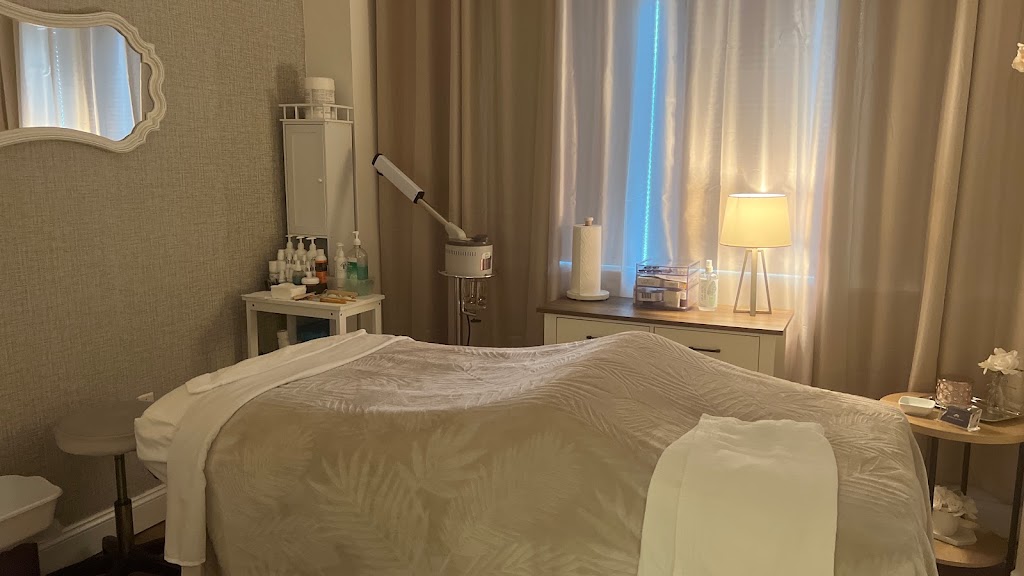
Open a Skincare Studio: A Real Wellness Service Business Path
Starting an esthetician studio lets you turn a genuine interest in skin health and personal wellness into work that matters, helping clients feel more confident and supported through professional skincare services. The experience you create is shaped heavily by where you practice and how the space is set up, which also affects your ongoing operating costs. That’s why choosing a location isn’t just about convenience or aesthetics; it’s about finding a space that aligns with state requirements and protects your clients.
Before you commit to a lease or build-out, make sure your space can meet regulations around plumbing, ventilation, cleanliness, and sanitation, since these are often tied directly to licensing and inspection standards. If you want a focused overview of what goes into setting up an esthetician studio, it can help you connect the client experience you envision with the practical realities of compliance and cost. With the studio foundation in mind, it becomes easier to think through what the first stage of launch looks like and how you’ll move from opening day into steady growth.
Plan → Launch → Market → Improve
This workflow turns a passion-led idea into steady action by cycling through setup, outreach, delivery, and improvement. It matters because health businesses grow fastest when you repeat the basics consistently, instead of reinventing your plan every month.
| Stage | Action | Goal |
| Clarify structure | Choose entity type, insurance, pricing, and basic policies | Clear boundaries and reduced risk exposure |
| Build your runway | Set budget, tools, and simple funding plan | Cash flow to support the next 90 days |
| Fill the calendar | Pick one channel, publish weekly, follow up daily | Reliable lead flow and booked appointments |
| Deliver and document | Provide the service, track outcomes, ask for feedback | Better results and a repeatable client experience |
| Review and adjust | Audit numbers, refine offers, automate one step | Higher margins and less operational friction |
The stages reinforce each other: structure supports delivery, delivery creates proof, and proof improves marketing. If you add technology, add it to remove one bottleneck at a time, not to complicate the work.
Common Questions About Starting a Health Business
Q: What credentials do I actually need to start helping clients?
A: It depends on your service and where you live, so start by listing exactly what you will do and what you will not do. If you are not a licensed clinician, stay in education, coaching, fitness, or wellness support and avoid diagnosing or treating. When in doubt, ask your state licensing board or a healthcare attorney for a quick clarity check.
Q: How do I stay compliant without getting overwhelmed by regulations?
A: Keep it simple: use clear informed-consent language, a privacy routine for client information, and documentation standards you can repeat. If you collect health details, choose secure tools and limit access to only what is necessary. Make compliance a monthly checklist item so it becomes routine.
Q: Can I start small without hiring a team right away?
A: Yes. Many owners begin as nonemployer firms so you can validate demand before adding payroll. Use contractors only for specific tasks like design or bookkeeping.
Q: What are realistic ways to fund my first few months?
A: Start with a lean budget, a pre-sale or founding client package, and a separate business account. If you borrow, borrow for revenue-producing basics like insurance, a simple website, or equipment you will use weekly. Track cash weekly so you can adjust quickly.
Q: How should I market health services if I do not want to waste money on ads?
A: Begin with one trust-building channel: helpful content, workshops, or referral partnerships. The average click rate for health-related Google Ads is 6.11%, so many beginners do better with consistency and follow-up than with big ad budgets. Ask every happy client for a short testimonial and one referral.
Q: When demand rises, how do I scale without burning out or losing quality?
A: Raise prices gradually, add a waitlist, and standardize your intake and follow-up steps first. Then expand with a second offer like small groups, memberships, or digital support so your calendar is not the only growth lever. Protect your delivery time by batching admin and automating just one repeat task at a time.
Turn Your Health Passion Into a Business by Starting Small
Starting a health business can feel like a tug-of-war between caring deeply and fearing the messy details, credentials, compliance, funding, and finding clients. The steady path is to pair purpose with simple goal setting for startups: stay clear on who you serve, build trust, and take consistent steps that strengthen entrepreneurial motivation. Do that, and building confidence becomes part of the process, opening more health industry opportunities and a real shot at success in health business. Pick one small step, do it this week, and momentum will follow.