
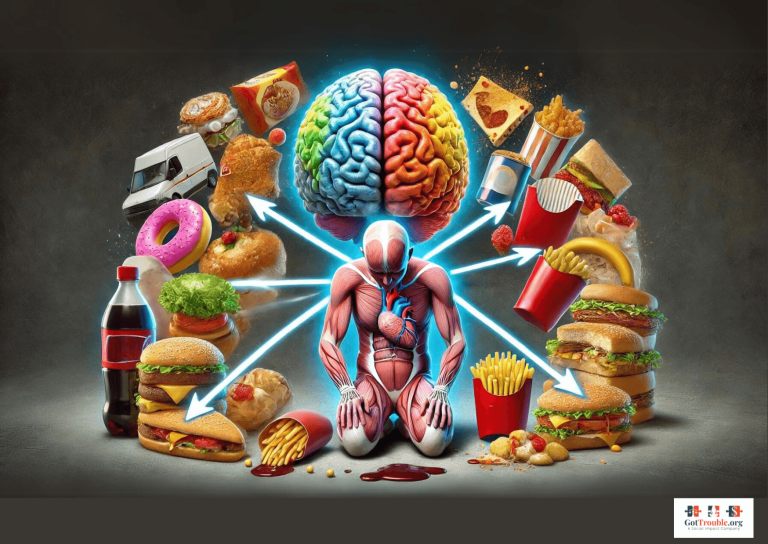
Unhealthy Relationship With Food
For many people, eating is a pleasurable and rewarding experience that can temporarily take their mind off their current situation. We have set meal times to eat throughout the day (breakfast, lunch, or dinner) and sometimes small meals in between when we’re on the go (snacks).
This pattern of eating food frequently throughout the day is a fairly new concept, as humans in the past never had 100% access to their favorite foods/snacks. Food processing technology has become so advanced that more and more long-lasting junk food can be served to the masses whenever they desire.
All of these factors are contributing to the steadily growing metabolic disease problem that is growing rapidly in the world each passing year. By 2045, 1 out of 2 people will have diabetes, and the shrinking quantity of medical professionals in the industry will not make this problem go away any faster.
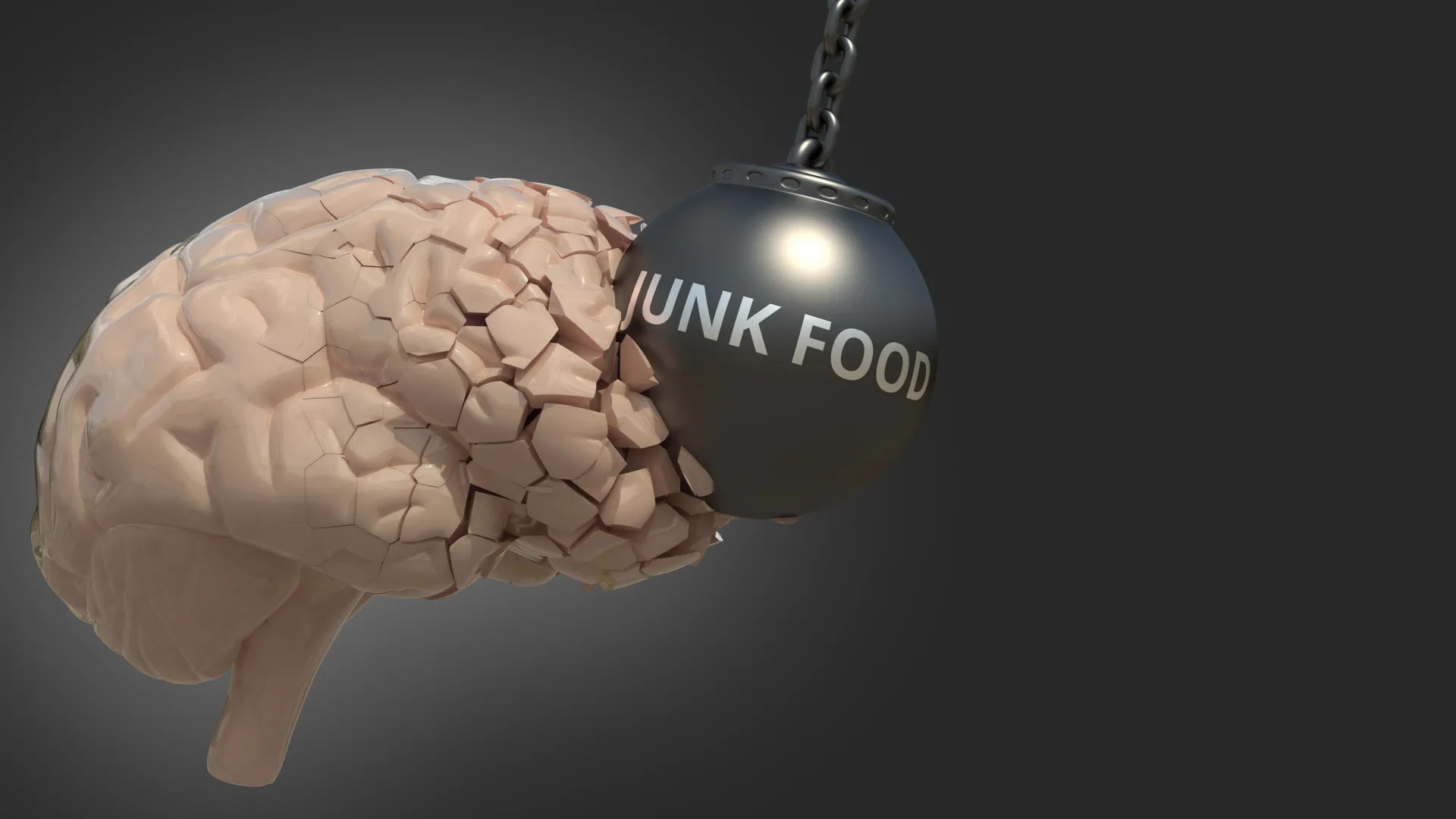
The overconsumption of food is actually a real disease and a dangerous addiction that can spiral out of control without anyone noticing until it’s too late. Before you self-sabotage and ruin your health, you should identify if you have any bad habits concerning your relationship with food.
The Top 6 Signs You May Have a Food Addiction

Late Night Eating Close to Bedtime
Do you consistently have digestion problems after eating your last meal for the day? Experiencing heartburn, stomach bloating, nausea, insomnia, or frequent trips to the bathroom at night?
Eating large meals close to bedtime is usually the culprit behind stomach and digestive problems, yet many people fail to recognize this bad habit. Depending on what your dinner consists of, the macronutrients in your food take varying amounts of time to be broken down into nutrients, then distributed and absorbed by the body’s cells. Certain macronutrients, like protein, require more enzymes and take longer to break down in the stomach.
This habit eventually leads to weight gain because the food is being digested when your body is ready to wind down and rest. The parasympathetic system activates hormones that signal the body to store food as fat, since it will not need those calories for any activity at rest.
Impulse Eating Food/Unexpected Eating
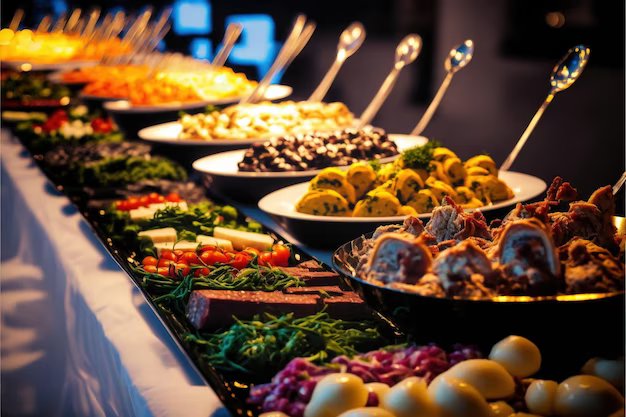
Anyone leaving their home for any reason will eventually encounter restaurants, fast-food chains, street vendors, or other dining establishments that pique their interest at some point in the day. Remaining disciplined and resisting the urge to eat something you know you shouldn’t is another story altogether.
Falling victim to an occasional food urge isn’t the worst thing in the world; it’s just a habit people often feel guilty about admitting. When you habitually do this, you spend money on food you didn’t plan to budget for and consume extra calories that aren’t part of your diet. The consequence of this lifestyle habit is yo-yo dieting, where you unexpectedly gain weight and have to spend extra months getting rid of the excess.
Eating More Than 50% in Processed Food
To have a nutritious meal, one would have to prepare a plate of food from animal and/or plant sources grown in nature. That means this meal would have to be prepared using one of many cooking methods or as close to its raw form as possible to preserve the most vitamins and minerals (see How to Prepare a Nutritious Meal).
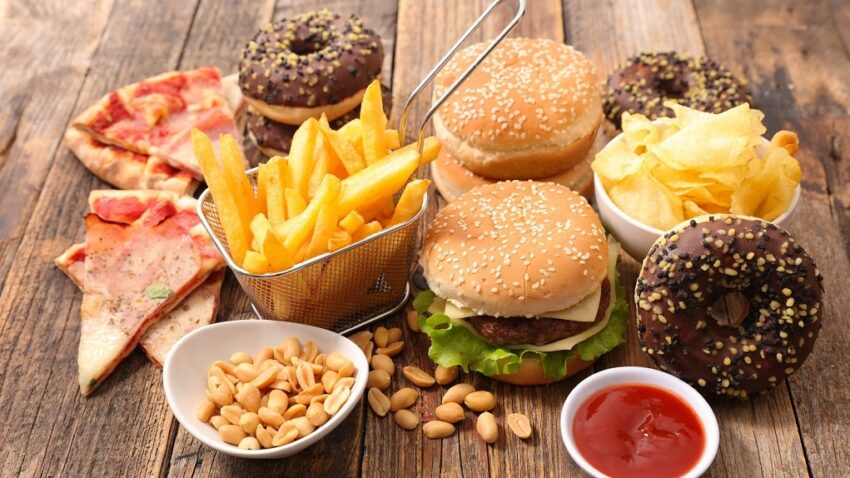
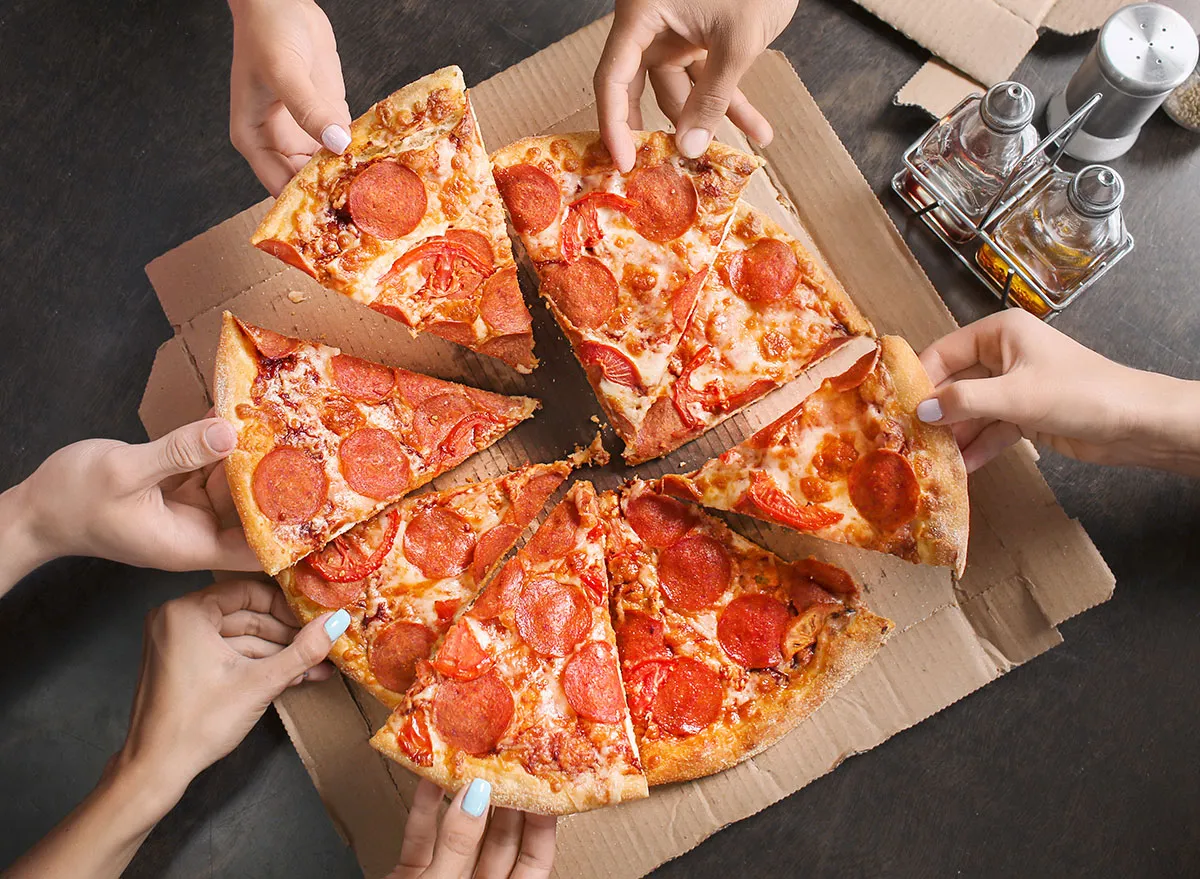
The habit for a majority of people living busy, working lives is to buy their food from fast-food restaurants or frozen meals that can be made in minutes and heated in a microwave. If you’re doing any of this, this is a food addiction that stems from convenience rather than health. Processed foods are highly palatable and release more dopamine, making it harder to eat foods that are better for your body. Quick meals save time, but cost you dearly if you continue them for too long.
Not Having A Weekly Meal Plan
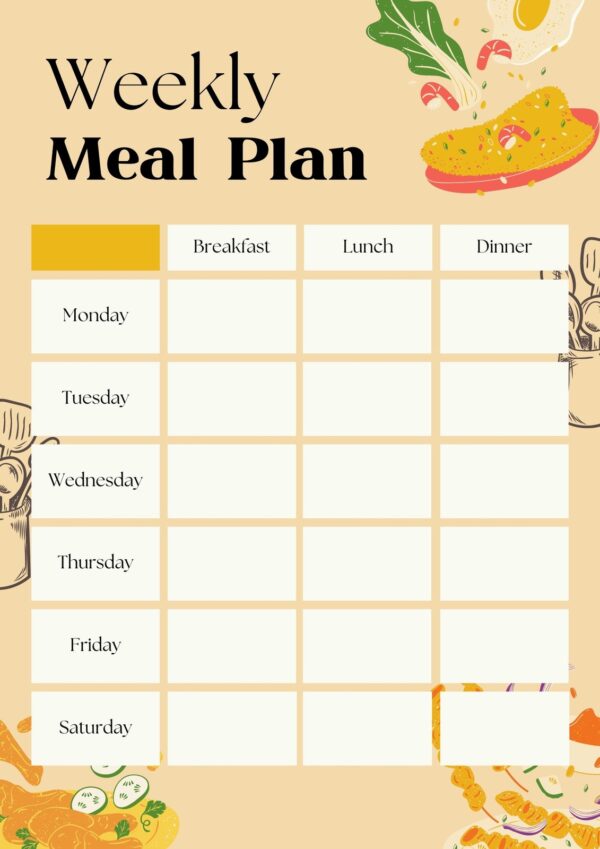
Not having a plan is an automatic plan to fail in almost any sense. Sporadically eating when you like, whatever you like, each week will result in disappointment when you look at yourself in the mirror or step on that dreaded bathroom scale.
Meal planning takes effort, commitment, and real work to organize meals you can actually enjoy and that help you obtain/maintain your ideal physique. It also removes the guesswork of finding something to eat each day and leaves you with enough leeway to play with the variety of foods you want to eat each week/month.

Constantly Eating Out At Restuarants
Unlike eating at home, restaurants are usually more enticing because they offer an atmosphere and service that many people feel are worth paying extra for. It can be worth the money if the food is good and you want to come back as a lifetime customer.
While regular restaurant dining is not the worst habit to have (especially when you travel often), dining out comes with the hidden cost of the ingredients used in what’s served. Do you know what kind of cooking oil was used to sauté, fry, or bake the dish on your plate? How fresh were those ingredients?
Not only is frequent restaurant eating questionable, but the portion sizes are much larger than what would be prepared at home because of that establishment’s profit margins. The restaurant knows that higher prices have to justify the amount of food on each plate, which means you may be eating more than necessary because of the restaurant owners’ objective (see How to Use The Portion Sizing Method).

Drinking High Calorie Drinks Throughout The Day
It’s easy to consume 4-5 non-water beverages in a day and not realize how many extra calories you’ve taken in without eating a single meal. Starting your morning with coffee, tea, orange juice, or other drinks is normal for everyone; however, the amount of drinks consumed in the day is rarely thought of as calories. Most beverages, including fruit juices, have way too many additional sugars for the volume of liquid that you’re consuming.
Consuming sugary beverages throughout the day can raise blood glucose levels, which can eventually lead to insulin resistance. Once an individual is insulin resistant, it’s much easier to become prediabetic, and absorbing other nutrients and minerals will become more difficult as well. This can affect the body in many ways over the long term.
Beating Food Addiction
People can become addicted to different varieties of food; the mental relationship between yourself and food is what matters. Without identifying the mental aspect of your eating habits and just trying to find ‘healthier’ food options, you will waste years trying to find the perfect diet for yourself (see Why Changing Your Diet is Irrelevant).
The mind determines our daily choices for the body, and an unconditioned mind will always make more bad choices than good ones. An individual who prioritizes health will need to work on their mind consistently to keep making healthy choices without relying on sheer willpower each day.
The first modality is fasting, as fasting is the temporary elimination of all food from the body to perform several functions that can only occur without the presence of food (see The Benefits of Intermittent Fasting). Fasting, along with meditation, produces a state of mindfulness that can create clarity and help you sense your emotions without thinking about food.
Just the very act of not eating will produce different thoughts, and thinking about food all day will eventually subside with practice and time. After introducing meditation and fasting, learning about the benefits of yoga will be another level of detachment that your mind has never experienced. Stretching the body with various yoga movements can activate muscles that are not used often, which is beneficial for deep relaxation or relieving stress that can lead to unnecessary eating.
The Wrap Up
Eating for pleasure is what many people have grown accustomed to, with the common times to eat every single day. Many of the food cues have become dangerous habits that cause one to self-sabotage without the individual realizing it until it’s too late, many years later. By identifying poor lifestyle choices early, you can prevent a health crisis and ensure you’re on track with your fitness/health goals.





3 Responses
Of course, what a great website and informative posts, I will bookmark your blog.Have an awsome day!
very good post, i certainly love this web site, carry on it
I started writing down one thing at the end of every day — what I actually managed to do. Not a to-do list, not plans. Just one small win. It’s surprising how quickly it shifts your perspective.