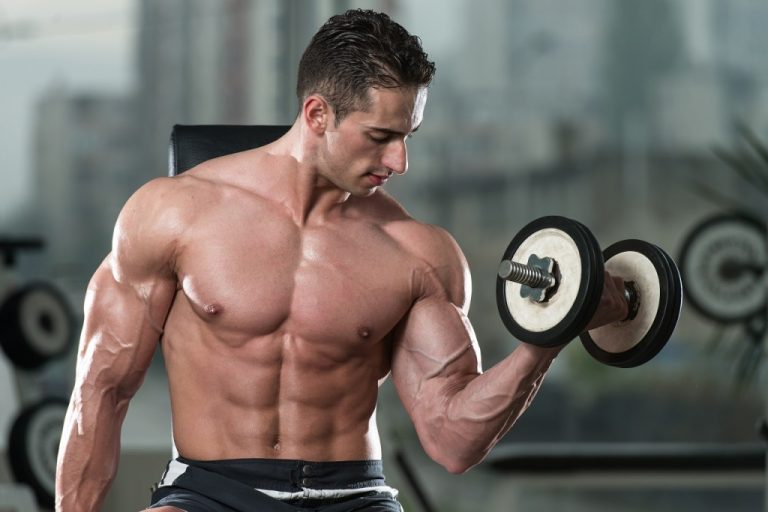
Building Strength
Truly dedicated weightlifters all have someone or something in our lives that motivates us to work out a little harder.
Competing with someone who’s much further along can demotivate anyone, but the biggest competition is really ourselves. Exercising on your own forces you to make improvements without looking to anyone else for encouragement.
Progressing in strength should be one of your main goals, as increases in strength are one of the primary indicators for muscle growth.

What Is Progressive Overload?
Progressive overload is the gradual increase in the stress placed on muscles during exercise to increase muscle size. The purpose of this method is to induce sufficient muscle breakdown to force our muscles to grow larger.
Overloading your muscles is not limited to heavy weights; progressive overload can also result from increasing repetitions, reducing rest periods, or altering the tempo of your exercise (see How to Increase Your Workout Intensity).
Muscles can be further stimulated by increasing workload volume. Volume refers to the total amount of repetitions and the combined resistance moved during each set.
For example, an alternative for someone looking to train with an injury or avoid lifting dangerously heavy weights is to adjust the volume of the workout. If the workout volume is already too high, you can remove the number of sets or perform alternative exercises around the injury.

As you progress your workouts, aim for very slow, incremental growth over time.
Slow growth is better than fast growth because it’s easier to track over time.
If you progress too quickly, you’re likely to suffer from an imminent injury from training with weights that are too heavy. This is likely to occur if you’re adding more than 10% to your lifts each week.
It’s common to notice that, over time, strength doesn’t always go up week after week with every exercise. Every so often, your strength will plateau, but this will be temporary as your muscle fibers adjust and grow over the course of your training.
To celebrate your progress and stay on target for your strength/muscle goals, review the previous week’s work and look forward to new opportunities for growth next week.
Progressive Overload Goals
A slower, steadier approach over an extended period is the best approach for weightlifters. It’s better to work hard for results you can keep than to have to diet every summer to lose unwanted fat.
Your growth in strength should be based on something clear, like your strength numbers. Everyone starts as a novice and eventually progresses to elite levels of strength.
The breakdown in weight-lifting levels goes as follows:
Beginner, intermediate, and elite.
The three levels of training are all based on your power numbers.
Here are the targets for each level of strength for males:
Novice
Bench Press – 1.2 x body weight Deadlift – 2 x bodyweight Chinups – 1.2 x body weight
Intermediate
Bench Press – 1.5 x body weight Deadlift – 2 x body weight Chinups – 1.5 x body weight
Elite
Bench Press – 1.8 x body weight Deadlift – 3 x body weight Chinups – 1.8 x body weight
Advancing from novice to elite strength levels isn’t determined by luck or genetics; you just have to maintain enough consistency over enough time to build elite levels of strength.
Progressing to intermediate levels of strength can be achieved over 3-5 years of steady strength growth, and elite levels can be reached starting in years 7-10.
Elite levels of strength can demonstrate a weightlifter performing chin-ups 2x heavier than his body weight with ease! That’s insane.
Remember that those 7-10 years represent effective years of consistently following appropriate training methods, not merely spending time at the gym.
The Wrap Up
Progressive overload training stimulates muscle growth by gradually increasing resistance or workout volume. It takes several years to reach weightlifting goals at intermediate or advanced levels of strength, but you can ensure you reach these strength numbers by keeping a training log of all your workouts and meticulously tracking all your sets and repetitions.
What else do you want to know?
Why You Should Be Tracking Your Workouts
Ways to Increase Intensity in Exercises
Why Compound Exercises Are Better Than Isolation Exercises?
What Should Your Strength Goals On A Diet?