Blueprint For A Better Body
Building a defined, muscular physique is the byproduct of having perfect genetics, according to the average person’s expectations.
Building muscle is a simple concept, but the advice we receive from mainstream fitness magazines and novice weightlifters often sends people down the wrong path.
What misguides the sport of bodybuilding often is the finger-pointing about steroid usage or photoshopped photos of popular bodybuilders found online.
Instead of finding reasons to critique people in the fitness community that you’ve never met, a more constructive approach to bodybuilding should be a regular review of a training log to improve your results.
Why You Need To Track Your Workouts
Relying on memory for important daily tasks can be frustrating.
This is why some people need constant reminders around them, in the form of written Post-it notes or to-do lists that must be carried with them at all times.
Without recording tasks or accomplishments, an individual may feel powerless and develop an external locus of control, which means blaming outside factors for personal difficulties.
Having an internal locus of control is the opposite of this, as it gives a person a sense of control by regulating their activity and taking responsibility for their actions.
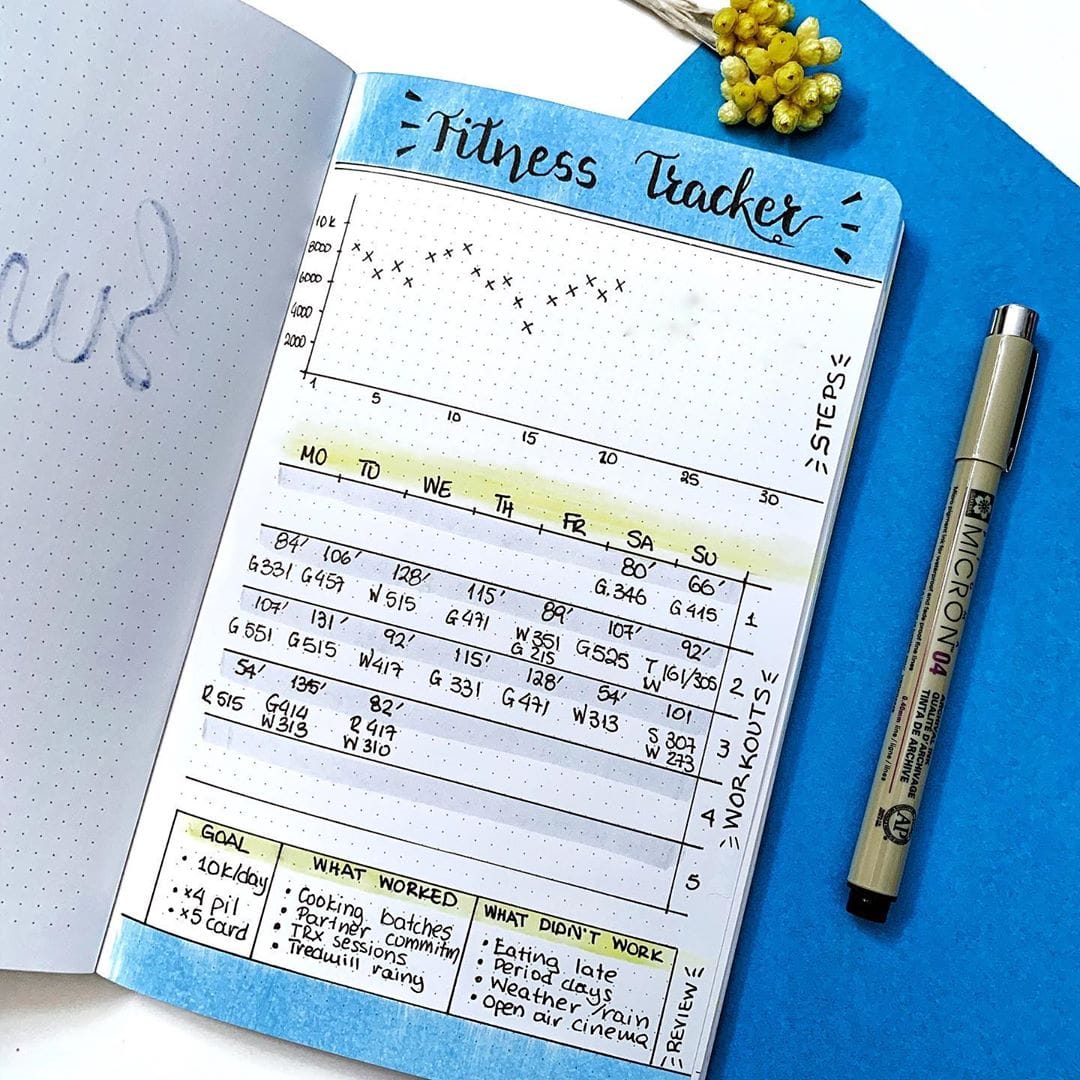
Keeping a written training log fosters an internal locus of control, helping individuals become aware of what they’re accomplishing and monitor their progress toward their goals.
An individual using a training log is more likely to succeed in bodybuilding than one without one.
Sports psychologists noted in studies that athletes with an internal locus of control were able to change their perception of poor results. Adjusting your locus of control can make profound improvements in your gym fitness goals and keep you motivated longer.
Create a workout journal to track your weightlifting progress. As you see gradual improvements, you gain confidence. Over months and years, you can reflect on the strength you have developed.
Keeping a workout log helps you notice when your weightlifting program needs adjusting, especially if you hit plateaus with muscle groups trained for months.
People may downplay your progress at the gym. Keeping a journal allows you to recognize your accomplishments and reinforces your commitment, helping you stay focused and resist negativity.
The Wrap Up
When starting a workout program, it’s important to keep a journal of your results for your benefit. Journaling saves years of trial and error at the gym, keeps you from getting discouraged, and can prevent you from plateauing on exercises that may no longer be effective. With enough time, you’ll find that journaling will place you leaps and bounds over others who may have an advantage over you.