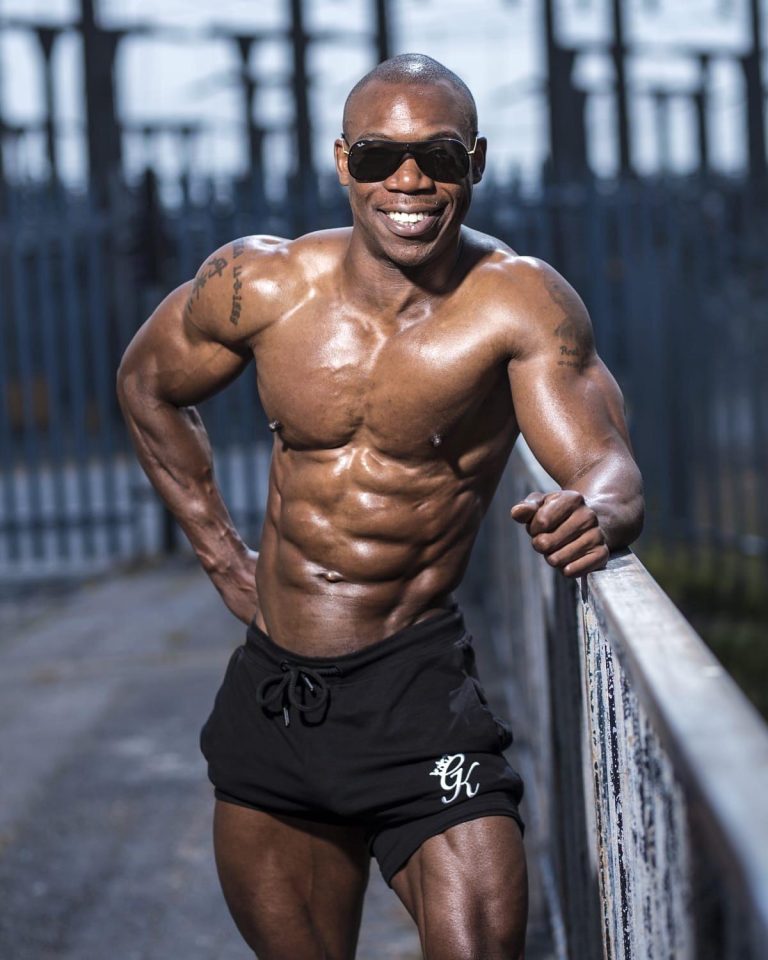
Showcasing Your Hard Work
Achieving low body fat levels contributes to high self-esteem and pride among individuals accustomed to a fitness lifestyle.
The general population will always admire and pay attention to the dedication required to achieve a phenomenal physique.
This is even more valid for those working in the industry, as professional models and bodybuilders have greater incentives to keep their bodies looking chiseled year-round throughout the year.
Dialing down to single-digit body fat levels showcases the hard work that went into the process of dieting and training. In addition, shredded physiques have a competitive advantage for influencers looking to establish/build their careers or gain mass appeal on social media platforms.
Physiques with low body fat levels are marketed so heavily that they’ve become today’s standard for males and females to achieve as their personal goals.
While this image has become the ideal, many fitness enthusiasts are not familiar with the health consequences of maintaining low fat levels for a period of time.
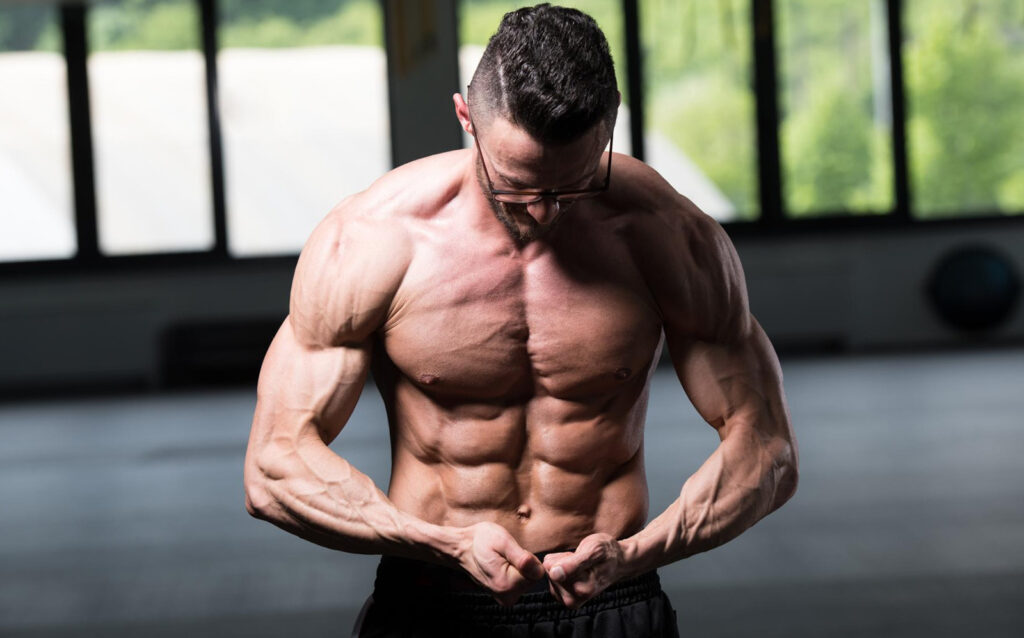
Hazards of Staying Shredded Year Round
In the fitness community, it’s common to hear descriptions of a person’s athletic build as ‘lean’, ‘diced’, or ‘shredded’. It’s another way of interpreting an individual’s lower-than-average body fat percentage (the average body fat level for males ranges from roughly 18-24%; for females, 25-30%).
While someone can be ‘lean’ under these percentages, males who have body fat levels under 10% and females under 20% would be described as being ‘shredded’.
At a certain point, you can differentiate being shredded with visible veins protruding throughout the body and muscle separation in stubborn fat areas.
As the body reduces its subcutaneous fat from a caloric deficit or expenditure through exercise, the body’s homeostasis has to adjust to keep functioning properly. This affects the hormones needed to handle the fight or flight response, metabolism, and androgen production.
The first hormone, cortisol, is released from the adrenal glands located on the kidneys. A caloric deficit stresses the adrenals, causing them to secrete additional cortisol.
Since cortisol is a catabolic hormone, it breaks down protein from muscle tissue for conversion to glucose. This is why it’s often difficult for natural bodybuilders to maintain higher levels of lean muscle while keeping body fat low.
The thyroid hormone, T3, regulates your metabolism and helps you keep weight off.
When you undergo metabolic adaptation to get a ‘shredded ’ look, your T3 levels are dramatically reduced, which affects other hormones in the body as well. One of these hormones, ghrelin, regulates your hunger levels and increases with prolonged caloric restriction.
For males, testosterone levels drop as the diet is modified to burn body fat. Stored cholesterol levels take a nosedive, and cholesterol is necessary to maintain healthy testosterone production in the testes and adrenal glands.
Low testosterone causes feelings of low energy, low libido, depressed mood, poor concentration, and/or poor quality sleep. Men who experience symptoms of low testosterone sometimes consult with endocrinologists for TRT (testosterone replacement therapy).
TRT can make lower body levels more attainable to maintain for long periods of time without losing too much lean body mass acquired from resistance training.
Optimal Timing for Getting Shredded
Very low body fat levels are not complementary to good health, but tracking these fat percentages may be beneficial for individuals with specific goals.
Getting into the best possible shape seems ideal for showcasing work, which is logical for photo/video shoots or stage competitions.
By cutting body fat to highlight your best possible physique during a peak week, you can realistically maintain it for a short period (see How to Get Photo Shoot Ready).
Bodybuilding competitions or photo shoot sessions are usually booked a few months in advance, which won’t put too much stress on a natural athlete’s or lifter’s body.
After peak week and a period of maintenance, another stage of growth can slowly reintroduced with a reverse dieting, where calories are slowly added week by week to maintenance level.
In addition, calorie expenditure from high-intensity or steady-state cardio can slowly be reduced each week. Doing so would not tax the central nervous system and would allow an appropriate time for rest and recovery.
The Wrap Up
It’s noble to achieve the ideal body fat levels marketed everywhere in the industry, but doing so for an extended period comes with consequences for your health. The ‘shredded look’ is attainable, but it should align with real personal goals that can be achieved over a short period of time. Overall, you should aim to maintain substantial strength and size while staying healthy for the rest of your life.