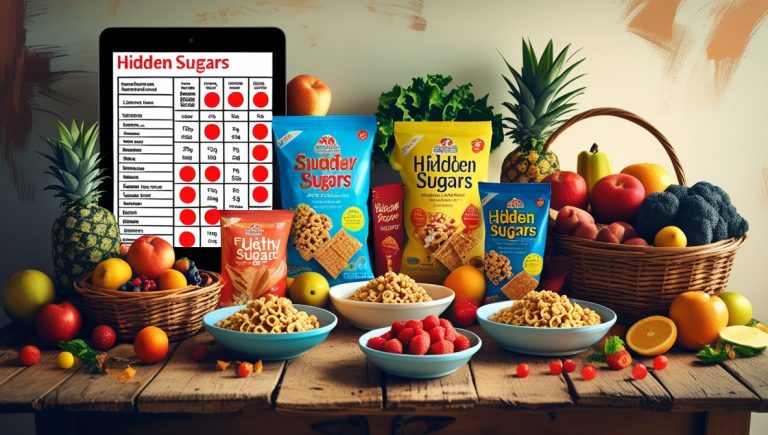
Misunderstanding About Sugar
Without looking at a food label, one would assume there are no unexpected ingredients in their favorite food. Surprisingly, there are additives within packaged foods that go undetected by taste, or if you’re unfamiliar with the product.
One of the most common additives is high fructose corn syrup, which is a liquid sweetener alternative to sucrose that is used in many foods and beverages. Some examples of these would be tomato sauces, canned soups, ketchup, fruit juices, ice cream, and pancake syrup.
High fructose corn syrup has also been substituted for sugar in beverages that once used sugar, such as Coca-Cola, which changed its formula to cut manufacturing costs. HFCS is a cheaper alternative to cane sugar and is easier to extract from the abundant corn supply in North America.
This higher prevalence of HFCS within the food supply is a concern from a medical and health standpoint, as high sugar diets are directly linked with chronic illness from metabolic syndrome. This includes higher cholesterol levels, elevated blood pressure, insulin resistance, and fatty liver disease.
Making high-fructose corn syrup as an alternative sweetener in foods has not been a health-conscious decision and has made just as much of a negative impact as the original sucrose sugar that was once used. Because this type of sugar is found in most foods on supermarket shelves, avoiding it would mean switching the types of food we enjoy regularly.

Why High Fructose Corn Syrup Is Just As Bad As Sugar
Sugar is not only commonly found in mass-produced, processed foods, but also in those grown in nature. Fruits have sucrose within them, which is composed of both fructose and glucose.
The major difference with sucrose found in fruits is that they are packaged with fiber, which helps lower the rate of glucose absorption into the bloodstream. Insulin responds to elevated blood glucose levels, but not nearly as quickly when there isn’t any fiber in the stomach.
Since fruits contain varying amounts of sucrose, they should be eaten in moderation when added to the diet, if at all. (See Does Eating Too Much Fruit Make You Fat?). Fruits provide nutrition in the form of essential vitamins and contain fiber that feeds good gut bacteria, which helps keep insulin levels low.
Keeping insulin levels low is important to prevent insulin resistance, a condition in which cells become unresponsive to higher insulin levels, requiring more sugar to enter the body’s cells. The result is the disease known as type II diabetes, which can worsen with time and cause major cellular damage in the body.
Another devastating effect of sugar is its impact on fructose metabolism. Fructose has to be broken down into glucose, which only occurs in the liver. The breakdown of fructose yields fatty acids and uric acid, both of which are harmful to the body.
Fatty acids, known as triglycerides, accumulate in the liver cells and never leave the organ until necessary. This results in NAFLD (non-alcoholic fatty liver disease). This condition can also occur from alcohol abuse.
Uric acid is the byproduct of fructose metabolism, which goes into your joints and causes inflammation. Uric acid also inhibits nitric oxide production, which helps dilate blood vessels throughout the body.
The higher presence of sugar in the stomach also creates an environment that his suitable for harmful bacteria, creating an imbalance in the trillions of microorganisms that reside in the gut. Symptoms of this imbalance include acne, irritable bowel syndrome (Chronic or Ulcerative Colitis), and oral infections (bleeding gums, tooth decay).
The Wrap Up
High fructose corn syrup and sugar are both prevalent in a wide variety of foods commonly eaten and have disastrous effects when consumed too often. Both sweeteners are digested similarly by the body, and responses within the body that affect long-term health. Whole foods that contain sucrose can be consumed in moderation; however, packaged foods should be avoided, and steer clear of high-fructose corn syrup when possible.