

All Work and No Rest Makes…
Many people admire those who work hard without considering the disastrous consequences when it’s taken to the extreme. Hustle culture is pushed on us heavily these days, and it’s easy to see this mindset in the gyms you attend anywhere.
Those who take their workout regimen seriously are usually in the gym at least 5-6 days per week, with some never taking a day off. This dedication to training stems from a real desire for more muscle growth and/or strength gains in their physiques.
What’s also real is cumulative fatigue, a phase that occurs when the body hasn’t had enough time for rest and recovery. At this point of fatigue, the progress the trainee has made in the gym is overshadowed by sheer exhaustion, and burnout is around the corner.
Burning out in the gym can lead to plateaus in strength or, worse, a crucial injury while training (see Why You May Lose Motivation to Workout). To avoid either outcome, it’s important that you learn techniques that will help you rest and recover optimally whenever possible.
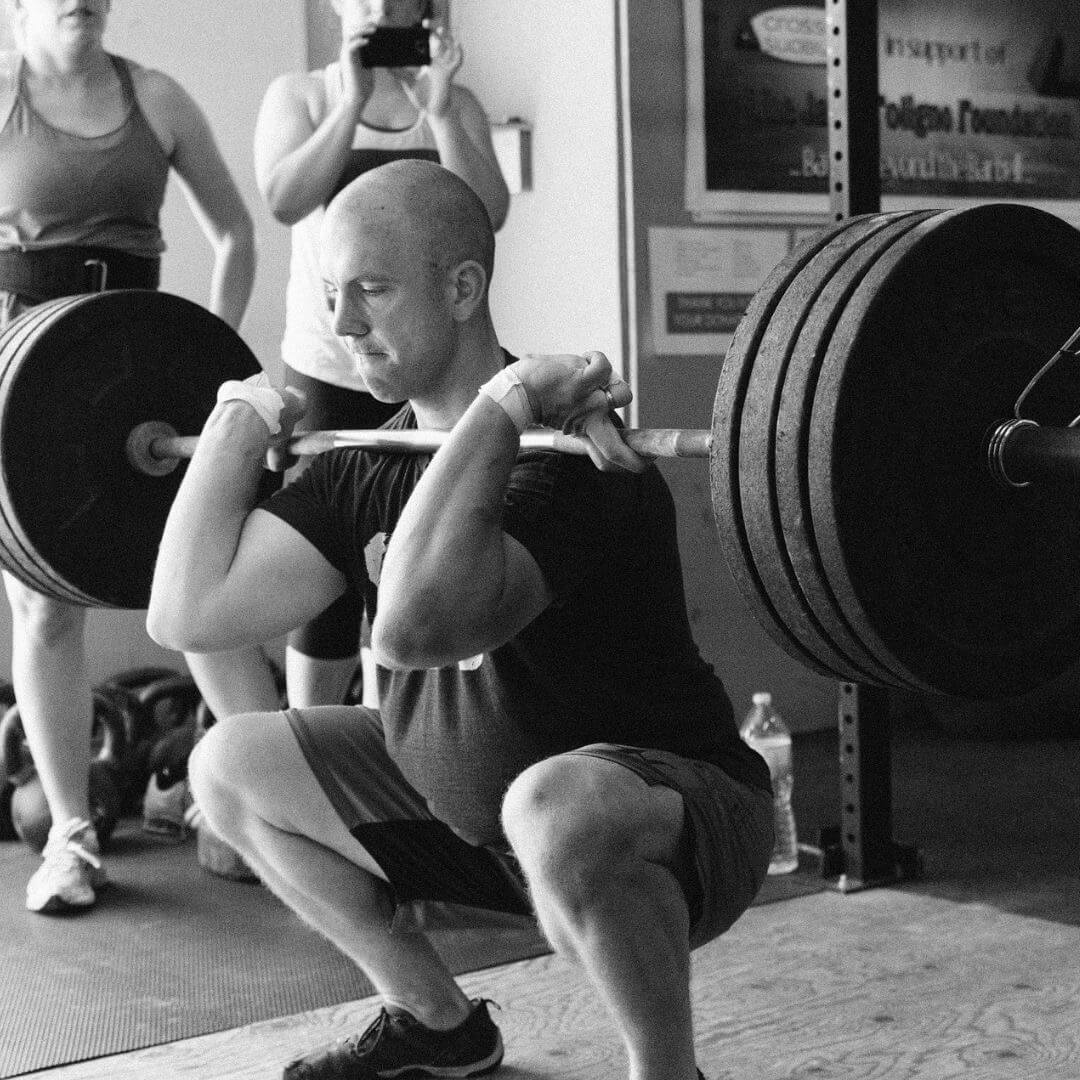
How Rest & Recovery Can Be Used to Break Strength Plateaus
When targeting muscles for increased size or hypertrophy, frequency is often the preferred method for muscle adaptation. Frequency leverages the principle of protein synthesis, which states that synthesis is at its peak 48-72 hours after training.
Some trainees take advantage of this principle by working out more frequently, with only 24 hours of rest between sessions, to be more effective. However, in recent 2016 studies among lifters who trained for 24 or 48-72 hours, the gains were relatively the same.
Because frequency doesn’t have much of an effect compared to rest periods, exercising too often may be counterproductive. When you’re exercising, the body relies on the sympathetic nervous system, which prepares it for fight-or-flight responses.
If you exercise too frequently, you’ll find that you’re too sore to work out and feel exhausted. This is because you’re not allowing the sympathetic system to reset all the way down where it should.
The parasympathetic system has the opposite effect, regulating the body’s functions for rest and recovery. This is the system that is neglected the most when training frequently becomes too much of a priority.
The direct link between muscle fatigue, damage, and recovery is a muscle adaptation known as the Repeated Bout Effect, which occurs when muscles are stressed to their limits.
When you repeat your exercises, you’ll experience less damage to muscle tissue, connective tissue, and a lower reduction in strength and muscle stiffness. For the Repeated Bout Effect to become active, you need to be consistently training regularly.
Advanced bodybuilders usually benefit from higher-volume training with extra sets per workout, which is where the advantages of RBE are most likely to be experienced. For novice or newer weightlifters, this is why more rest and recovery are needed until RBE becomes active within your physiology.
Keep in mind that RBE levels vary among individuals and depend on age, stress levels, and nutrition. It also depends on whether the exercises reach failure, the number of sets, and the number of repetitions performed.
Methods for Proper Rest & Recovery
The key to building strength long-term in the gym is balancing all-out effort with knowing when to back off. Some of the strongest powerlifters and bodybuilders in the world take weeks and months off after competing in major competitions.
There are a few techniques that are helpful to continue to make progress and lower cumulative fatigue:
- Off Days: This one is obvious, as you basically find time during your workout schedule to have a break between training days for recovery. Off days can be cumulative or just one day in between (as with 24 or 48-72 hours of rest).
2. Technique-only sessions: During technique sessions, training during lifting days would be 70–80% of 1 Rep max for exercises and performed at a much slower tempo. This pace helps with working on form while easing tension on the connective tissues.
3. Technique half-weeks: These days are performed in the latter half of the week once awareness of diminishing strength is experienced and fatigue becomes noticeable. Weights would be 70-80% of 1 Rep max.
4. Deload week: Deload weeks reduce fatigue and can recharge you for 4-8 weeks when applied to your workout routine. I typically incorporate deload weeks into 12-week training programs to break the monotony for clients and improve performance on specific exercises. To deload, you will work out fewer days than usual and lift about 50% lighter weights.
5. Active rest: An active rest is followed right after a deload week and involves no exercise whatsoever. These weeks are effective after training hard for a long period of consecutive months and right before busy times, such as vacations or holidays. Active rest can be a week or longer.
The Wrap Up
It never made any logical sense to work out to the max and not consider the rest and recovery that the body needs to get stronger. Assuming that muscles are made in the gym has led to this widespread fallacy and creates more problems for trainees who don’t know any better. Until your physique has developed to where consistent training becomes an advantage, maximize your gains by getting proper sleep and time away from the weight room.
What else do you want to know?
When Should You Deload From Training?






2 Responses
Its wonderful as your other blog posts : D, regards for posting. “Reason is the substance of the universe. The design of the world is absolutely rational.” by Georg Wilhelm Friedrich Hegel.
I was recommended this web site by my cousin. I am not sure whether this post is written by him as nobody else know such detailed about my difficulty. You’re incredible! Thanks!