

Why Coffee Is Popular
For a majority of people, starting the day with a warm cup of coffee has become a staple routine each waking morning. Going an entire day without the aroma or the acquired taste of roasted beans can bring feelings of anxiety and unease for most aficionados.
Coffee is a popular beverage because it provides alertness, focus, and improvement in mood that most other beverages can’t offer. There’s also a strong daily ritual involved that involves nostalgia from the memory when you tasted the first cup or connected with another person over coffee.
Fans of coffee are quick to rationalize that coffee actually has true health benefits that should not be ignored due to the extensive research on the bean. Coffee is considered an antioxidant that is vital for battling free radicals and dangerous toxins that enter the body.
Coffee has also been considered as a powerful stimulant because of the neurochemical caffeine, which actually does heighten the sense of awareness and concentration with even small doses.
While coffee has some of the health benefits that justify its daily use, I would argue to differ that coffee actually does more harm than good over the long run. With everything considered, the health benefits of other substances/products can serve much better value over coffee.
Continue reading to find out why.

Why Coffee Is Making You Old, Fat & Broke (Pt. II)
The global supply of coffee has dramatically changed since 5 years ago, as inclement weather conditions have ravaged the main suppliers for coffee, Brazil and Southeast Asia. As I mentioned about coffee in 2023 here, supply for coffee has fallen off the cliff in recent times.
The already razor thin profits from harvesting coffee has farmers selling at higher price points for their product. The price of coffee has surged 40% in the last year and the price per pound for coffee has also doubled.
Prices are especially high in North America, as recent fiscal policy changes towards tariffs in 2025 have created a price surge on coffee.
President Donald Trump announced a 50% tariff on Brazil in July 2025, causing coffee bean prices to skyrocket in the United States. Although tariffs have been rolled back ever since, prices remain elevated due to shifting U.S. economic stability. As a result, Brazil has reinenforced their supply chains to Canada, exporting to the cities of Vancouver, Montreal, and Toronto respectively.
A decreased global coffee supply and increasing shipping costs can mean coffee drinkers can see prices for cups double and/or higher prices at grocery stores in the near future.
Health Consequences of Coffee
In North America, coffee represents the biggest source of antioxidants in the standard diet because 75% of Americans already consume coffee. This is great news for advocates of coffee, since high quality antioxidants are usually found in more undesirable foods like fruits or vegetables.
The major health downside to coffee is why most people enjoy drinking the beverage. The sense of alertness from coffee is the flight or fight response from the hormone cortisol. Cortisol is why you feel awake in the morning but usually tapers off as you remain awake.
The awakened feeling is extended as the caffeine replaces the adenosine neurochemical (which helps you stay awake). Extended caffeine use creates more adenosine receptors, which means over time your brain needs more caffeine to stay awake.
Consuming coffee keeps cortisol levels elevated longer, which is not necessarily good for remaining relaxed and calm throughout the day. Elevated cortisol causes anxiety, restlessness, insomnia, high blood pressure, higher appetite, heart palpitations, and other symptoms are prolonged.
Coffee also has a half-life of 6 hours, which means that half the amount of caffeine will remain in the bloodstream after 6 hours. Three cups of coffee consumed in the day averaging 75mg of caffeine will still leave over 100mg of caffeine in your bloodstream by the evening. Caffeine levels this high at night can make it difficult for some people to get very good, deep rest (see How to Get Quality Rest).
Lower quality of sleep and elevated cortisol levels are the great recipe for visceral fat gain in the body. Fat burning is at its highest when cortisol levels are low and are replaced by growth hormone/testosterone during resting hours.
Alternatives to Coffee
Coffee is tolerance inducing, meaning that effects of the caffeine begins to wane and more coffee is required for the same effects. With the current global coffee supply, high price points, and the side effects of prolonged use I wouldn’t recommend coffee for any of the positive benefits of drinking it.
Coffee has become as popular as it’s been because of the enjoyable effects on the brain. Similar to alcohol, coffee releases amounts of dopamine as a method to reinforce activity through pleasurable behavior. There are other natural substances that can be added to any non-caffeinated beverage to mimic the same health benefits, cognitive function, and alertness:
- Ginseng
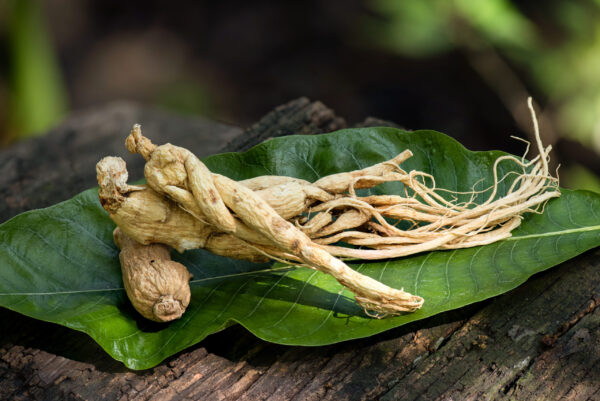
This root herb has been taken for centuries and has been used in ancient Chinese medicine. The benefits of this herb comes from the compounds gintonin and ginsenosides, which regulate mood, inflammation within the body, and the body’s natural defense system. Ginseng is considered a strong antioxidant and can substituted for coffee as a health alternative source.
2. Vitamin B-12
As one of the essential B-vitamins, B-12 has similar effects as with coffee to fight fatigue. B-12 also benefits healthy red blood cells, aid the nervous system and brain, and helps convert your food into energy.
3. Liposomal Glutathione
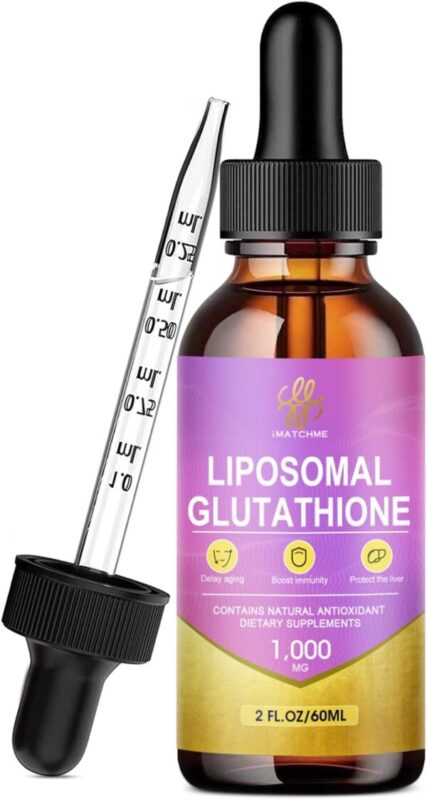
Of all the antioxidants, glutathione is the main anti-oxidant that does the best job to keep you immune from environmental and consumed toxins. Glutathione also counters against stressors as well, such as alcohol and smoke inhalation. Supplementing with glutathione is one method to detox the body for pollutants and impurities. If you don’t have enough glutathione you’re going to feel tired, moody, and have difficulty getting rest at night. Liposomal glutathione (delivered through fat molecules) has the best bioavailability the reach your cells over other oral supplements. Recommended dosage is from 250-500mg added to a beverage or intravenously with a clinical professional.
You can also get enough glutathione naturally in your diet by getting enough selenium, zinc, and vitamin C from quality food sources. Fish, red meat, asparagus, avocados, broccoli, cabbage, almonds, walnuts, watermelon, oranges, garlic, onions in their raw or lightly cooked form when prepared are all great sources of glutathione.
The Wrap Up
Coffee is currently the number one consumed beverage in North America, however there are some drawbacks to this popular beverage. The trend of rising prices for questionable quality coffee is a concern along with the dwindling global supply. Very few climates in the world can support agriculture for this crop and coffee dependency has become indispensable with most coffee consumers. If the drawbacks to coffee are an issue, there are alternative sources that can aid health and provide similar cognitive benefits.




One Response
Aw, this was a very nice post. In thought I want to put in writing like this moreover – taking time and actual effort to make an excellent article… however what can I say… I procrastinate alot and in no way appear to get something done.