Competitive Bodybuilding Sport
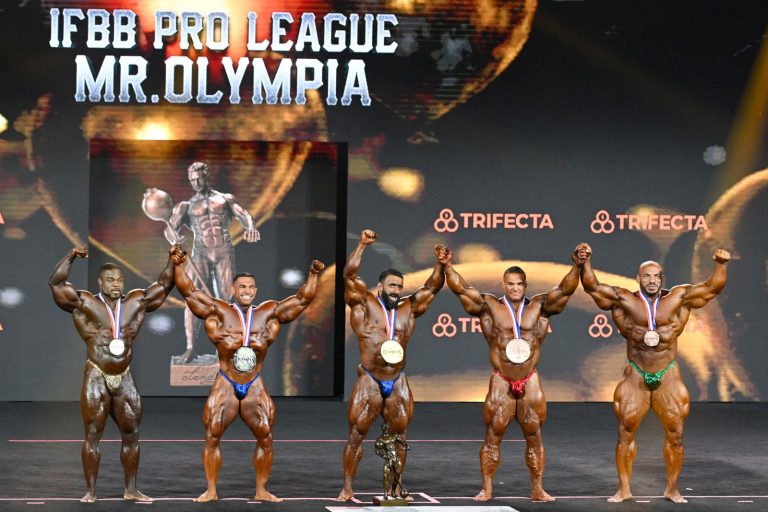
What once stood for the ideal in physical health, fitness, and strength has become the degenerative testosterone-fueled sport of bodybuilding. The image of bodybuilding in modern times is synonymous with tanning oil, gargantuan physiques, bikini underwear, and posing competitors fighting for a trophy that will guarantee their 15 minutes of fame.
The sport of bodybuilding has influenced younger bodybuilders by creating physique standards that are unnatural and outright cartoonish compared to those of bodybuilders of the past (see How Social Media Has Changed Physiques in the 21st Century). The sport has finally reached its near demise, with stage judges setting expectations for competitors to look bigger, leaner, and more aesthetic each year.
As a result, the sport of bodybuilding has become dangerous for young athletes to participate in, as a growing number of bodybuilders are dying at early ages each season. 2025 was the worst year yet with 55 total deaths:
Classic bodybuilders of the Bronze Era (1900-1940s) understood that development of the body should reflect strength, symmetry, and proportion. They also understood that bodybuilding should be a health discipline in aiding longevity, not simply about building the biggest muscles. It was never about size.
In later times, modern bodybuilders strived to achieve similar results through shortcuts, which has led to the toxic lifestyles of eating large amounts of food, consuming toxic compounds to get bigger, and reckless partying after winning competitions.
If the sport of bodybuilding continues at this current rate, the art of bodybuilding will be long forgotten, and the mortality of these athletes will continue at younger ages. There are major differences between the art of bodybuilding and the sport in its present form.
The Art of Bodybuilding vs. Bodybuilding Sport
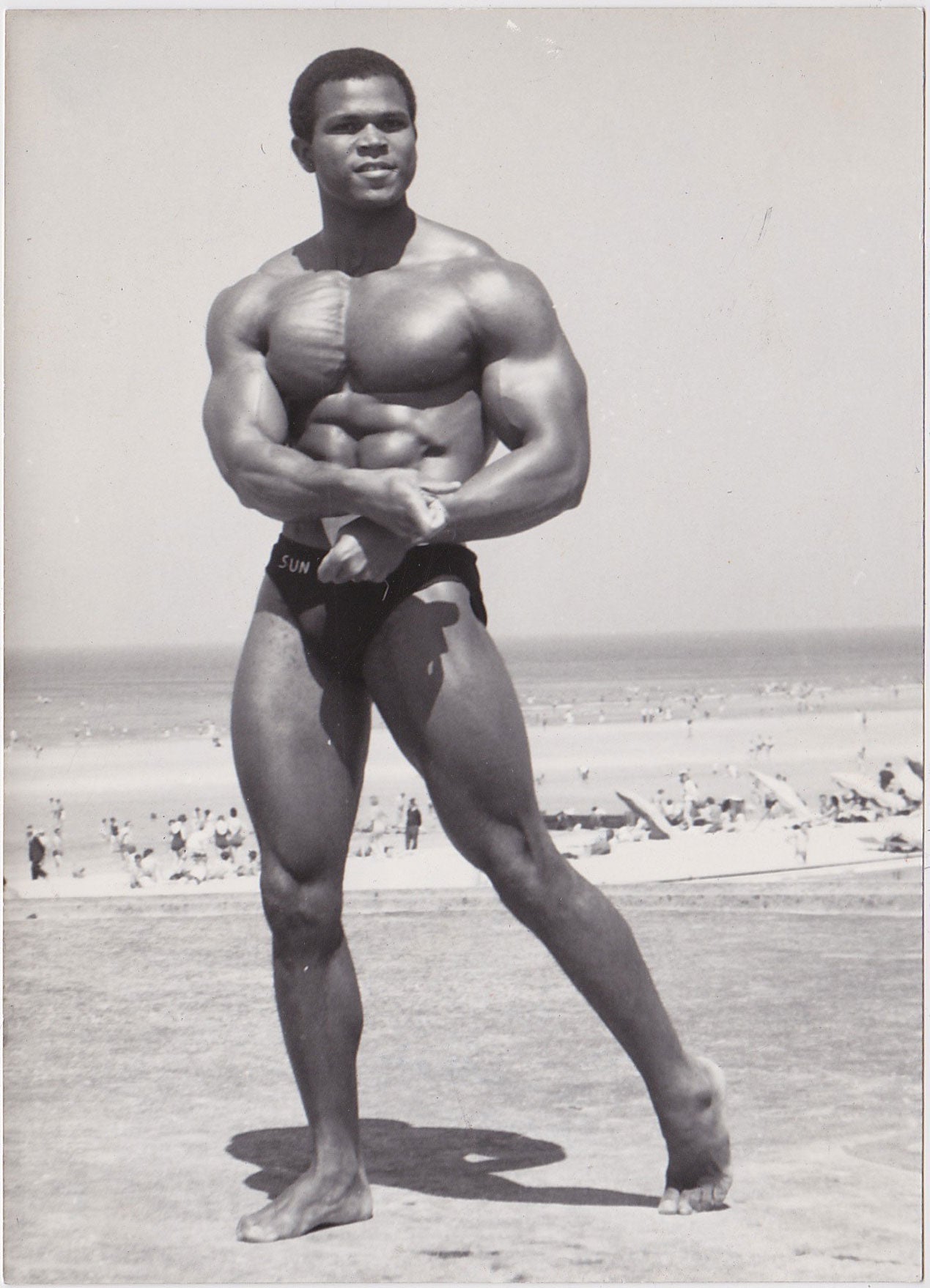
‘Bodybuilding is not only a sport but first an art.’ – Serge Nubret
To be a successful bodybuilder, one needs an intimate understanding of human anatomy, physiology, and training science. All of that would include knowledge of nutrition, including proper supplementation with macronutrients and micronutrients for fat loss or muscle growth.
None of this subject matter is necessarily as complicated as it sounds. Still, a thorough understanding of the information is required, as generic information does not always work for every individual’s body type.
With the application of measurable metrics and competition among athletes through posing, bodybuilding became a sport featured on popular local and national stage shows. Some of these were the Mr. Universe and the Olympia, made famous by international bodybuilders Larry Scott, Steve Reeves, and industry pioneer Joe Weider.
A scoring system was put in place by show judges to rank these metrics; however, the sport has always been subjective, unlike those in other sports. The judges’ preferences have always been the sole deciding factor in determining who was a champion and who were the runners-up.
The consequence is a competitive sport that encourages athletes to compete based on size and the overall aesthetics of musculature. Genetics is the biggest determining factor in winning trophies, outside of the extraordinary training regimen of a competitive bodybuilder competing in multiple shows throughout the year.
Early bodybuilding competitors, such as those started by industry pioneer Eugene Sandow, showcased aesthetics without the modern metrics seen today. Sandow’s show was called ‘The Great Competition,’ and prizes for the winner did not go to the biggest muscles but to those whose development was the most symmetrical and even.
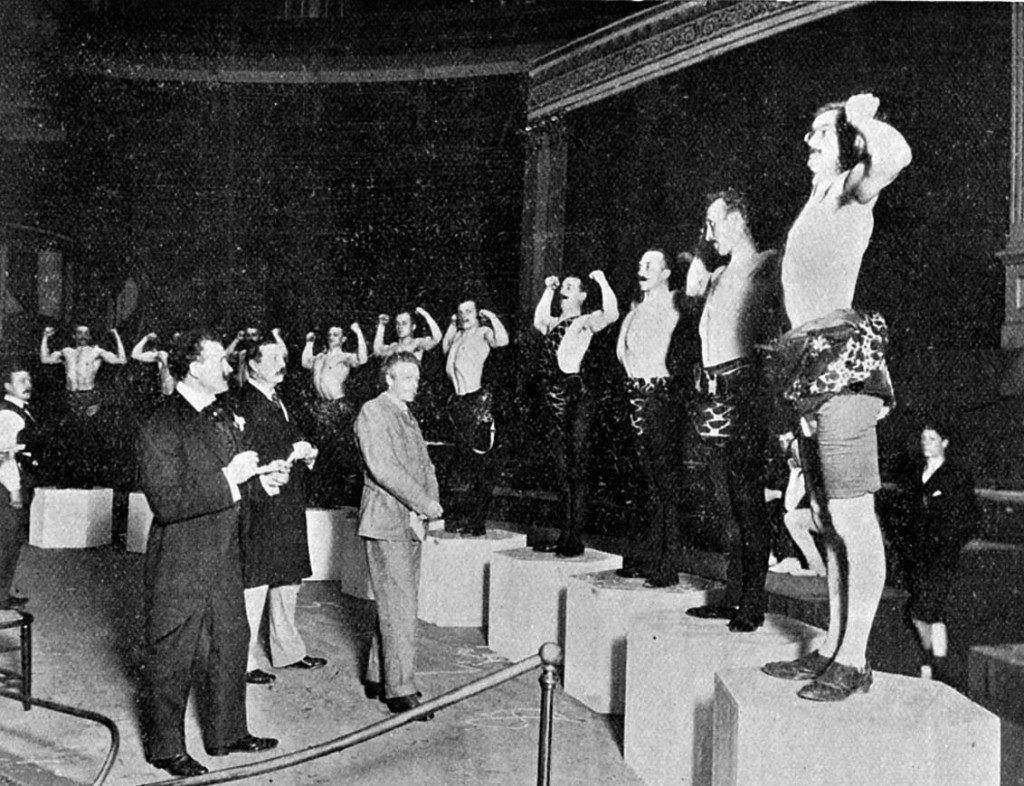
The three judges seen in the photo ranked the men based on general development, balance of development, condition of the tissues, overall health, and condition of the skin. Sandow’s competition was one of the most popular bodybuilding competitions of the era and drew over 15,000 spectators in London’s Royal Albert Hall in 1903.
Decades later, an art exhibition named Articulate Muscle, The Body As Art was hosted in NYC in 1976 at the Whitney Museum to raise money for Joe Weider’s film ‘Pumping Iron’ starring Arnold Schwarzenegger, Frank Zane, and Ed Corney. The audience size for the event was expected to be around 300-400 spectators that night, but when the show debuted, it became a standing-room-only event with over 5,000 people in attendance.
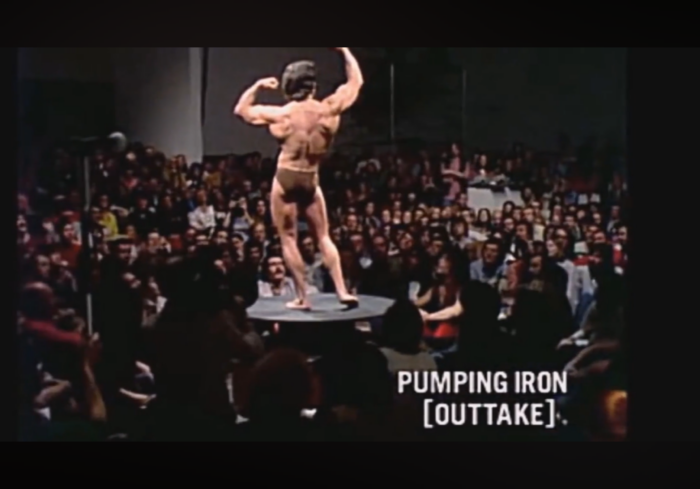
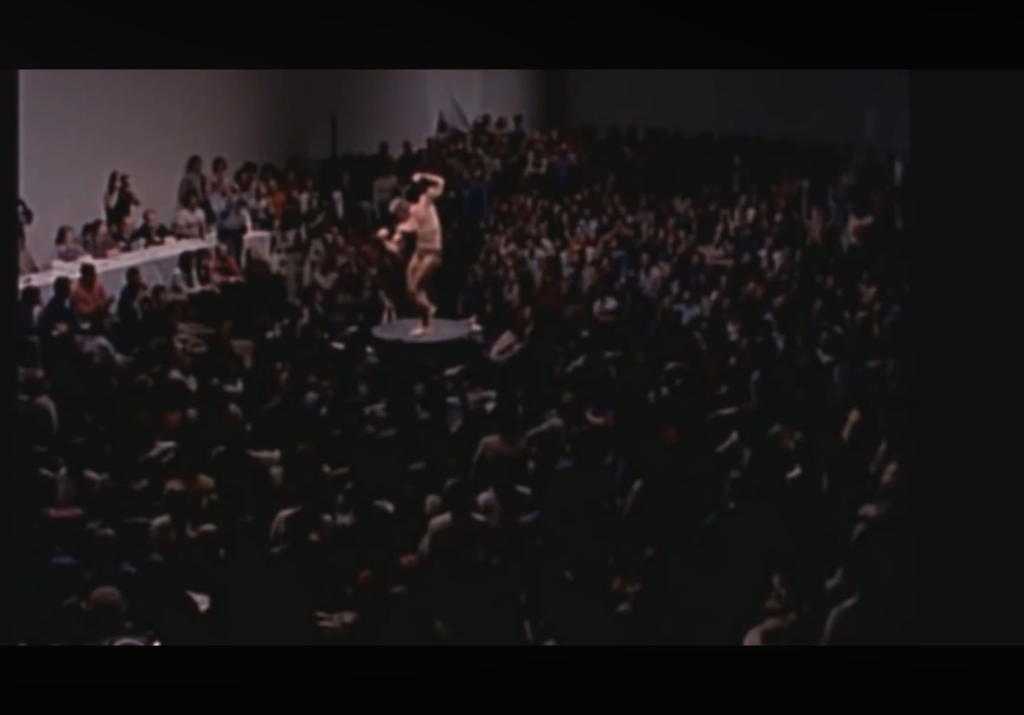
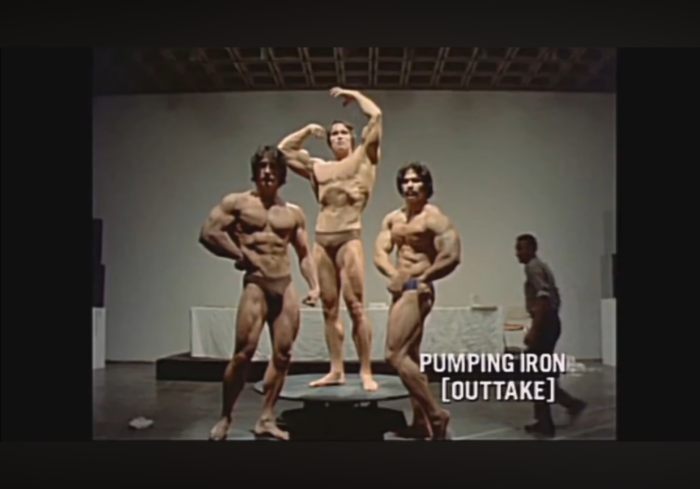
Since the Golden Age of Bodybuilding in the 1970s, the mainstream community’s interest in the sport has dwindled, as bodybuilders’ sizes have dramatically increased in the 80s and 90s. This modern era is known as the era of bodybuilders being ‘mass monsters,’ and the standard of proportionate aesthetics has been lowered.
The exposition of bodybuilders today is that of mass monsters rather than sellable artwork. Modern bodybuilders don’t sell their physiques anymore, which is why spectators do not gravitate towards the sport in droves like in the past.
Aesthetic bodybuilders with excellent proportions are still desired and represent consummate images of great health and longevity, which are direly needed in the modern bodybuilding scene. The extremes of the bodybuilding sport need to return to moderate standards before the entire industry eventually crashes and burns out of existence.
The Wrap Up
Bodybuilding has always been a competitive sport, but it originated as an art form for devising a beautiful physique. To succeed in the sport, a bodybuilder must have a thorough understanding of human anatomy, training science, and nutrition to achieve above-average muscularity. Deviating from these principles is why the sport no longer resonates with the mainstream community and why it has become as polarizing and dangerous as it has in recent times.