

No Time For The Gym
The busy lifestyles of the modern man barely allows the proper time for relaxation much spare time to exercise. Time is the main excuse people have for not being in shape or staying on top of their health as they continue to age each year.
There can be a limited amount of time in the day between most work and sleep schedules, along with the responsibilities that most adults have to take care of throughout the week. Gyms seem inconvenient most of the time between traveling to the facility, showering after workouts, then dealing with the rush hour commute headed home.
The second biggest excuse for avoiding exercise is assuming how many hours will be needed to get in better shape. Just looking at the physiques that you see poste on social media or pinned in fitness magazines, the learning curve seems too high for most people to make such a commitment.
Most people however do have idle time being wasted throughout the day that’s not being used to their advantage. The amount of available waking hours in the day will never change and neither will the excuses to disregard maintenance and self-care for the body.
Finding time to exercise in the day is a lot easier than expected and can be started right away without too much effect outside of your busy schedule.

How to Find 30 Minutes A Day To Exercise
Fitness gurus and experts would say that the mornings are the best times to schedule a workout in, as this the mornings provide the most energy for exercise. Morning exercisers typically wake up a hour early for their morning jog, walk, or training session in the home gym before getting started with the day’s work.
Not everyone is a morning person and exercise before work can be hectic for some, especially for individuals with young children to take care of or those with long morning commutes (see Why Your Morning Commute Is Slowly Killing You). After hours workouts can be dreadful because of the crowded gym floor hours or plans for the evening that come up unexpectedly throughout the week.
It’s recommended that a gym facility should be within 4 miles from your home, but sometimes this convenience isn’t enough to commit regularly to an exercise program that will work long term. Here are some tips for 30 minutes or less of workout time with a hectic schedule:

Find idle time at work/breaks
The short breaks from work are the best times to get your cardio levels back up after being sedentary at a desk for hours at a time. A brief walk around the office or outside in great weather is good enough to get a considerable amounts of steps in the day to start. When walk is more than comfortable, add or switch to resistance training with a set or two of push-ups and squats. Compound movements like push-ups or squats burns lots of calories and have a high androgenic effect on the muscles in the body, beneficial for extra energy and building strength.

Wake up earlier if possible
It’s better to take advantage of the time you have in the mornings for exercise than later in the day. Morning exercise is a burden for many because of the limited hours of sleep, trying not to disturbing others still resting, or not able to train while fasted (see What is Fasted Training). If you can overcome any of these challenges, start your aerobic or anaerobic training early before the rest of the day becomes hectic.
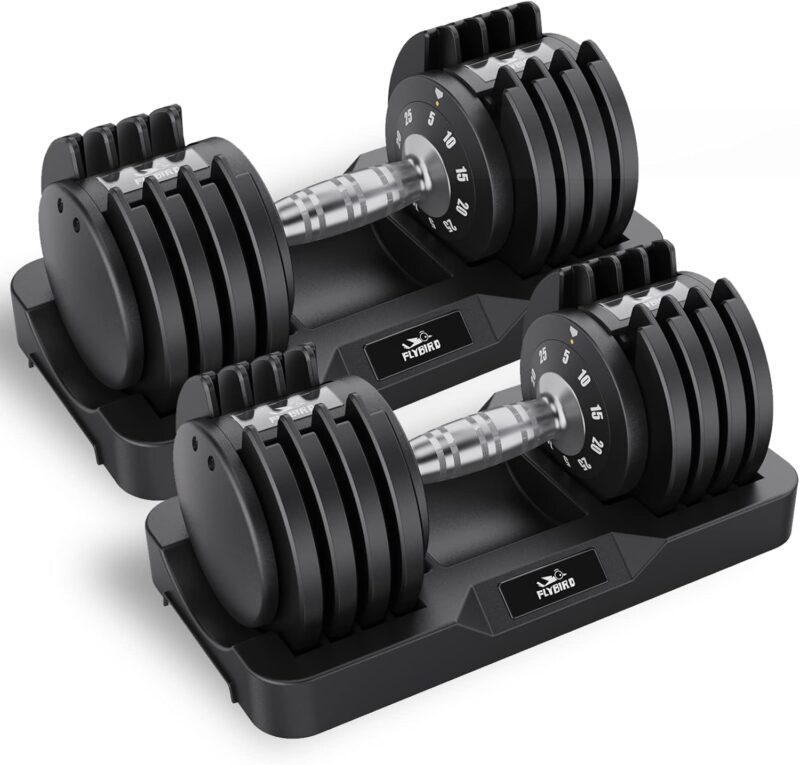
Start your gym with adjustable dumbbells
Buy a solid set of iron adjustable dumbbells to keep in your bedroom or office space to start building a home gym. Adjustable dumbbells have an advantage because strength can be increased over time with the additional included weights. Building strength slowly this way will build enough confidence to add a bench, pull-up bar, or rack in the room with time.

Focus on calisthenics training
Regardless of your strength level, calisthenics training allows you to get a lot of workout sets done in a short period of time. Push-ups, dips, pull-ups/chin-ups, planks/crunches, squats, and lunges are all you really need to start building a great physique without any kind of weights. Weights are best added when you have an understanding of the range of motion and learning the proper amount rest needed to recover from the workouts. Progression with calisthenics training can be just as challenging if not more challenging than the weight room (see How to Progress With Calisthetics Training).

Do HIIT For Cardio
Cardio training doesn’t have to be synonymous with lengthy walking sessions or hours in a swimming pool to increase your heart rate. HIIT Cardio (High Intensity Interval Cardio) training are brief bursts of exerted power followed by a short resting period (usually 30 seconds or less).
Reduce Frequency
There’s no need to train more than 3 days a week for most individuals, although many will argue that advanced trainees need this additional frequency for intensity. Push, Pull, Leg or Upper/Lower Body splits work efficiently and gives the body the proper amount of rest wHILEexperiencing fatigue. Lowering the frequency down to 2 days will be even more efficient if limited spare time in the week is a concern.
The Wrap Up
Time could never be a used as an excuse if we take advantage of the little time that we do have for ourselves. A small amount of exercise over a period of time is all that’s required to see noticeable changes. If the local gym is not convenient enough for you, slowly create one of your own by working with calisthenics exercises and slowly adding weights to a space in your home.







2 Responses
Dear David,
I wish I could reach 10% of the expected results of your fantastic program.
wonderful points altogether, you just gained a new reader. What would you suggest in regards to your post that you made some days ago? Any positive?