What You See Is Not What You Get
Great health favors those that consistently make the best choices concerning what they consume. Food found on the store shelves are designed to grab your attention and convince consumers using excellent marketing.
The food labels appeal to the latest diet trends that are the most popular at the moment. Slogans like ‘gluten-free’, ‘grain-free’, ‘sugar-free’, or ‘fat-free’ appeal to consumers that are concerned for their long-term health when they become aware of hazardous foods.
This is why food marketing can be quite deceptive, as they play on the public’s knowledge of food to send them further down the wrong path. People often think that particular foods are healthy without understanding that the labels aren’t disclosing the complete truth of how that food is made.
The demand for whole, natural sources of food have existed for decades, but the health conscious demographic of the population are often deceived. Vague food label descriptions makes packaged food more enticing and builds a trusting relationship with the foods that are familiar.
Even foods found in nature are not as ‘natural’ as food distributors claim they often are.
How Food Labels Are Used to Deceive You
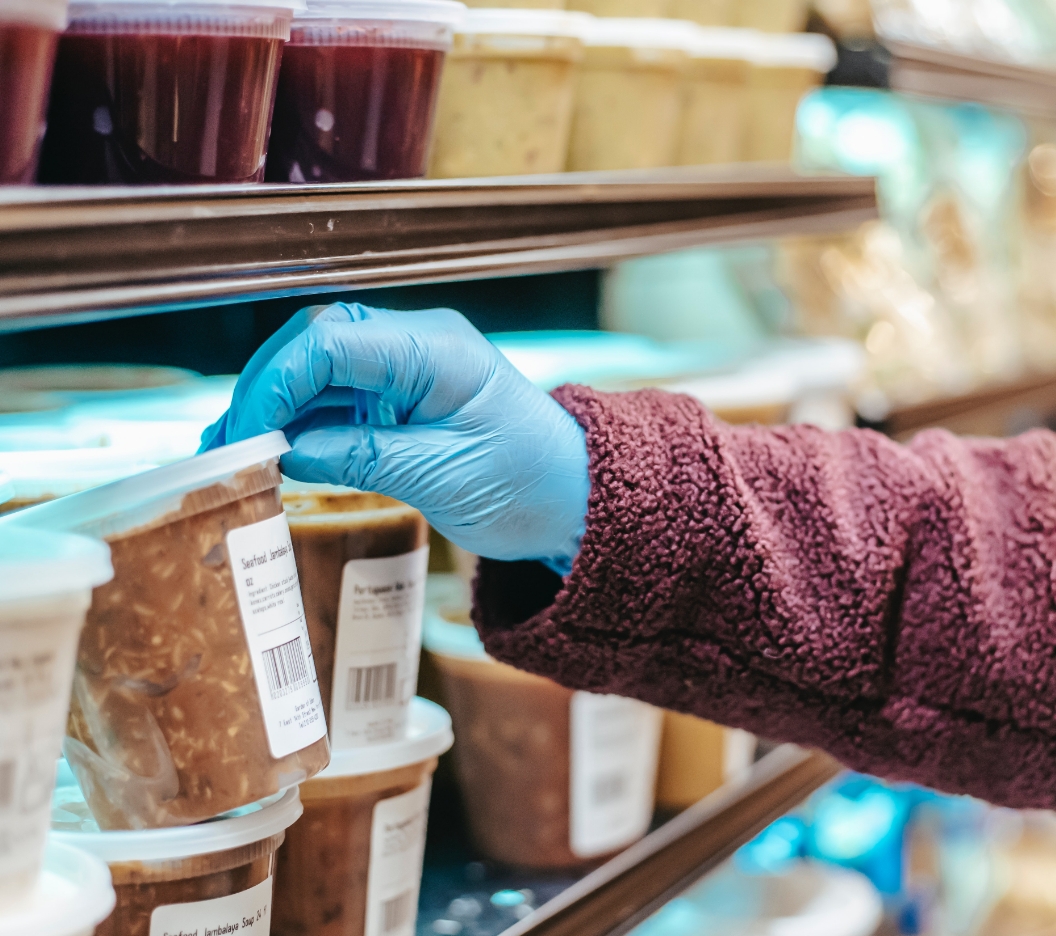
Manufacturers use labels to disclose the make-up, origin, and process how that particular food was produced. Knowing the origin of the food is a major concern for mature consumers because of the noticeable rise in healthcare costs, worldwide obesity, and impact on the planet’s ecosystem.
As health consciousness has became a major concern for consumers, disclosure from the manufacturers have been accomplished through several methods. These changes have occurred due to ongoing legislation and lobbying that has occurred without the public’s acknowledgment.
One example is of a 2016 law passed that gave disclosure to the definition of bioengineered foods and how those foods can can be marketed on food labels sold in the United States. This law gave manufacturers more freedom and control regarding what can be publicized to shoppers in the grocery aisles nationally.
One such disclosure is that up to 5% of an ingredient can contain bioengineered material used in a food product without listing it. Bioengineered is defined as food that contains genetic material that has been modified through laboratory techniques that cannot be obtained in nature.
When you see ‘bioengineered’ on the food label, this means that the food has more than 5% of bioengineered material in kit and food products with less material do not have to be disclosed. Complete information not listed on the packaged food can be obtained from the manufacturers in a few ways:
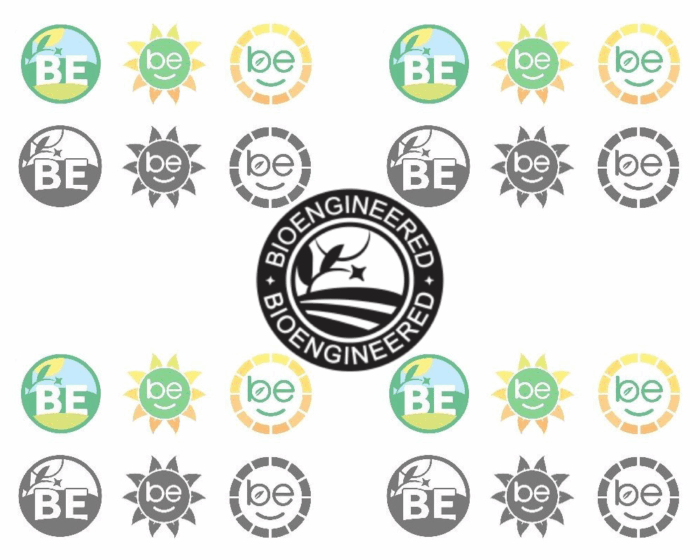
Food can be listed with the bioengineered symbol

QR codes are sometimes provided. This can be scanned and uploaded to a website that will disclose more information.
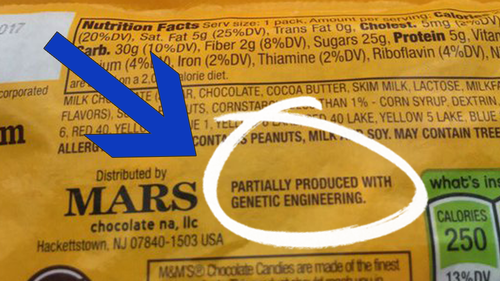
Bioengineered ingredients is clearly labeled on packaging
In the past couple of decades, consumers have become aware of the use of toxic GMO ingredients used in food products. Bioengineered foods are one of the most deceiving labeling phrases used as the definition for the ingredients only slightly differs from GMO food ingredients.
Most GMO food products are avoided by healthy consumers while bioengineered products are still being purchased unknowingly by this same consumer group. GMO is a much broader term which allows it to be disclosed under current law with the current guidelines.
The introduction of these bioengineered foods into the market have brought concerns with the rising occurrence of allergies and autoimmune conditions within the population.
Long term research has not yet been conducted to investigate long term effects of consuming food products with altered genetic material. This could possibly have an effect on bloodlines in future generations and create health issues that could go unnoticed for years!
The processing of bioengineered ingredients in food is only one deception that is frequently used by food manufacturing companies throughout the world. Here are several others that frequently go under the radar:
Hidden Sugars
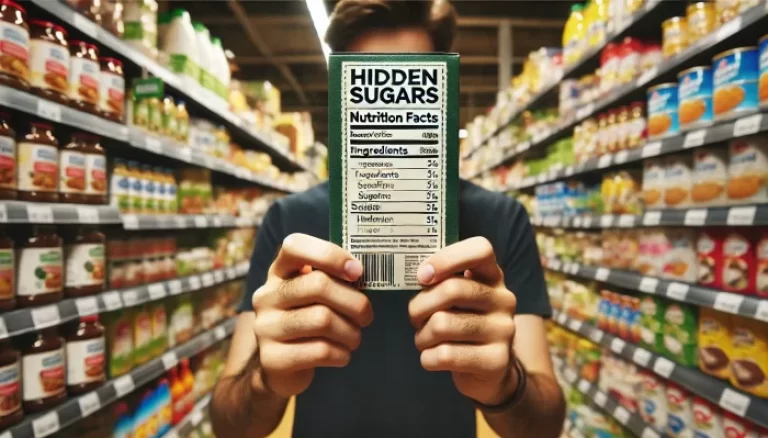
Sugars can go by dozens of different names listed on the nutrition labels and many of them go unnoticed by well-informed consumers. Look for tricky hidden sugar terms like ‘agave’, ‘brown sugar extract’, ‘maltose’, ‘beet sugar’, ‘corn syrup’, and many others.
‘Organic’
Seeing organic on a food label is very convincing because of the known regulatory standards that are enforced on the manufacturers. This is the main reason why 100% organic can be deceptive, because the organic food is not always rid of harmful and toxic chemicals. Many crops experience run-off from rain and particulate matter from wind patterns that contaminate organic grown foods. Organic food is grown is better conditions, but it is not completely clear of any toxins as marketed.
Trans Fats
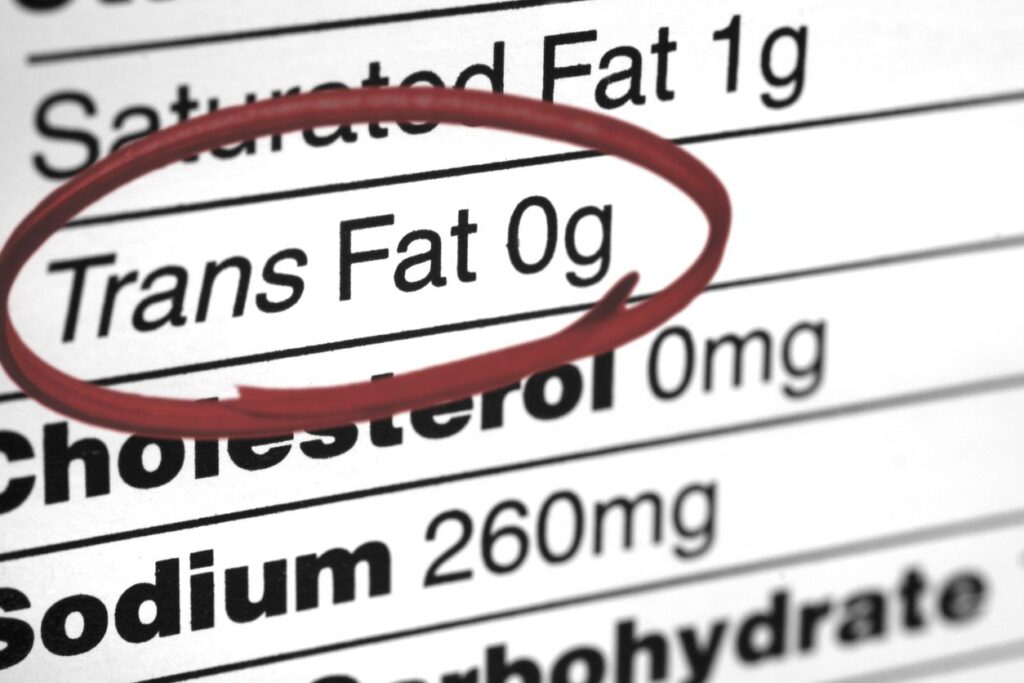
Trans fats were regulated and banned a decade ago, as the fatty acid was linked to higher incidences of cardiovascular disease, obesity, and diabetes. These fats were included in most processed foods as they held a higher melting point, which meant longer shelve life in the stores. Avoiding these fats are not easy, as they’re naturally occurring in dairy and meat products. 0% trans fat does not really mean anything and can only really be avoided by completely removing processed foods from the diet.
The Wrap Up
Food labels give the framework about what food products should contain, but the hidden information regarding its ingredients are concerning. Ingredients can be listed but slightly modified unless there is a significant amount of bioengineered material that must be legally disclosed. The average consumer has yet to become aware of bioengineered foods quietly marketed on store shelves and is only one of the deceptions that food manufacturers are using to sell their products. Choose sources of food wisely and avoid what is not necessary when possible.