Deceptive Weight Scales
Continue reading to find out what variables really affect our weight and why your weight number doesn’t really matter.
Factors for Improper Weight
Many popular fitness books written by experts tell you to weigh yourself on a daily basis to track your weight and make adjustments accordingly as the months roll by.
The problem with this advice is that they never disclose the many factors affecting the scale when you weigh yourself.
Observing your weight too frequently can cause you to second-guess what you’re doing and sabotage something that may already be working.
These are some of those factors:
- Temperature: When you place a subjective object on a scale (such as a dumbbell), it should show the exact same weight consistently each day. This never occurs because temperature can cause an object’s weight on the scale to fluctuate from a few ounces to several pounds. This means the weight measurement on a cold day can be completely different than a measurement on a much warmer day.
- The Surface of the Scale: The surface of the weigh scale you use should be on a flush surface that doesn’t have any inclination or rivets that can throw the measurements of your body weight off. That means it should not be placed on a carpet or any kind of unevenly tiled surface.
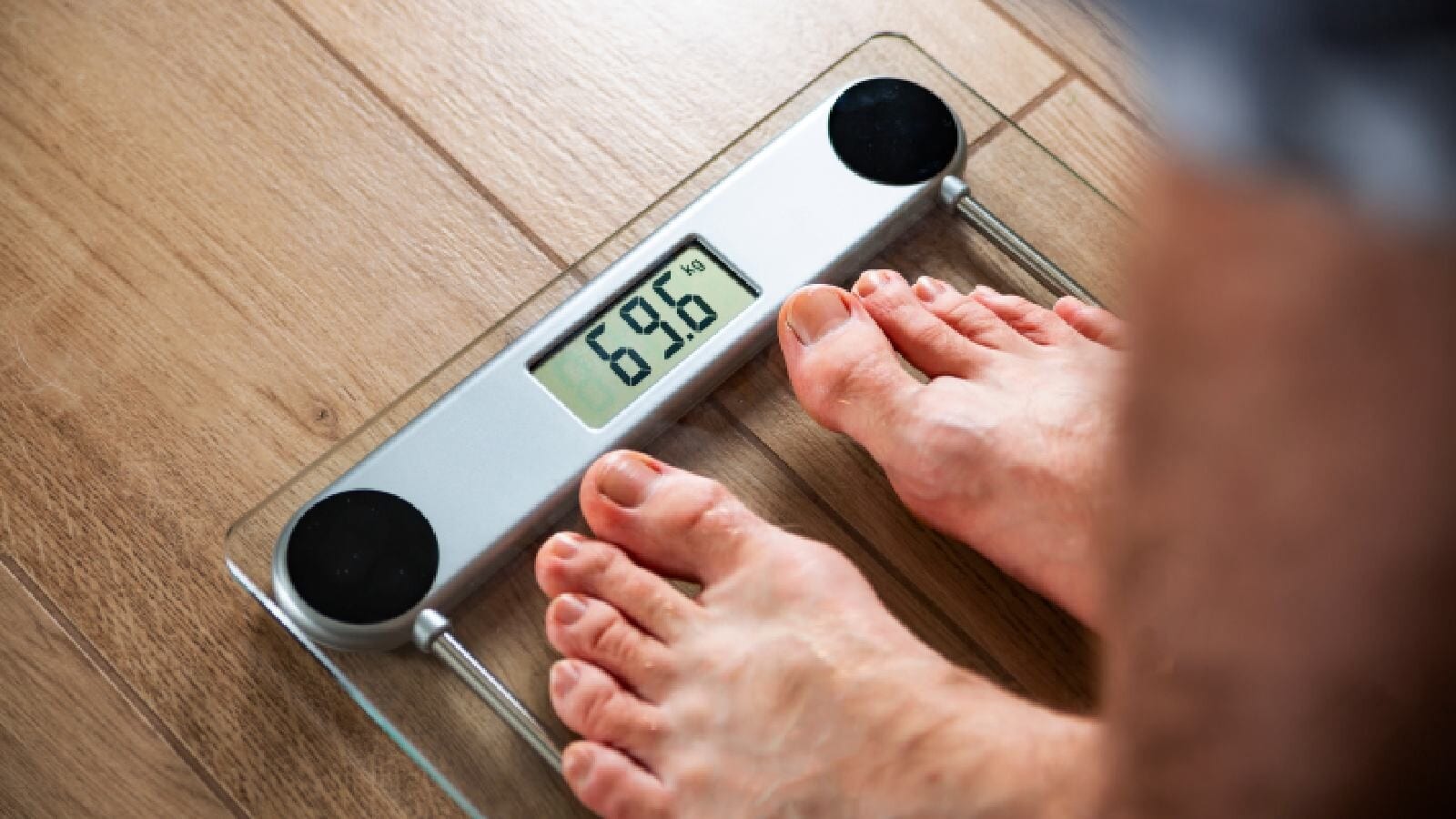
- Distribution of Weight on Scale: Something as simple as the placement of your feet can throw off the weight measurement by a pound or two. The weight scale measures your weight using the pressure on the foot-placement area and displays it in kilograms or pounds.
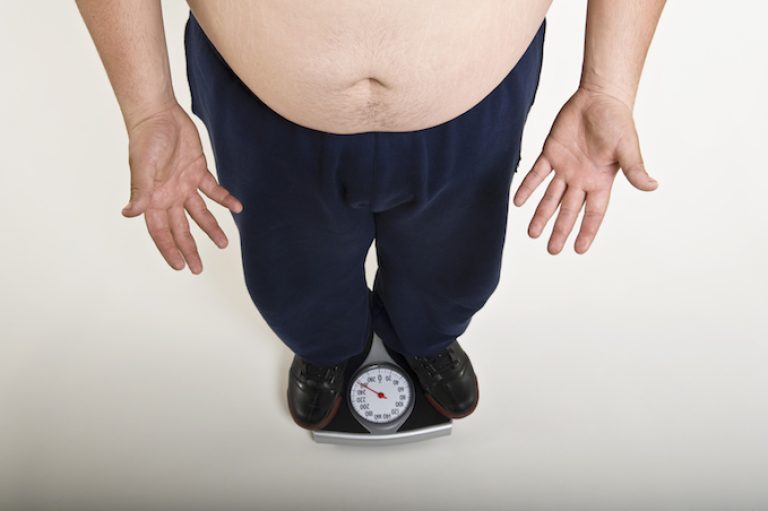
- Type of Scale Used: Some weight scales are more accurate than others, which is why there’s a wide selection of scales for purchase at department stores and medical clinics that claim to be more accurate. In a study evaluating home weight scales, researchers found that digital scales were more accurate than dial-type scales, with a very accurate 1% margin.
- Calibration: The scale you use at the gym (or at home) should be calibrated regularly in accordance with the manufacturer’s standards for optimal accuracy. If you’re using a scale you’re not familiar with, there’s no telling when it was last calibrated or how much you really weigh! Calibration is really as simple as resetting the device to 0 on the scale with a dumbbell.
How to Properly Weight Yourself
The second thing you should keep in mind is how frequently you weight yourself. While weighing yourself every day or every other day would seem to make more sense, it can just frustrate you.
The Wrap Up