Habitual Snacking
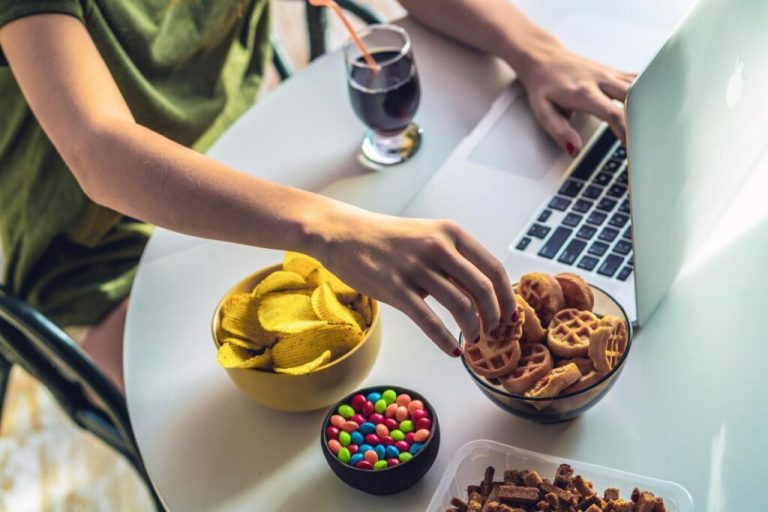
Living without snacks for a period of time can seem like a foreign concept to many people who love food. Snacks are small portions of food people consume regularly and are readily available almost anywhere.
Drinks, candy, chips, cookies, ready-made street food, and baked goods are among the most popular snacks eaten throughout the day without a second thought. Packaged snacks first became popular in the 20th century, as lifestyles grew more sedentary and busy.
Healthier snack options such as nuts, chopped veggies, spreads, cheese, and fruit remain common among health-conscious individuals. However, processed snacks remain the larger culprit for unhealthy guilty pleasures that often contribute to weight gain and food addiction (see Top 6 Signs You May Have A Food Addiction).
Processed snacks are easy to overeat and generally offer no real nutritional value when consumed in excess. Snacks of this variety typically change food preferences over time due to their higher levels of sugar, salt, and fat.
By regularly including these highly palatable foods in your diet, you can, over time, undo any major progress made with a solid fitness regimen and diet that were successful in maintaining a sculpted physique. Snacking doesn’t have to be completely avoided altogether, but it should be a concern if it cannot be controlled.
How Frequent Snacking Can Ruin Your Physique
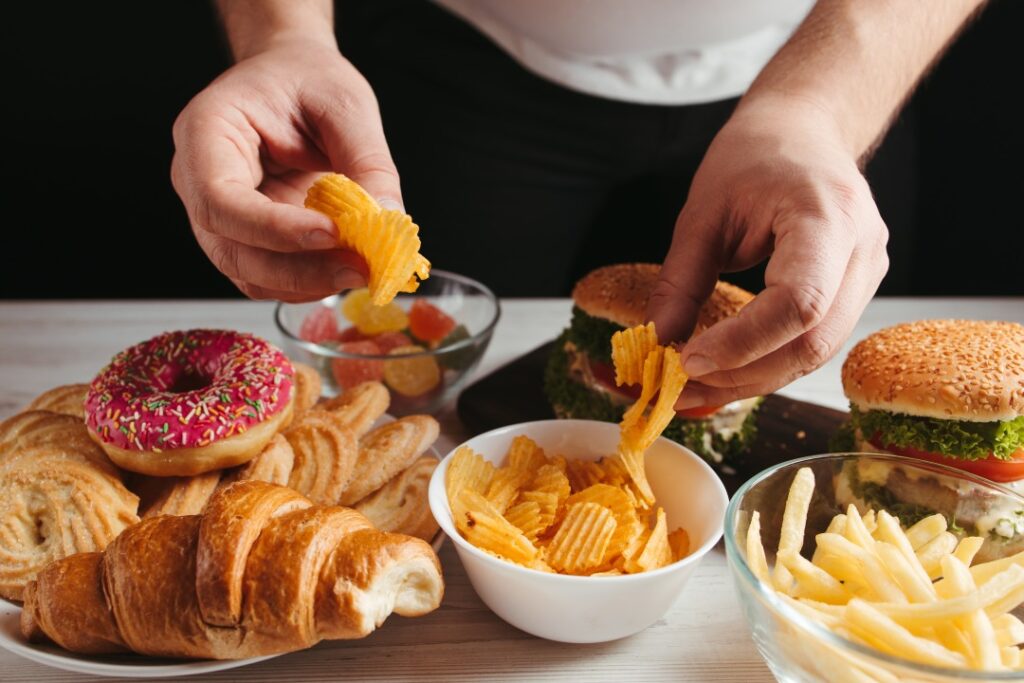
Within the Standard American Diet, it emphasizes the importance of eating 3 square meals a day with snacks in between to postpone hunger. Many store-bought snacks have higher fat or sugar content, and the average American consumes about 400-500 calories per day.
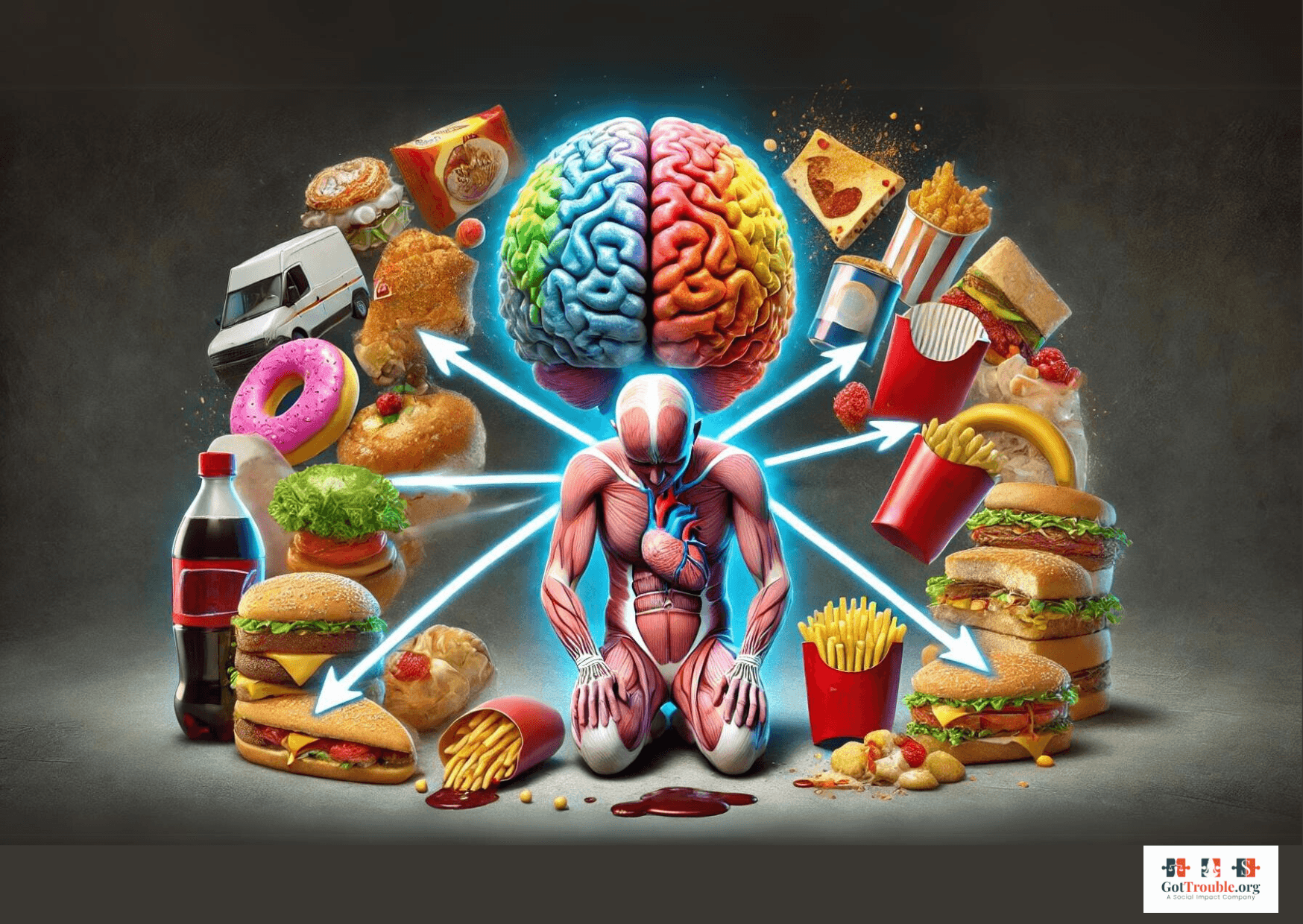
The Standard American Diet, which is the most popular diet in North America, includes high-fat and sugary foods. These types of foods are pleasurable for the taste buds and induce positive reinforcement in the brain when introduced to the body.
This can negatively affect the body’s metabolism, as snacking often disruptsthe brain’s appetite-regulating system. In contrast, simply eating 3 meals throughout the day does not stimulate overeating as much in lean or overweight individuals.
There are some benefits to eating snacks in between meals. Snacks can provide a boost of energy when blood glucose levels drop.
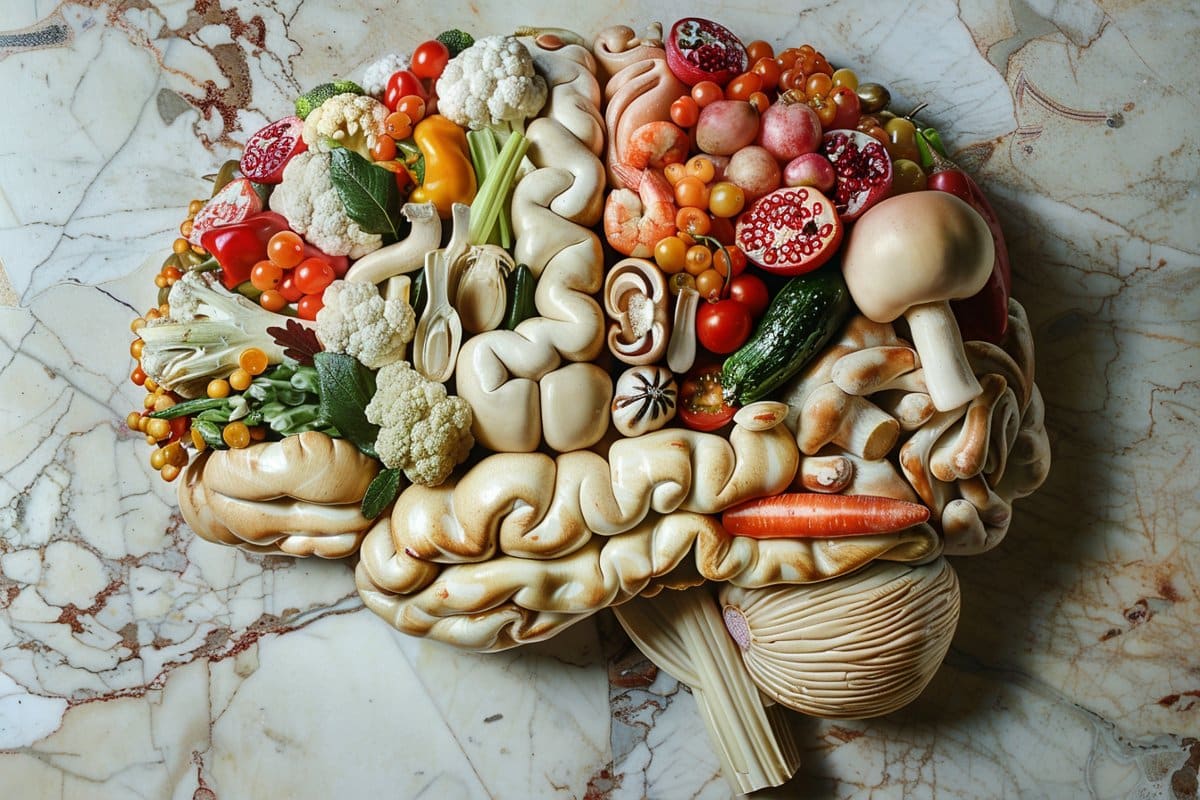
They can also provide extra nutrients when snacking on healthy foods, such as veggies, fruits, or nuts. Healthier snacks combine fiber, protein, and healthy fats to maintain energy and satiety throughout the day.
Snacking does come with its disadvantages, as mentioned previously. The major contributing factor is the potential for overeating since nutrients detected in the stomach are not registered the same in obese or lean individuals.
For those who have a difficulty losing weight, snacking can create further problems managing their health/fitness.
Frequently eating food in this fashion has been one of the key factors towards weight gain and the obesity epidemic because the importance of daily calories has been prioritized with a disregard for the body’s response to hormones.
Each time food is consumed, the insulin hormone is released to keep sugar levels from rising in the blood and store fat in the body’s fatty tissue. This prevents insulin levels from dropping and insulin receptors from becoming overloaded over time, a condition known as insulin resistance.
Snacking can make insulin resistance worse, as many snacks stimulate more insulin secretion than others (such as sugary foods, beverages, and highly refined carbohydrates). When insulin doesn’t get a response from the body’s cells, the body has to release more insulin to bring blood glucose levels down to normal.
This is the beginning of prediabetes.
Regardless of the snacks’ caloric content or macronutrient profile, eating small portions makes it harder for your body to access stored fat. When you don’t give your body time to burn fat in the day, it’s nearly impossible to maintain muscle definition and tone without having to rely on external supplementation.
Snacks can be a part of a healthy diet; it’s best if they come from unprocessed sources and are included at the end of planned meals. Adding snacks to your meals will provide sufficient satiety throughout the day and help balance nutrient deficiencies in your diet.
The Wrap Up
Frequent snacking is a common bad habit that is a part of modern culture, especially with the introduction of packaged snack foods made for convenience. Whenever these processed foods are consumed too often, they stimulate changes in the brain that make them addictive and distort hunger cues that affect the body’s metabolism. To prevent frequent snacking from becoming a problem, try healthier snack options and include them in planned meals.