Struggle To Keep Weight/Fat Off
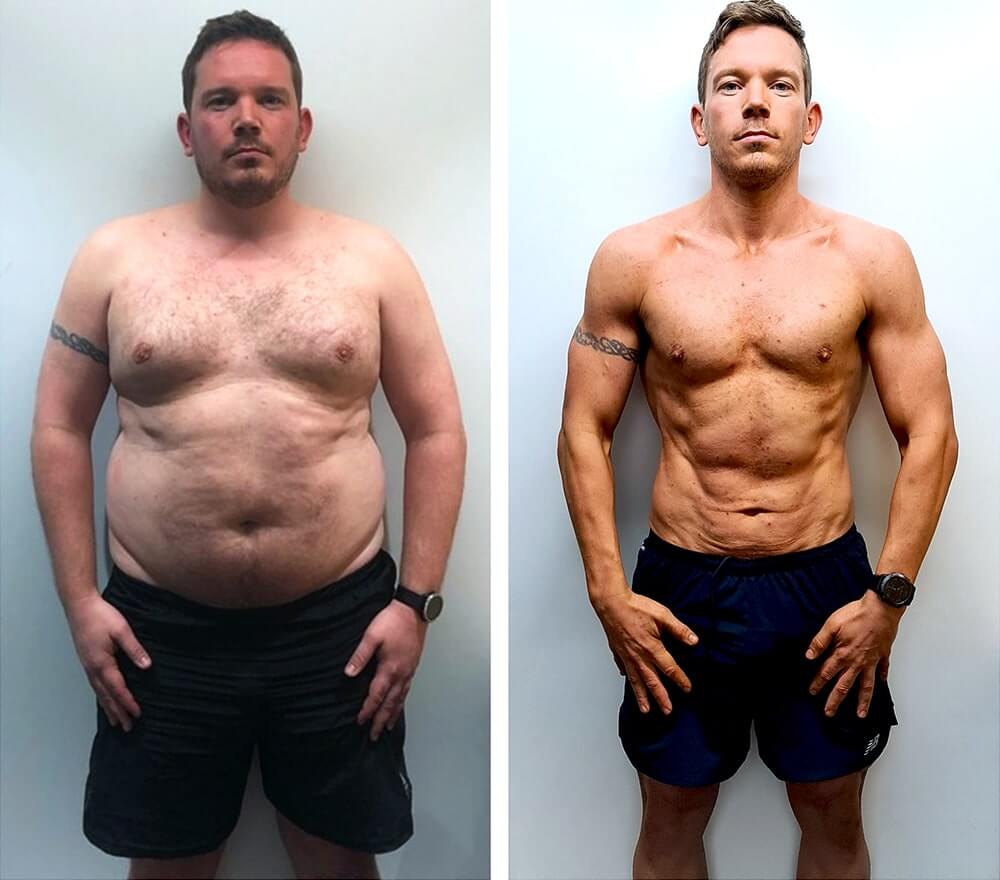
Keeping fat off can be relentless if genetics aren’t in your favor. Some lose fat quickly, others more slowly, and for some, fat persists in specific areas.
Bodybuilders often go through periods of gaining weight to build muscle, followed by cutting to lose fat. While the goal is muscle growth, gaining excess fat during bulking can hinder results.
Extended bulking phases can cause people to gain more fat than they realize, leaving them with more to lose later. This can result in extreme fat-loss efforts, muscle loss, or an unlean appearance.
I’ll explain why the body stores fat so easily, and why, once gained, it is often difficult to lose.
How Your Fat Cells Work/Grow
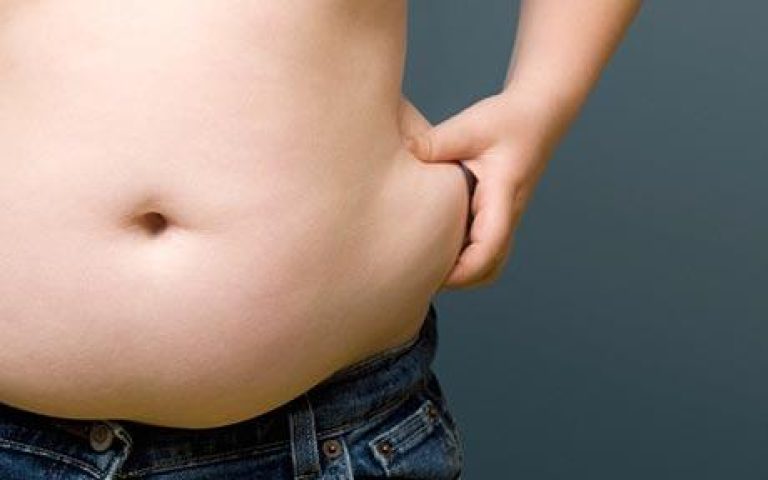
Your fat cells in your body are designed for one purpose, and that’s for the storage of excess energy that can be used at a later time. The fatty acids you consume from your foods are stored in complex lipid chains called triglycerides, which are later stored in fat cells, also known as adipose tissue.
As more triglycerides are stored in adipose tissue, the cell continues to expand until it reaches its storage capacity. At this point, the cell will divide and remain in storage until it’s no longer required.
At birth, each of us has about 5 billion fat cells. By adulthood, the average person has 25–30 billion fat cells.
When fat cells reach their maximum capacity, they seek additional storage by converting other stem cells into fat cells. Fat cells do this by sending signals to stem cells to change them to “pre-adipocyte cells”, another term for a fat cell.
The key issue is that once fat cells are formed, the body retains them permanently. Although many believe liposuction or surgery removes fat cells completely, studies have shown this is not the case.
Downsides of Fat in the Body
Gaining muscle usually leads to some fat gain. Problems arise when bulking leads to unnecessary fat gain.
According to the University of Michigan findings, the molecule spfr5 contributes to pathways involved in fat cell growth. The study showed that individuals with more fat cells had higher spfr5 levels, supporting the idea that external factors hinder weight loss in obese individuals.
Another well-known contributing factor to obesity is leptin production in individuals. Leptin is one of the hormones responsible for appetite suppression, and when it’s released, it makes us want to put down the fork and stop eating.
Leptin is produced by fat cells, so you might expect heavier individuals to stop eating, but they don’t. People with more fat cells make more leptin and become resistant to it.
With leptin resistance also comes another common epidemic: insulin resistance. The body produces insulin in large spikes in response to raised glycemic levels in order to rush nutrients to the body’s cells.
Fatter individuals also produce too much of this much-needed hormone, which causes a host of other problems besides the compounded effects of weight gain.
From this, we conclude that gaining more fat isn’t worth the short-term gratification of “looking bigger,” given the long-term health problems and permanent increase in fat cells.
The Wrap Up
Once your body stores excess fat and creates new cells, those cells remain permanently. Although you can burn fat and lose weight at any time, your body remains more prone to storing fat, making weight loss more difficult. This pattern compounds over time: the longer you lack dietary discipline, the harder it becomes to reverse. Many never understand this and permanently compromise their physiques by ignoring these principles.